The best electric SUVs with advanced technology to buy in Spain in 2026
 Dani Montesinos
28 April 2026
8 min.
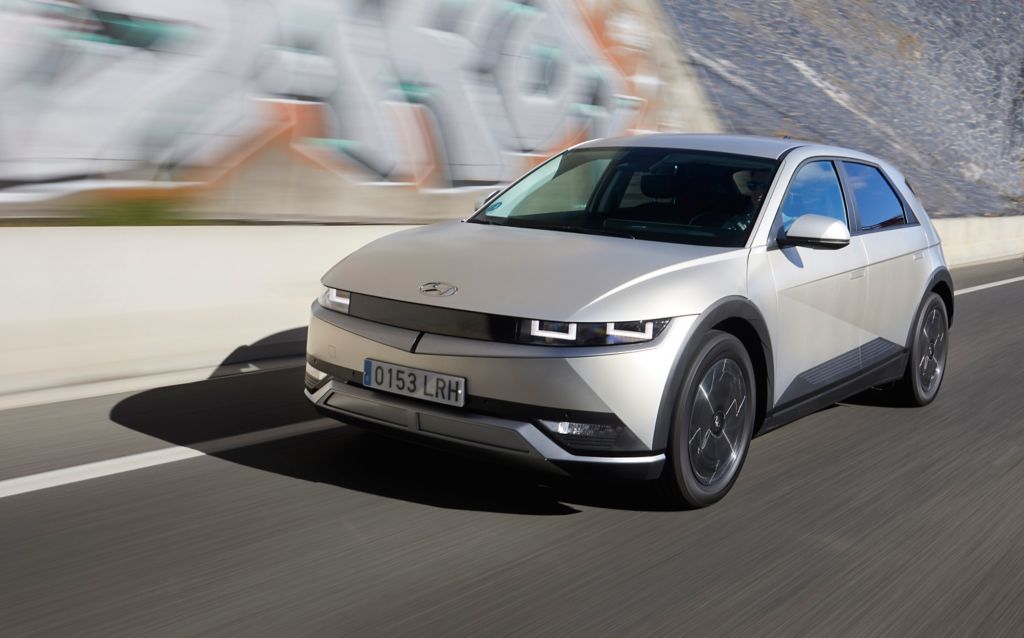
If you are thinking about getting a fully electric SUV, we propose five models that combine a great deal of technology
Electric SUVs 2026 that integrate state-of-the-art multimedia systems, advanced driver-assistance features and permanent connectivity are now the benchmark for anyone looking for a spacious SUV with sufficient range for trips and everyday use. In 2025 the market continued its shift towards SUVs: according to ANFAC, SUVs accounted for more than 55% of the market in 2025. That momentum has brought models with larger screens, OTA updates, more precise driver-assistance systems and an electric architecture optimised to deliver real-world range and fast charging.
The segment combines mid-size dimensions with technical solutions designed for families and tech-savvy users. Buyers look for three things: real-world range on the WLTP cycle, compatible charging infrastructure and assistance systems that reduce fatigue on long journeys. The average price of electric SUVs with advanced equipment in Spain is around 50,000 €, although there are offers from the 40,000 € range for basic versions. The dominant trends in 2025 have been the standardisation of large-format central screens, customisable digital instrument clusters, and ADAS packages that include assisted driving on motorways.
If you are looking for an SUV with good range, the best options are usually next-generation electrics with high-density batteries and efficient thermal management; for those who prioritise technology, it is worth looking at connectivity and OTA updates; and if your goal is cost per kilometre, models with higher kWh/100 km efficiency and real-world fast-charging speed on the road make the difference.
What a car needs for this purpose — Electric SUVs 2026
A good electric SUV focused on advanced technology and real-world use must offer, at a minimum: a WLTP range exceeding 400 km in the representative version, a DC charging system that allows recovering more than 20% of the battery in 15–20 minutes, and driver aids including adaptive cruise control with lane centring and automatic braking in urban manoeuvres.
There are also practical factors: interior space and modularity, compatibility with public CCS stations, and an electric platform that allows OTA updates. At the same time, it is worth understanding how other powertrains compare: petrol, diesel, hybrid and plug-in hybrid (PHEV) still make sense for certain uses, but electric is the most coherent option if your priorities are technology, ZERO label and low cost per kilometre.
Model selection
Tesla Model Y
Why it is a good choice
• Software integration and continuous OTA updates.
• Supercharger network and real-world efficiency on motorways.
• Interior space and boot capacity competitive in its segment.
Ideal if you are looking for
Buyer profile: someone who prioritises range and charging ecosystem, and values a platform with numerous assistance and connectivity features.
| Data | Value |
|---|---|
| Powertrain | Electric |
| Environmental label | ZERO |
| Power | 256 CV |
| Range | 657 km WLTP |
| Consumption | 12.7 kWh/100 km |
| Price from | 40,970 € |
Hyundai Ioniq 5
Why it is a good choice
• E-GMP platform offering ultra-fast charging and good thermal management.
• Spacious interior and multimedia systems with good connectivity.
• Variants with an excellent range/price ratio.
Ideal if you are looking for
Buyer profile: family that wants comfort, fast charging and a modern multimedia interface.
| Data | Value |
|---|---|
| Powertrain | Electric |
| Environmental label | ZERO |
| Power | 170 CV |
| Range | 481 km WLTP |
| Consumption | 15.5 kWh/100 km |
| Price from | 30,985 € |
Kia EV6
Why it is a good choice
• Superior driving dynamics in its segment and E-GMP platform.
• Very complete infotainment and driver-assistance systems.
• Good motorway range and realistic fast charging.
Ideal if you are looking for
Buyer profile: driver who wants dynamic response, good technological equipment and long ranges.
| Data | Value |
|---|---|
| Powertrain | Electric |
| Environmental label | ZERO |
| Power | 170 CV |
| Range | 428 km WLTP |
| Consumption | 16.4 kWh/100 km |
| Price from | 40,230 € |
Changan Deepal S07
Why it is a good choice
• Aggressive technology offer: large screens, connectivity packages and advanced assistants at a competitive price.
• Aimed at users looking for a lot of technology for their money.
• Design and solutions focused on comfort and urban assistance.
Ideal if you are looking for
Buyer profile: someone who prioritises multimedia systems and driver aids in a package with good range for daily use and regional journeys.
| Data | Value |
|---|---|
| Powertrain | Electric |
| Environmental label | ZERO |
| Power | 217 CV |
| Range | 475 km WLTP |
| Consumption | 15.8 kWh/100 km |
| Price from | Coming soon |
Volvo EX40
Why it is a good choice
• Focus on active safety and driving assistance with good European tuning.
• Quality construction and materials, with software that integrates services and connectivity.
• Good balance between performance and comfort.
Ideal if you are looking for
Buyer profile: someone who values safety, understated finishes and assistants for motorway and city driving.
| Data | Value |
|---|---|
| Powertrain | Electric |
| Environmental label | ZERO |
| Power | 408 CV |
| Range | 538 km WLTP |
| Consumption | 17.6 kWh/100 km |
| Price from | 46,950 € |
Which car to choose according to your case
If you drive a lot in the city
Prioritise urban efficiency, manoeuvrability and parking assistants. A compact electric SUV with good energy regeneration and parking sensors will make life easier. Models such as the Hyundai Ioniq 5 or more compact alternatives offer a balance between size and technology.
If you do a lot of kilometres
Look for high WLTP range, good kWh/100 km efficiency and a reliable charging network. In this case the Tesla Model Y and the Kia EV6 stand out for their real-world range and fast-charging capabilities.
If you want to save
Check real consumption and charging cost: models with efficiency below 16 kWh/100 km offer lower running costs. The Hyundai Ioniq 5 and the Kia EV6 are benchmarks in terms of cost per kilometre.
If you want technology
Consider screens, OTA connectivity, assistants and safety systems. The Changan Deepal S07 offers a very complete technology package for those looking for equipment at the best price, while Volvo and Tesla offer more mature solutions in ADAS and safety.
Interesting alternatives within the same budget
If your budget is around 40,000–55,000 €, also consider the Hyundai Kona Electric for city and short trips, the Volkswagen ID.4 as a balanced alternative, and the BMW iX1 if you want a compact premium proposal. Models such as the Mercedes EQA or the Volvo XC40 Recharge are also valid options depending on equipment and brand preferences.
FAQ – FREQUENTLY ASKED QUESTIONS
What WLTP range do I need for frequent motorway trips?
For frequent long journeys, look for at least 450–500 km WLTP in the version you are considering; that will give you a margin for real-world routes of 300–350 km between charges in mixed conditions.
How does technology affect the depreciation of an electric SUV?
Technology can mitigate depreciation if it includes OTA updates and safety systems demanded by used-car buyers; however, battery wear is the key factor.
Is it better to choose an SUV with more range or with faster charging?
If you make long trips frequently, prioritise range. If you usually charge on the road and have access to fast chargers, charging speed can make up for a smaller battery.
Which powertrain is most recommended to reduce cost per kilometre?
Among current options, electric offers the lowest cost per kilometre when there is regular access to efficient charging; hybrids and PHEVs may be suitable if your use combines city and road driving with little charging infrastructure.
Do all electric models have the ZERO label?
Yes. The fully electric models featured in this guide carry the DGT ZERO label, which makes access to low-emission zones and benefits in many cities easier.
Expert opinion
Beyond the official figures, the choice depends on real use and the buyer’s priorities. If your driving is mixed and you cover many kilometres a year, opting for a model with a good balance between WLTP range and real efficiency — such as the Tesla Model Y or the Kia EV6 — is usually the best decision. For those who value technology in the cabin and a complete digital experience at a lower cost, the Changan Deepal S07 offers a very competitive equipment/price ratio. If safety and finish are the priority, brands such as Volvo EX40 provide very refined ADAS and materials solutions.
Budget will determine the choice: around 40,000 € you can find solid, well-equipped options; if you move up to the 50–60,000 € bracket you get greater range and more mature technology. For intensive urban journeys, a compact SUV with good regeneration and parking assistants will be more practical than a large one.
Finally, not all electric SUVs 2026 offer the same balance between range, technology and running costs. Before deciding, compare WLTP results and real consumption, check the real charging speed at public charging points, and assess OTA updates and manufacturer support in Spain. These criteria are what, in practice, determine whether an electric SUV meets expectations after several years of use.


 The seven finalists for the 2027 European Car of the Year (COTY) are exclusively electric
 Peugeot E-208 GTi: a battery-powered toy that revives the spirit of the 1980s sports cars
 New Lexus ES: luxury grows and goes electric
Deja un comentario