2026 Ranking: The 5 SUVs with the most competitive prices according to their use and equipment
 Dani Montesinos
15 April 2026
7 min.
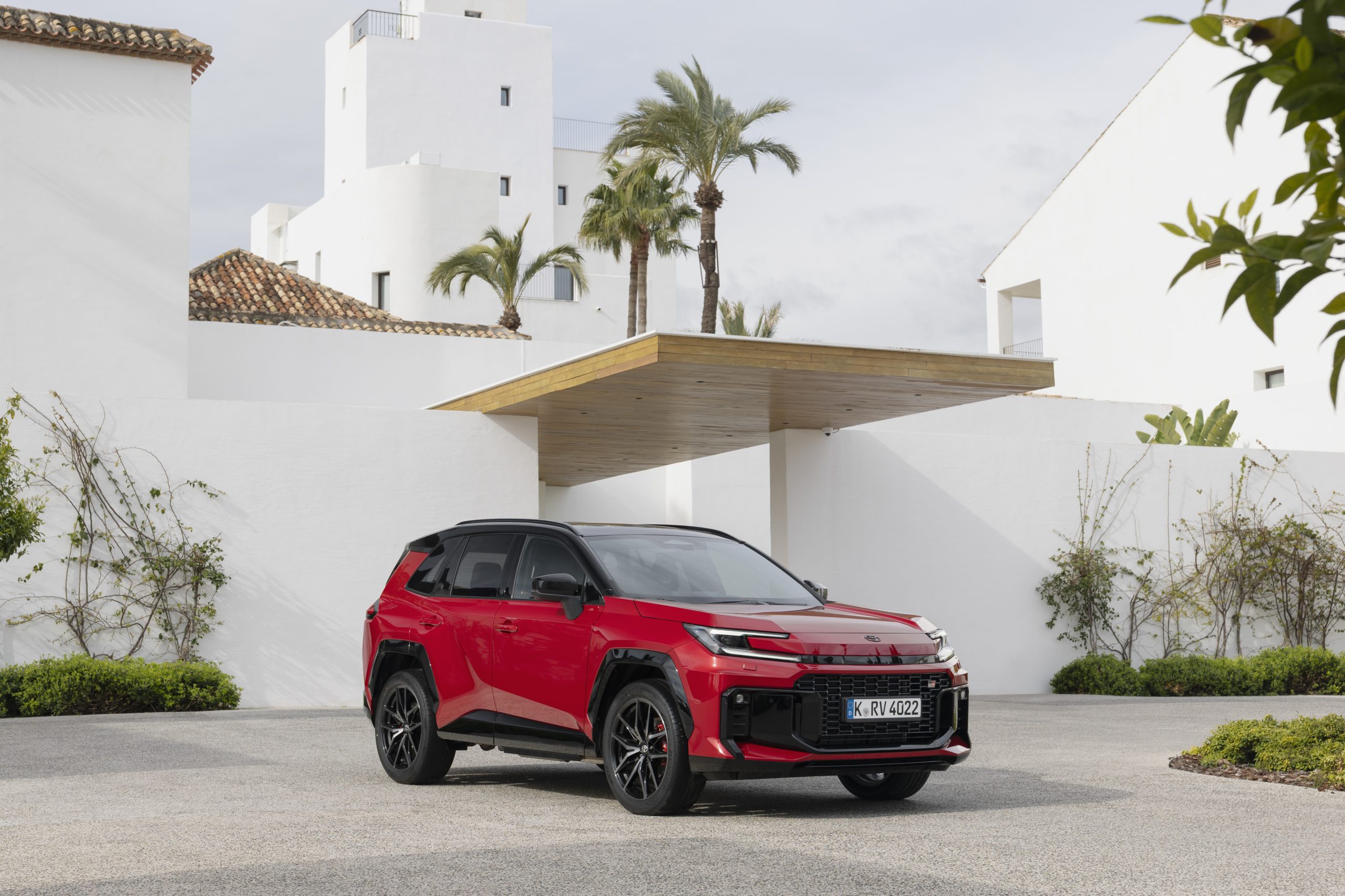
We present five SUVs that may be worth considering as an alternative and that offer a strong balance between price, equipment and everyday use
The SUV market in 2026 continues to show a mix of subtle changes and consolidation: manufacturers have adjusted prices and equipment to meet a demand that seeks efficiency and practicality without giving up safety or technology. In this list you will find five SUVs that, thanks to their balance between entry price, equipment level and realistic everyday use, offer outstanding value for money. The selection covers alternatives for different needs—city, family, travel—and different technical approaches, from efficient combustion engines to hybrid solutions, with clear differences in running costs and market positioning.
Who is this ranking for?
This ranking is based on market data, official specifications and published road tests. It is intended for anyone who needs to prioritise value for money when choosing an SUV in 2026, focusing on the real entry price and on what the vehicle offers in terms of equipment, safety and running costs.
If you drive many kilometres and value efficiency, this list will help you rule out options with high consumption. If you want to spend less every day, you will find models with a good balance between price and equipment. If you are looking for a family SUV without paying for unnecessary extras, the selected alternatives show how value is distributed between finish, technology and operating costs.
What details have we analysed?
We considered market positioning, official technical data (power and homologation figures), consumption and WLTP range where applicable, dimensions and practical capacity for family use, and price/technical approach ratio. We also weighted standard safety equipment and the estimated total cost of use according to each model’s mechanical architecture.
Ranking of the 5 SUVs with the best price/value ratio in 2026
Toyota RAV4 (from €43,500*)
Indicative price before applying public aid or the brand’s commercial discounts.
Why it’s here: The RAV4 combines a well-established hybrid proposition with a high level of safety equipment and moderate running costs. Its hybrid architecture offers efficiency in mixed use and maintenance that is well known in the European market.
Ideal for: Drivers looking for an efficient family SUV with a proven reliability record.
Pros:
- Hybrid system optimised for urban and mixed consumption.
- Extensive safety equipment in entry trims.
- Wide and established after-sales network.
Cons:
- Entry price higher than some rivals in the C segment.
- Design and dynamics less focused on sporty driving.
Hyundai Tucson (from €28,275*)
Indicative price before applying public aid or the brand’s commercial discounts.
Why it’s here: The Tucson offers a combination of competitive entry cost, a diverse range of engines and a good technology equipment package in base versions. Its price/equipment ratio makes it attractive compared with alternatives in the same segment.
Ideal for: Buyers looking for modern equipment without pushing up the entry price too much.
Pros:
- Good technology provision in the initial trims.
- Variety of engines to suit consumption and performance needs.
- Attractive commercial warranty in many markets.
Cons:
- Some higher trims quickly raise the final price.
- Plastic finishes in certain interior trims at lower levels.
Volkswagen T‑Roc (from €29,600*)
Indicative price before applying public aid or the brand’s commercial discounts.
Why it’s here: The T‑Roc stands out for its balance between urban size and interior space, with a platform that supports efficient engines and easy handling. Its positioning usually offers a contained entry cost for buyers who value brand and practicality.
Ideal for: Urban users who need versatility and low running costs.
Pros:
- Compact size and good manoeuvrability in town.
- Finishes and a sense of robustness in line with the brand.
- Wide range of adaptable engines.
Cons:
- Relevant equipment may be available only as paid options.
- Boot space somewhat tight compared with some C-segment rivals.
Kia Sportage (from €29,270*)
Indicative price before applying public aid or the brand’s commercial discounts.
Why it’s here: The Sportage offers a balanced proposition between updated design, engine efficiency and a broad equipment package. Kia maintains a value policy that favours the total cost of ownership in the first years.
Ideal for: Buyers looking for commercial warranty and good equipment for the price.
Pros:
- Competitive standard equipment in entry trims.
- Warranty policy that reduces ownership risks.
- Functional and comfortable interior design for the family.
Cons:
- Consumption in more powerful versions can be above average.
- Some options considerably increase the final price.
Peugeot 3008 (from €31,580*)
Indicative price before applying public aid or the brand’s commercial discounts.
Why it’s here: The 3008 maintains a balance between distinctive interior design and a mechanical offer that favours efficiency and comfort. Its position usually suits buyers who value finish and driving experience in exchange for a mid-level entry price.
Ideal for: Those who prioritise comfort and interior presentation for travel and daily use.
Pros:
- Interior focused on comfort and refined presentation.
- Efficient configurations for mixed and long-distance use.
- Ride behaviour geared towards comfort.
Cons:
- Entry price somewhat higher than some more basic rivals.
- Engine and equipment options inflate the final cost.
The prices shown in this ranking are indicative, before applying public aid or the brand’s commercial discounts.
Technical comparison
| Model | Range | Power | Consumption | Top speed | Price (€*) |
|---|---|---|---|---|---|
| Toyota RAV4 | around 1,000 km | 183 CV | WLTP combined: 5.5 l/100 km | 180 km/h | 43,500 |
| Hyundai Tucson | around 800 km | 150 CV | WLTP combined: 7.1 l/100 km | 186 km/h | 28,275 |
| Volkswagen T‑Roc | around 900 km | 116 CV | WLTP combined: 5.5 l/100 km | 196 km/h | 29,600 |
| Kia Sportage | around 800 km | 150 CV | WLTP combined: 7.1 l/100 km | 186 km/h | 29,270 |
| Peugeot 3008 | around 900 km | 145 CV | WLTP combined: 5.3 l/100 km | 200 km/h | 31,580 |
These data are official and taken from the brands’ official websites.
FAQ · The 5 questions everyone asks
Why prioritise the price/value ratio in 2026?
Because the total cost of ownership and standard equipment make the difference between a good and a bad deal. A vehicle with more equipment and lower consumption can offset a slightly higher initial price within a few years.
How does the engine affect value for money?
Efficient engines usually reduce running costs, especially if you drive many kilometres each day. Choosing a version with moderate power but optimised consumption usually improves the value/price ratio.
Is it better to buy the highest equipment level or save on the entry version?
It depends: spending more on options does not always pay off. It is worth comparing what the entry version includes and which elements are essential for your regular use before paying for extras.
Does the brand influence resale and long-term value?
Yes: brands with a good after-sales network and a reputation for reliability tend to hold their value better. If you plan to sell within a few years, market demand is a practical criterion to consider.
How should energy costs be weighed against the purchase price?
If you drive many kilometres, the cost per kilometre and real efficiency matter more than nominal power. Prioritise consumption and efficiency in your calculations if use will be intensive.
Expert conclusion
This 2026 ranking shows how, in the SUV segment, the balance between entry price, equipment and running costs defines the true value for the buyer. It means that the cheapest model does not always win: the winner is the one that combines a reasonable entry price with useful safety and efficiency features that reduce future expenses.
If you want to stretch your money, first look at the real entry price and what comes as standard. If you prefer to play it safe, consider models with strong market demand and a good after-sales network. And if you drive many kilometres, energy cost and efficiency matter more than the power figure. If you won’t charge often, don’t buy from the brochure: buy for your routine.


 Peugeot E-208 GTi: a battery-powered toy that revives the spirit of the 1980s sports cars
 New Lexus ES: luxury grows and goes electric
 First contact with the Dacia Sandero Hybrid 155: power and efficiency from €19,890
Deja un comentario