2026 Ranking: The 5 Urban Electric SUVs with the Most Efficient Fast Charging on the Spanish Market
 Iván Navarro
8 August 2026
5 min.
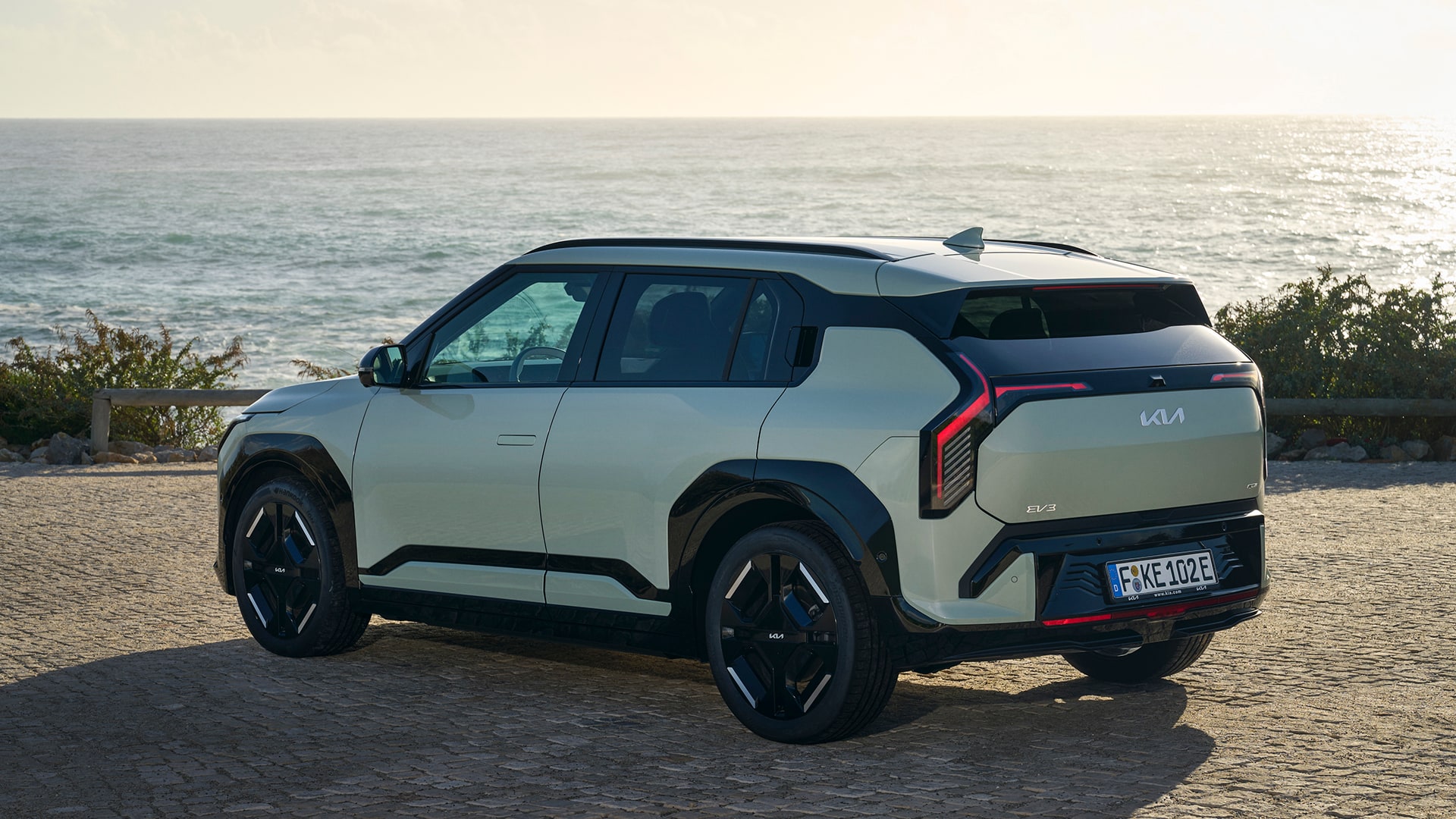
We analyse the five urban electric SUVs sold in Spain that offer the most efficient DC charging in 2026, with data on peak kW, 10-80% charging times and WLTP range.
Fast charging has stopped being an accessory selling point and has become the true measure of maturity for an urban electric vehicle. In the B-SUV segment, where the buyer wants a car for everyday use that doesn’t tie them to the garage when a long trip comes up, the peak DC power and, above all, the sustained charging curve make the difference between arriving at the destination with room to spare or living glued to an app. We have surveyed the Spanish market for 2026 to identify which urban electric SUVs with fast charging offer today the best balance between peak kW, 10-80% time and real WLTP range.
Why does fast charging define the urban electric SUV of 2026?
The average B-SUV electric buyer covers between 40 and 60 km a day, but expects the car to handle a Madrid-Valencia trip without penalties. This is where the DC charging power of an electric SUV comes in: a marketing peak of 100 kW is no longer enough if the curve drops sharply at 50% battery. The manufacturers that have best worked on thermal management and 400 V architecture (and even some flirtation with 800 V in this segment) are the ones redefining the ranking this year.
How did we measure?: peak kW, 10-80% window and WLTP range
To build this ranking of urban electric SUVs we prioritised three variables: homologated peak DC power, the real time to go from 10 to 80% charge at an HPC charger of 150 kW or higher, and combined WLTP range. To these we add average homologated consumption and compatibility with the Iberian ultra-rapid charging network.
The context: fast charging network in Spain in 2026
In 2025 Spain surpassed 45,000 operational charging points, with HPC corridors consolidated by Iberdrola, Repsol, Zunder, Ionity and Tesla Supercharger (now open to third parties). The bottleneck is no longer the infrastructure, but the car’s own capacity to take advantage of it.
1. Kia EV3 Long Range — from €39,990
The Kia EV3 has been the great surprise of the segment. Despite using a 400 V architecture (not the 800 V of the EV6), Kia has squeezed the charging curve up to 128 kW peak and, most relevantly, maintains a wide plateau that allows the 10-80% charge to be completed in 29 minutes. Its WLTP range of 605 km in the Long Range version makes it the absolute reference.
| Power kW | Power CV | Top speed | WLTP range | Consumption | Label | |
|---|---|---|---|---|---|---|
| 150 kW | 204 CV | 170 km/h | 605 km | 14.9 kWh/100 km | Zero | Electric |
2. Volvo EX30 Twin Motor Performance — from €41,190
The Volvo EX30 is the most compact of the group and one of the most surprising in efficiency. It accepts up to 153 kW DC and completes the 10-80% window in 26.5 minutes, thanks to a well-cooled 69 kWh NMC battery. Its minimalist Scandinavian design and commitment to recycled materials make it the most aspirational urban SUV in the ranking.
| Power kW | Power CV | Top speed | WLTP range | Consumption | Label | Fuel |
|---|---|---|---|---|---|---|
| 315 kW | 428 CV | 180 km/h | 450 km | 17.5 kWh/100 km | Zero | Electric |
3. Hyundai Kona Electric 65 kWh — from €38,250
The second-generation Hyundai Kona Electric has refined the charging curve compared with the previous model. Its peak of 102 kW DC seems modest, but its consistency up to 70% allows it to achieve a 10-80% charge in 41 minutes. In return it offers the best interior space of the group and a WLTP range of 514 km.
| Power kW | Power CV | Top speed | WLTP range | Consumption | Label | Fuel |
|---|---|---|---|---|---|---|
| 160 kW | 218 CV | 172 km/h | 514 km | 14.7 kWh/100 km | Zero | Electric |
4. Peugeot e-2008 GT 54 kWh — from €37,900
The Peugeot e-2008, refreshed by Stellantis, has updated its e-CMP2 platform with a 54 kWh battery and DC charging at 100 kW. It completes the 10-80% cycle in 30 minutes, a respectable figure for a battery of contained capacity. Its WLTP range rises to 406 km, enough for urban-interurban use without surprises.
| Power kW | Power CV | Top speed | WLTP range | Consumption | Label | Fuel |
|---|---|---|---|---|---|---|
| 115 kW | 156 CV | 150 km/h | 406 km | 15.3 kWh/100 km | Zero | Electric |
5. Jeep Avenger Electric Summit — from €37,500
The Jeep Avenger Electric shares its technical base with the e-2008 but has developed its charging software in a distinct way. It accepts 100 kW DC and achieves a 10-80% charge in 27 minutes — the best of the Stellantis trio — thanks to more aggressive thermal management. WLTP range of 400 km and the adventurous image that Jeep continues to sell well.
| Power kW | Power CV | Top speed | WLTP range | Consumption | Label | Fuel |
|---|---|---|---|---|---|---|
| 115 kW | 156 CV | 150 km/h | 400 km | 15.4 kWh/100 km | Zero | Electric |
Summary table: comparison and overall score
| Model | Peak DC kW | 10-80% | WLTP range | Consumption | Price from | Score /10 |
|---|---|---|---|---|---|---|
| Kia EV3 Long Range | 128 kW | 29 min | 605 km | 14.9 kWh | €39,990 | 9.4 |
| Volvo EX30 Twin | 153 kW | 26.5 min | 450 km | 17.5 kWh | €41,190 | 9.1 |
| Hyundai Kona Electric 65 | 102 kW | 41 min | 514 km | 14.7 kWh | €38,250 | 8.3 |
| Jeep Avenger Electric | 100 kW | 27 min | 400 km | 15.4 kWh | €37,500 | 8.0 |
| Peugeot e-2008 GT | 100 kW | 30 min | 406 km | 15.3 kWh | €37,900 | 7.7 |
Highmotor verdict: balance beats peak
The Kia EV3 takes the 2026 ranking because it combines the best range in the segment with an exemplary charging curve for a 400 V architecture. The Volvo EX30 is the king if we look only at the charging stopwatch, but its limited range penalises it on long trips. The Stellantis models close the ranking with solid approaches for primarily urban use.
Frequently asked questions
Which urban electric SUV charges fastest in Spain in 2026?
The Volvo EX30 Twin Motor Performance, with a peak of 153 kW DC and a 10-80% window of 26.5 minutes, is the fastest in absolute terms. The Kia EV3 follows very closely with a superior balance between charging and range.
How many minutes does an urban electric SUV actually take to charge from 10 to 80%?
Between 26 and 41 minutes at an HPC charger of 150 kW or higher, depending on the model. Under 30 minutes are the Volvo EX30, the Jeep Avenger and the Kia EV3.
Is the fast charging network in Spain sufficient to use an urban electric SUV on long trips?
Yes. With more than 45,000 operational points and HPC corridors consolidated by Iberdrola, Zunder, Ionity, Repsol and Tesla Supercharger, the main peninsular routes are covered with chargers of 150 kW or more every 50-80 km.
Is it worth paying more for an electric SUV with 800 V architecture in the urban segment?
In this segment there is still no purely urban B-SUV with 800 V at a competitive price. Good thermal management over 400 V, such as that of the Kia EV3 or the Volvo EX30, delivers results very close to those of a considerably more expensive option.


 Peugeot E-208 GTi: a battery-powered toy that revives the spirit of the 1980s sports cars
 New Lexus ES: luxury grows and goes electric
 First contact with the Dacia Sandero Hybrid 155: power and efficiency from €19,890
Deja un comentario