Electric Cars Comparisons Tests
BMW iX3 vs Polestar 3: premium pulse for the most technological and refined electric SUV
 Iván Navarro
2 July 2026
5 min.
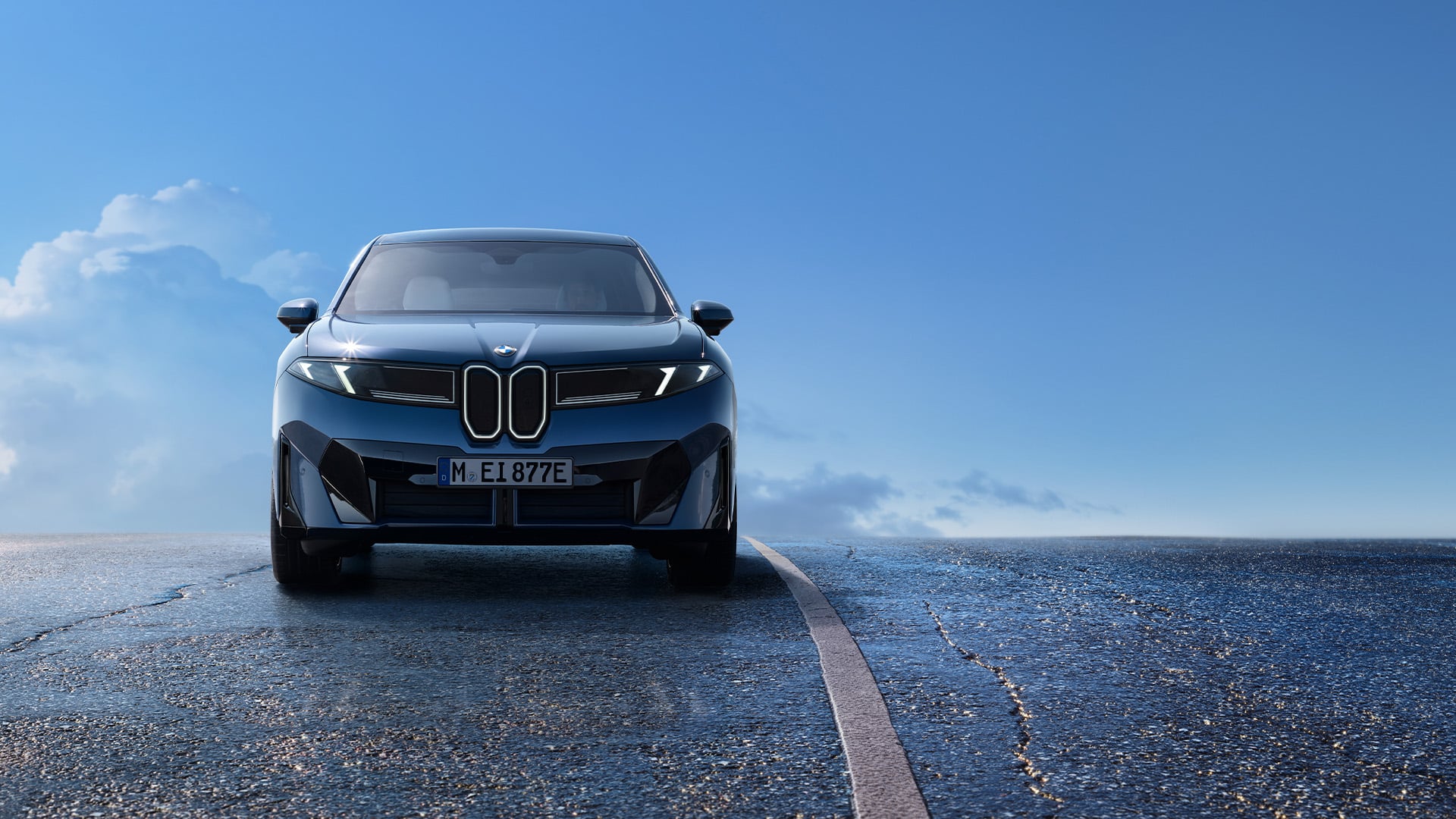
We compare the new BMW iX3 xDrive50 and the Polestar 3 Long Range Performance to find out which is the most balanced premium electric SUV on the Spanish market in 2025.
The premium electric SUV segment is going through one of its most interesting moments. On one side, a German manufacturer with more than a century of history is completely reinventing its most important electric model. On the other, a young but technologically ambitious Nordic brand that has turned Scandinavian minimalism into a selling point. The comparison between the BMW iX3 and the Polestar 3 is, in reality, a duel between two philosophies: the obsessive efficiency of Munich versus the performance hedonism of Gothenburg.
Two philosophies of the premium electric SUV
The new BMW iX3, debuting on the Neue Klasse platform, is the model that opens a new era for the Bavarian brand. Its declared priority is energy efficiency, with an 800-volt architecture, sixth-generation cylindrical cells and a thermal management system designed to squeeze every kilowatt-hour. The Polestar 3, for its part, positions itself as a high-performance SUV coupé, with sophisticated finishes, traceable materials and dynamic tuning developed with the usual rigour of the Swedish house.
We are not talking about identical rivals, but about two visions of what a premium electric SUV should be today: one prioritises real-world range and everyday use, the other driving sensations and visual status.
BMW iX3 xDrive50 from ≈69,900 €: efficiency elevated to an art
The BMW iX3 2025 arrives with the xDrive50 version as its flagship. Its combined output of 470 CV is split between two synchronous motors, propelling the SUV with the brand’s characteristic composure. But the figure that defines the car is not the power, but the 790 km of WLTP range, a groundbreaking value in the segment thanks to the 113.5 kWh battery and meticulously refined aerodynamics.
The interior debuts the Panoramic iDrive, with information projected across the entire base of the windscreen, and a redesigned central screen. Extended level 2+ semi-autonomous driving and bidirectional energy management complete a truly cutting-edge technology package.
| Power kW | Power CV | Top speed | Range | Consumption | Label | Fuel |
|---|---|---|---|---|---|---|
| 350 kW | 470 CV | 210 km/h | ≈790 km WLTP | ≈15.1 kWh/100 km | CERO | Electric |
Polestar 3 Long Range Performance from ≈104,300 €: performance with a Nordic accent
The Polestar 3 Long Range Dual Motor with Performance pack goes for a different terrain. Its 520 CV place it close to a pure sports car, with all-wheel drive managed by two motors and a chassis with adaptive damping. The result is a SUV coupé with lively responses, precise steering and a visual presence supported by details such as the Thor’s Hammer light signature inherited from its origins.
It is homologated for 560 km of WLTP range, a figure conditioned by its performance focus, its large wheels and the tuning of the Performance pack. The 111 kWh battery is practically comparable to the iX3’s, but consumption is noticeably higher.
Inside, it breathes Scandinavian minimalism: a vertical central screen with native Android Automotive, traceable recycled materials and a Bowers & Wilkins audio system with headrest speakers.
| Power kW | Power CV | Top speed | Range | Consumption | Label | Fuel |
|---|---|---|---|---|---|---|
| 380 kW | 520 CV | 210 km/h | 560 km WLTP | ≈19.5 kWh/100 km | CERO | Electric |
Range and efficiency: the great gap
Here lies the decisive gap. The range of BMW’s electric SUV is clearly superior to that of the Polestar in its Performance version. Although in less extreme versions the difference may be smaller. The comparison between the xDrive50 and the Performance shows each one’s approach: BMW has prioritised kilometres; Polestar has prioritised tenths.
Price and value: just over 40,000 € of difference
The BMW iX3 price starts at approximately 69,900 €, while the Polestar 3 price in Performance configuration starts above 110,300 €. It is a difference that places each one in a different budget league and tilts the rational balance towards Munich. We remind you that these are manufacturer’s recommended RRPs, without offers, dealer discounts, one-off campaigns or aid.
Comparison table: which premium electric SUV to buy
| Model | Power | WLTP range | Battery | Price from | Efficiency (1-10) | Performance (1-10) | Value (1-10) | Overall score |
|---|---|---|---|---|---|---|---|---|
| BMW iX3 xDrive50 | 470 CV | ≈790 km | 113.5 kWh | ≈69,900 € | 10 | 8 | 9 | 9.0 |
| Polestar 3 LR Performance | 520 CV | ≈560 km | 111 kWh | ≈110,300 € | 6 | 10 | 6 | 7.3 |
Verdict: the best premium electric SUV for Spain
As the best premium electric SUV from a rational standpoint, the BMW iX3 emphatically dominates this premium electric SUV comparison: more range, better efficiency and a much more restrained price. The Polestar 3 justifies its premium if you value design, pure performance and a distinctive aesthetic identity that no German rival offers today.
FAQ
Which has more real-world range, the BMW iX3 or the Polestar 3?
The BMW iX3 xDrive50 clearly outperforms the Polestar 3 Performance, with 790 km WLTP versus 560 km for the Swedish model in its most powerful version.
Is it worth paying 40,000 € more for the Polestar 3?
Only if you prioritise performance, Scandinavian design and exclusivity. Rationally, the iX3 offers more car for less money.
Do both have the CERO label in Spain?
Yes, being 100% electric, both display the DGT CERO label.
Which charges faster?
The BMW iX3, thanks to its 800 V architecture, reaches peaks above 400 kW in fast charging, surpassing the Polestar 3 in charging speed.


 Peugeot E-208 GTi: a battery-powered toy that revives the spirit of the 1980s sports cars
 New Lexus ES: luxury grows and goes electric
 First contact with the Dacia Sandero Hybrid 155: power and efficiency from €19,890
Deja un comentario