BYD Dolphin Surf vs Citroën ë-C3: the affordable city EV battle in the Spanish market
 Dani Montesinos
9 June 2026
5 min.
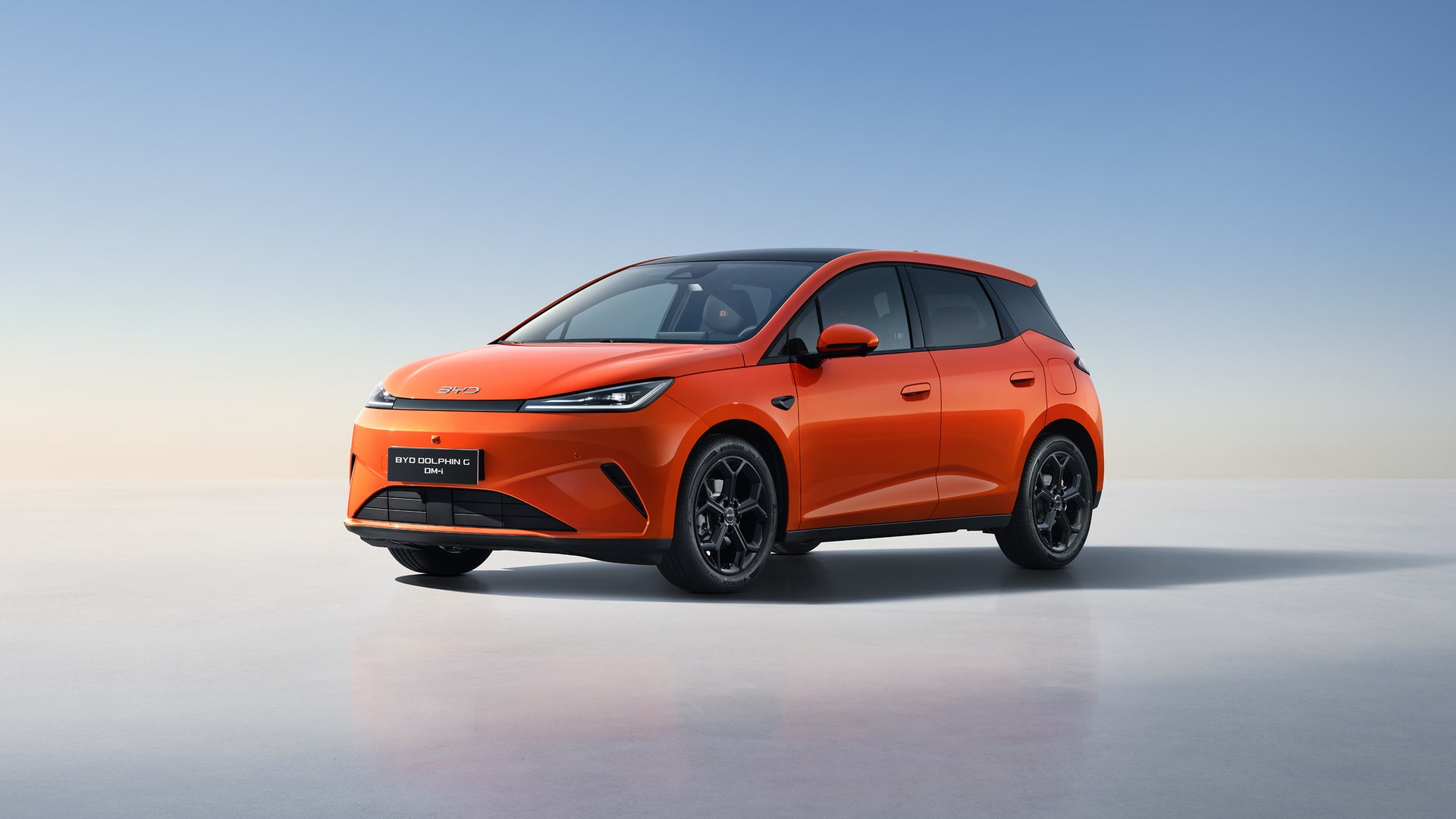
Head-to-head comparison of the BYD Dolphin Surf and the Citroën ë-C3, two affordable city EVs in Spain. We analyse price, range, performance and intended use.
The Spanish B-segment EV market is at a turning point. For years, affordable urban electric mobility was limited to a handful of token offerings, with the Dacia Spring standing alone as the entry-level benchmark. In 2026 the picture changes: two heavyweights, one Chinese and one French, have put on the table two radically different interpretations of what an affordable city EV should be. The BYD Dolphin Surf vs Citroën ë-C3 is not just another comparison: it is a snapshot of the new price threshold for electric cars in Europe.
Two philosophies for the same segment
The Dolphin Surf arrives as BYD’s price spearhead. It is the model with which BYD acknowledges that, to win over Europe, the technology pitch is not enough: the psychological barrier of 20,000 euros has to be broken. The ë-C3, for its part, embodies the European response: an EV built in Slovakia, carrying the Citroën badge and an approach to comfort the brand has spent decades refining.
The conceptual difference is clear. Where BYD bets on a lean battery and an aggressive price, Citroën offers more kilowatt-hours, more range and an approach that goes beyond strictly urban use.
BYD Dolphin Surf: the bold opener (from 19,990 €)
The Dolphin Surf sold in Spain features an electric motor of roughly 70 kW (around 90 CV) fed by a battery of about 32 kWh. With that setup it delivers a homologated range of close to 220 kilometres, enough for several days of city driving without touching a plug.
Its main selling point is price: it starts at a recommended retail price of 19,990 euros, making it one of the cheapest B-segment EVs on the Spanish market. Carefully styled bodywork, the e-Platform 3.0 architecture with Blade battery and surprisingly complete standard equipment for its class reinforce the argument.
| Power kW | Power CV | Top speed | Range | Consumption | Label | Fuel |
|---|---|---|---|---|---|---|
| 65 kW | 88 CV | 150 km/h | Between 220 and 322 km depending on version | 16.0 kWh/100 km | CERO | Electric |
Citroën ë-C3: the European answer (from 17,100 €)
The ë-C3 raises the stakes on almost every measurable parameter. An electric motor of roughly 80 kW (around 113 CV), an LFP battery of about 44 kWh and a homologated range of close to 311 kilometres. In other words, 45% more range and about 20 CV more than the Chinese rival.
In return, the price climbs to a starting recommended retail price of roughly 17,100 euros. The gap is around 2,890 euros, a difference worth considering but not an abyss when you weigh up the extra battery, performance and that Citroën DNA defined by progressive hydraulic bump stops and Advanced Comfort seats.
| Power kW | Power CV | Top speed | Range | Consumption | Label | Fuel |
|---|---|---|---|---|---|---|
| 83 kW | 113 CV | 132 km/h | 311 km | 17.3 kWh/100 km | CERO | Electric |
Range and real-world use: two customer profiles
The Citroën ë-C3 range of around 311 km makes it suitable for regular intercity trips. The Dolphin Surf, with its 220 km, is a pure city EV: ideal for the city and its outskirts, but it requires planning for longer distances.
Charging, performance and driving experience
On fast charging both sit at reasonable figures for the segment, without flourishes. The ë-C3 accepts peaks of around 100 kW DC; the Dolphin Surf lags somewhat behind, at around 65 kW. The difference matters when journeys get longer.
Dynamically, the French car offers a more settled and quieter ride, true to the brand’s tradition. The BYD plays the card of urban agility: shorter, lighter in feel and with a particularly competitive turning circle.
Comparison table and scoring
Below is a 1-to-10 rating per variable, designed for this comparison of urban electric cars:
| Model | Price (from) | Power | Range | Fast charging | Equipment | Comfort | Overall score |
|---|---|---|---|---|---|---|---|
| BYD Dolphin Surf | 19,990 € (7) | 88 CV (7) | From 220 km (6) | ≈65 kW (6) | 8 | 7 | 7.3 |
| Citroën ë-C3 | 17,100 € (7) | 113 CV (8) | 311 km (8) | ≈100 kW (8) | 8 | 9 | 8.0 |
Verdict: which is the best city EV of 2026?
If the absolute priority is the BYD Dolphin Surf price and use is strictly urban, the Chinese car has no rival in Spain today: it is the cheapest entry point into the B-segment electric car. If the buyer wants a versatile EV with more range and benchmark comfort, the ë-C3 more than justifies its price and positions itself as the best city EV of 2026 for anyone who does not want to give up leaving the city.
Note: all prices mentioned are manufacturer recommended retail prices, without taking into account dealer discounts, commercial campaigns or purchase aid such as the Plan MOVES.
Frequently asked questions
What is the cheapest city EV in Spain in 2026?
The BYD Dolphin Surf, with a starting recommended retail price of roughly 20,000 euros, is currently the most affordable B-segment EV sold in Spain, below even the Citroën ë-C3 and as a direct alternative to the Dacia Spring with better performance.
What real-world range does the Citroën ë-C3 offer?
The Citroën ë-C3’s homologated WLTP range is around 311 km thanks to its LFP battery of approximately 44 kWh. In real mixed use, owners typically achieve between 240 and 280 km depending on conditions and driving style.
Is the Citroën ë-C3 worth it over the BYD Dolphin Surf?
It depends on use. The difference of a few euros translates into 45% more range, more power, faster fast charging and Citroën’s characteristic comfort. For mixed urban-intercity use it pays off; for 100% city use, the BYD offers more car for less money.
Do both models carry the DGT CERO label?
Yes. As 100% electric vehicles, both the BYD Dolphin Surf and the Citroën ë-C3 qualify for the CERO zero-emissions label, with all the associated benefits in low-emission zones, regulated parking and tolls in various Spanish cities.


 Peugeot E-208 GTi: a battery-powered toy that revives the spirit of the 1980s sports cars
 New Lexus ES: luxury grows and goes electric
 First contact with the Dacia Sandero Hybrid 155: power and efficiency from €19,890
Deja un comentario