German Autobahns set a maximum speed limit
 Miguel Lorente
28 June 2019
3 min.
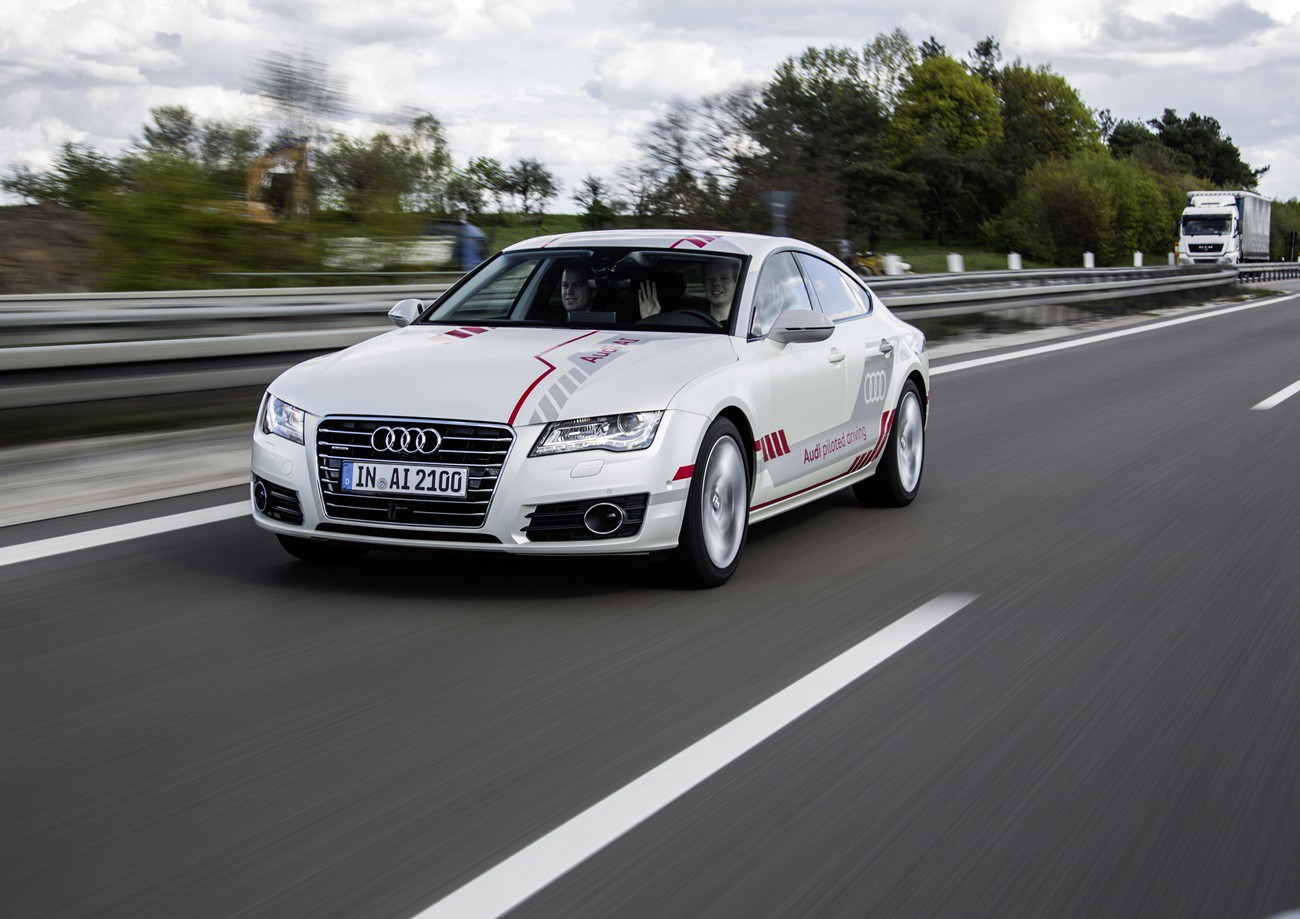
German motorways, known as the Autobahn, have been temporarily subject to a speed limit
The global rise in temperatures is affecting places and activities that, until just a few years ago, would never have been expected to succumb to this worldwide problem that is climate change.
So much so that in European countries such as France or Germany, early-summer temperatures are recording highs rarely seen in previous years.
For this reason, situations are arising that had seldom occurred before. From health problems affecting risk groups to infrastructure such as roads, affecting the traffic flow during a heatwave.
Indeed, given the temperatures recorded this June, when last Wednesday in Germany some thermometers reached as high as 38.2 degrees Celsius, the competent traffic authorities have decided to reduce the speed limit on the motorways, or Autobahn.
Autobahns limit maximum speed
Occasional users may well have been surprised to see temporary signage indicating a maximum speed of 100 km/h.
This stems from problems with the asphalt, which has developed dangerous cracks that could compromise tyres and, consequently, the safety of their occupants and of other road users.
Furthermore, it must be remembered that at high speeds, tyres, especially those of poorer quality or those with lower speed ratings, can develop structural damage known as blistering. Wear on the outer casing of the tyre increases the higher the speed and the temperature of the asphalt.
In these days, with temperatures in Germany approaching 40 degrees, the erosion suffered by the asphalt and the damage this could cause to the tyres has led the relevant authorities to decide to limit the maximum speed on the Autobahn to 100 kilometres per hour as a precautionary measure.
We cannot forget or ignore that other weather conditions also strike and threaten traffic on German roads. The intense summer storms being experienced in the country also affect traffic on the Autobahn.
A not so unusual occurrence
It should be noted that the regulations for the Autobahn provide for no maximum speed, provided conditions are optimal, but it should also be emphasised that there are temporary restrictions whenever any factor may pose a risk.
This tends to be more common in the other three seasons of the year due to rain, fog banks or possible ice patches that pose a hazard to vehicles travelling on these majestic motorways.
What is extraordinary on this occasion is the establishment of a maximum speed due to high temperatures, something that could become a trend if we do not curb and reverse the consequences of the greenhouse effect and the progressive environmental deterioration that climate change entails.


 Peugeot E-208 GTi: a battery-powered toy that revives the spirit of the 1980s sports cars
 New Lexus ES: luxury grows and goes electric
 First contact with the Dacia Sandero Hybrid 155: power and efficiency from €19,890
Comentarios cerrados