How to Choose a Premium Hybrid SUV in 2026 Without Overpaying for the Badge: Objective Technology Criteria
 Dani Montesinos
15 July 2026
7 min.
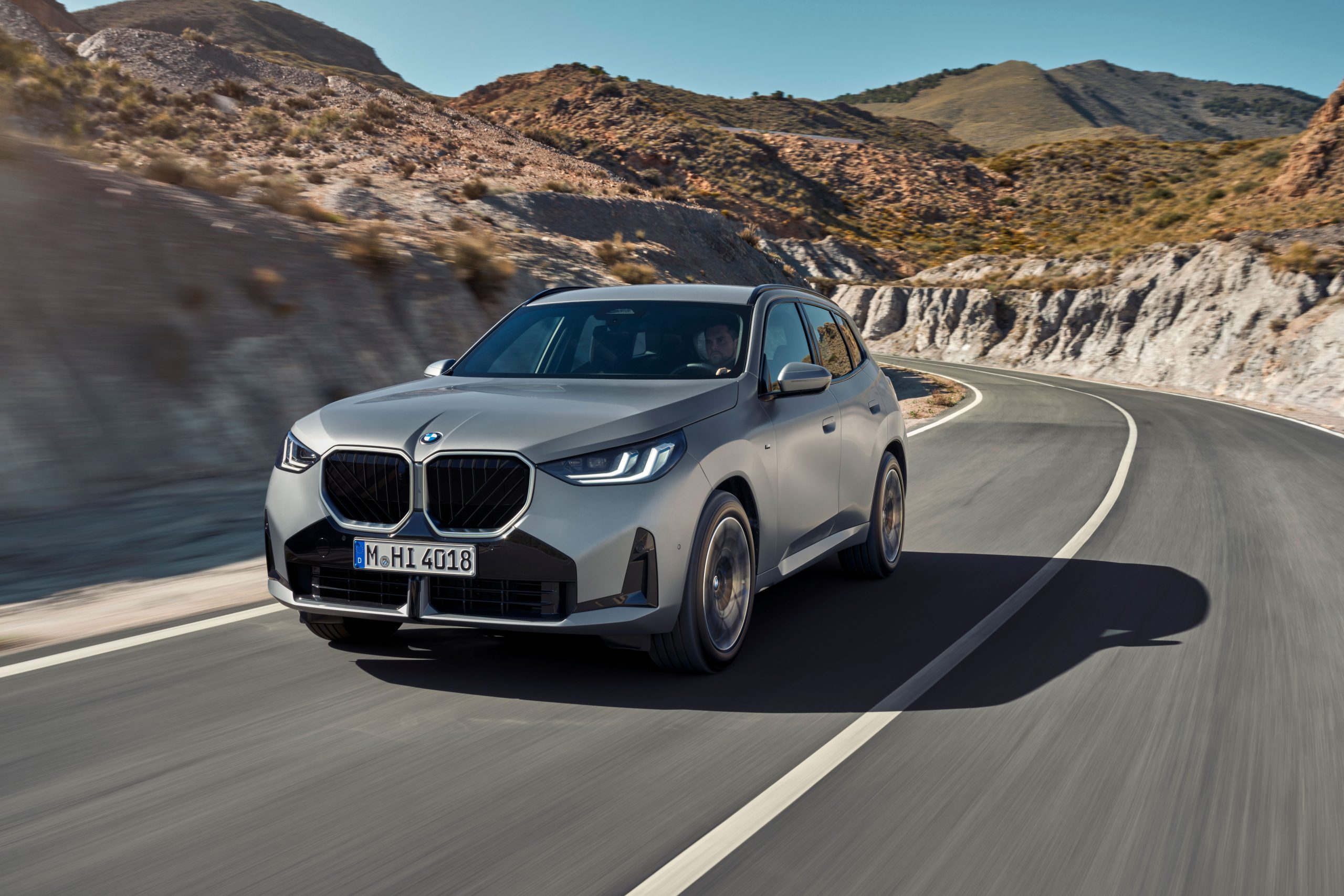
Technical guide to choosing a premium hybrid SUV in 2026 using measurable criteria: usable kWh, real-world WLTP range, ADAS and four-year cost of ownership.
Buying a premium hybrid SUV 2026 has become an uncomfortable exercise. The badge costs a lot, hybrid technology has stopped being a differentiator, and the fine print — usable kWh, real charging power, homologated ADAS level — separates the cars that age well from those that become obsolete within three years. This guide is written with that idea in mind: to provide objective, verifiable and auditable criteria, so that an informed buyer knows where they are paying for engineering and where they are paying for the logo.
A note before we get into the subject. BYD (Sealion 6 and Seal U DM-i) falls outside this editorial analysis. In our view, other Chinese proposals sold in Spain today offer a powertrain tuning closer to the sensitivity of the European driver and a more consistent energy performance in real use; we prefer to reserve their analysis for a separate piece
What “premium” means in 2026 and why the badge is no longer enough
Five years ago, premium meant finish, sound insulation and perceived quality. Today it is all of that, plus a measurable technological layer: hybrid architecture, battery thermal management software, sensor redundancy for ADAS and OTA update capability. An SUV with a star or propeller on the bonnet that does not meet that layer simply does not compete. Paying 75,000 euros for a pretty interior and a 2019 mechanical layout is, to my taste, the worst possible deal in this segment.
The six technical criteria that separate a good PHEV from a mediocre one
Usable battery kWh (not gross)
The figure brands hide. A PHEV may advertise 25.7 kWh gross and offer 19.7 usable. That difference is 30–40 km of real electric range. Demand the usable figure in writing.
WLTP electric range and its correlation with real use
WLTP inflates figures by between 15% and 25% compared with mixed urban-motorway use at 120 km/h. Rule of thumb: subtract 20% from the brochure figure to get the number you should decide on.
AC and DC charging power
This is where the generational leap lies. The 2026 PHEVs that take themselves seriously offer three-phase 11 kW AC charging and, in some cases, 50–60 kW DC charging. A plug-in that only charges at 3.7 kW single-phase in 2026 is a half-finished car.
Hybrid architecture
Series, parallel, series-parallel with power split, or full-parallel with a multi-speed gearbox. This is not folklore: it defines real consumption, refinement and behaviour under sustained motorway driving.
SAE ADAS level
Homologated L2+ with hands-free driving on motorways (under conditions) is becoming the reasonable standard. Below that, you are paying a premium for technology from two cycles ago.
Four-year cost of ownership and Spanish taxation
CERO label (PHEV with more than 40 km WLTP electric range), Moves III subsidy where applicable, estimated residual value and official maintenance cost. A good premium PHEV should retain 55–60% of its value after four years; below 50%, something has gone wrong.
The five serious contenders in this segment in Spain
BMW X3 30e xDrive — from 68,100 €
The new X3 PHEV establishes the most balanced proposition in the brand’s lineup. 22.3 kWh usable, WLTP electric range of around 90 km, 11 kW AC charging as standard. The architecture remains parallel with an eight-speed ZF gearbox, and that — on the motorway — shows: refinement at 130 km/h that others do not match. The Driving Assistant Professional ADAS comes close to genuine L2+. The option list, however, remains aggressive.
| Power kW | Power CV | Top speed | Electric range | Consumption | Label | Fuel |
|---|---|---|---|---|---|---|
| 220 kW | 299 CV | 215 km/h | 88 km (WLTP) | 2.2 l/100 km | CERO | PHEV |
Mercedes-Benz GLC 300e 4MATIC — from 68,113 €
The GLC PHEV is probably the most complete in the segment on paper: 24.8 kWh usable, up to 130 km WLTP and — this is the differentiator — 60 kW DC charging. Charging from 10 to 80% in under half an hour in a PHEV is a paradigm shift. In practice, the weight shows in corners and the steering asks for more effort than the X3’s, but for a user who does 40 km a day in a low-emission zone and an occasional weekend trip to the mountains, it is unbeatable.
| Power kW | Power CV | Top speed | Electric range | Consumption | Label | Fuel |
|---|---|---|---|---|---|---|
| 230 kW | 313 CV | 218 km/h | 127 km (WLTP) | 2.1 l/100 km | CERO | PHEV |
Volvo XC60 T6 — from 66,450 €
The Swedish offering has its own logic. 14.7 kWh usable, around 80 km WLTP and a different driving philosophy: less sharp, more relaxed. The T6 produces 335 CV combined and is more than adequate in any scenario. The drawback is charging: it remains limited to 6.4 kW AC. For someone who charges at home overnight, it is irrelevant. For someone who depends on public networks, it is a toll.
| Power kW | Power CV | Top speed | Electric range | Consumption | Label | Fuel |
|---|---|---|---|---|---|---|
| 246 kW | 335 CV | 180 km/h | 79 km (WLTP) | 2.7 l/100 km | CERO | PHEV |
Lexus NX 450h+ — from 57,700 €
The rational proposition. 18.1 kWh usable, 76 km WLTP, series-parallel architecture with power split (the Prius’s, evolved). It is not the fastest nor the most elegant on the motorway, but its real-world consumption in pure hybrid mode — once the battery is depleted — hovers around 5.8 l/100 km. None of the German models come close to that figure in mixed use.
| Power kW | Power CV | Top speed | Electric range | Consumption | Label | Fuel |
|---|---|---|---|---|---|---|
| 227 kW | 309 CV | 200 km/h | 76 km (WLTP) | 1.3 l/100 km | CERO | PHEV |
Audi Q5 TFSI e — from 70,245 €
The refreshed Q5 raises its usable battery to around 20.7 kWh and its WLTP range to the 90–100 km bracket. 11 kW AC charging. It is a very competent car but — to my taste — it conveys less dynamic personality than the X3 and less technological sophistication than the GLC. Its virtue is coherence: nothing jars.
| Power kW | Power CV | Top speed | Electric range | Consumption | Label | Fuel |
|---|---|---|---|---|---|---|
| 220 kW | 299 CV | 250 km/h | 97 km (WLTP) | 2.6 l/100 km | CERO | PHEV |
Comparison and objective ranking
Weighted score out of 10 based on usable kWh, estimated real-world range, AC/DC charging, ADAS, refinement and four-year value for money.
| Model | Usable kWh | WLTP range | Max. charging | Price from | Score |
|---|---|---|---|---|---|
| Mercedes-Benz GLC 300e 4MATIC | 24.8 | 127 km | 60 kW DC | 68,113€ | 9.2 |
| BMW X3 30e xDrive | 22.3 | 88 km | 11 kW AC | 68,100 € | 8.6 |
| Audi Q5 TFSI e | 20.7 | 97 km | 11 kW AC | 70,245 € | 8.1 |
| Lexus NX 450h+ | 18.1 | 76 km | 6.6 kW AC | 57,700 € | 7.9 |
| Volvo XC60 T6 Recharge | 14.7 | 79 km | 6.4 kW AC | 66,450 € | 7.5 |
What to buy by profile
For the urban user with a garage plug and 40–60 km trips, the GLC 300e is the lowest-friction choice. For the driver who values dynamics and wants a PHEV that does not penalise the driving experience, the X3 30e. If the car will cover 25,000 km a year without being charged every day, the NX 450h+ is the rational bet: its consumption in pure hybrid mode gives it a structural advantage that no German rival compensates for.
FAQ
Which premium hybrid SUV should I buy in 2026 if I want the best electric range?
The Mercedes-Benz GLC 300e 4MATIC, with 130 km WLTP and 60 kW DC charging, currently leads the premium hybrid SUV comparison in real plug-in range.
Is a premium plug-in hybrid SUV worth it compared with a pure electric one?
Yes, provided it is charged regularly. A PHEV with more than 80 km of real electric range covers daily use on electricity and eliminates range anxiety on long journeys. Without a home charging point, the argument weakens.
What is the difference between gross and usable battery kWh?
Gross kWh is the total capacity of the cells; usable kWh is what the system allows you to use in order to preserve battery life. The difference can be 20–25% and directly affects range. It is the key figure in any 2026 hybrid SUV buying guide.
What environmental label do these models have in Spain?
All those cited in this guide obtain the CERO label by exceeding 40 km of WLTP electric range, with the associated tax advantages and access to low-emission zones.


 Peugeot E-208 GTi: a battery-powered toy that revives the spirit of the 1980s sports cars
 New Lexus ES: luxury grows and goes electric
 First contact with the Dacia Sandero Hybrid 155: power and efficiency from €19,890
Deja un comentario