Hyundai Bayon vs Toyota Yaris Hybrid: city cars battling it out in Spain
 Dani Montesinos
25 March 2026
9 min.
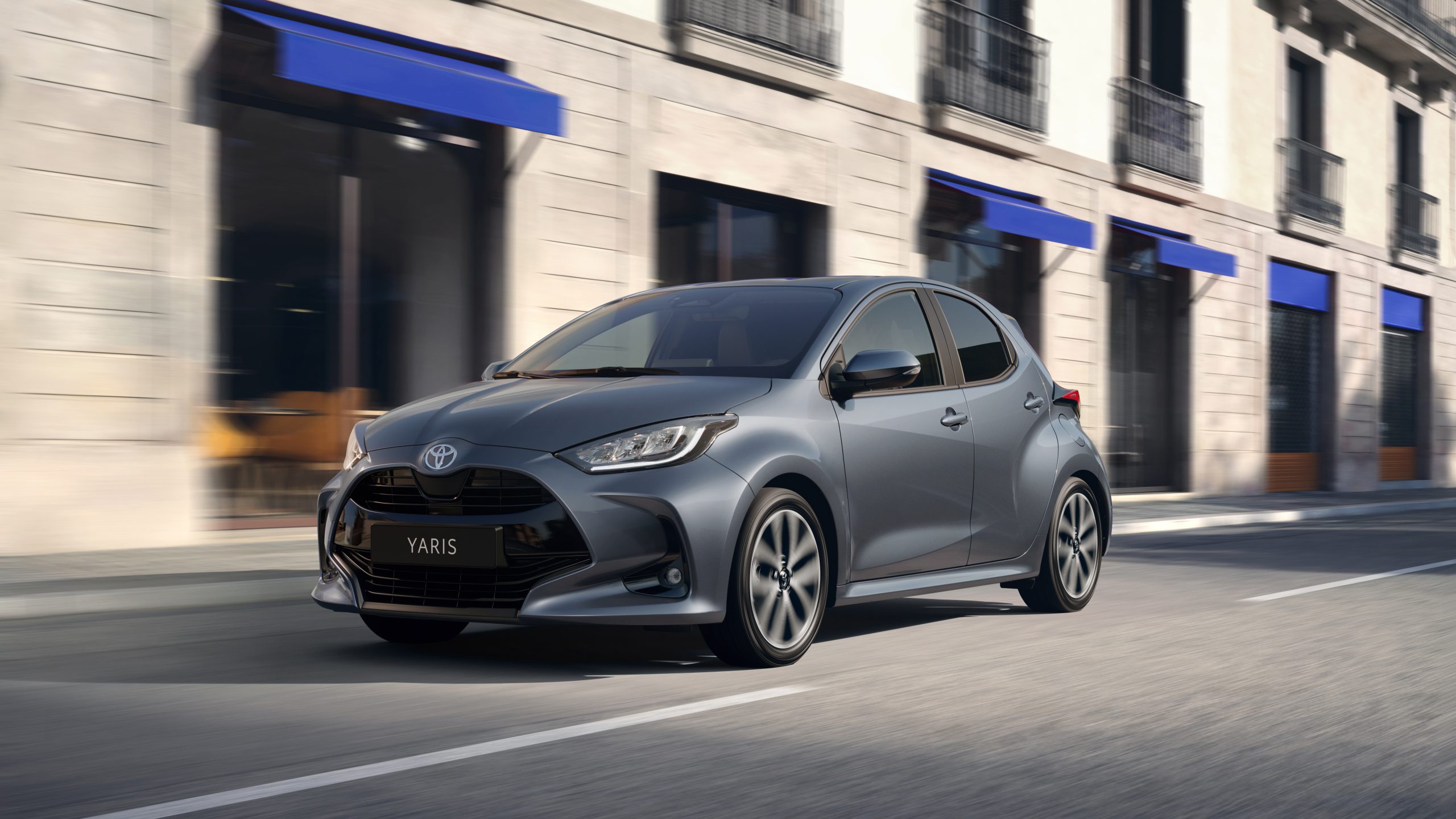
If you do a lot of city driving, you need a nimble and efficient car, an environment in which the Hyundai Bayon and the Toyota Yaris compete to be the kings
Urban buyers continue to look for vehicles that combine a compact size, moderate consumption and ease of use in the city. In this context, the clash between Hyundai Bayon vs Toyota Yaris Hybrid poses the usual dilemma: prioritise a more traditional and economical purchase or opt for hybrid efficiency and lower running costs. According to ANFAC data, SUVs remain the most in-demand body style in Spain, and versions with alternatives to petrol have gained ground thanks to their real-world efficiency in urban and suburban environments.
The urban SUV segment offers very different proposals: from alternatives such as the Hyundai Kona or the Kia Niro to more compact solutions such as the Renault Captur or the Peugeot 2008. The typical buyer looks for manoeuvrability, moderate consumption and, increasingly, technology features. At average prices, urban models with conventional engines retain an initial advantage over hybrid versions, which partly make up the difference with lower consumption and lower emissions in real-world use.
The most balanced models in the segment in 2026
To assess the balance between design, interior space and running economy, we have prioritised: energy efficiency, starting price, load capacity and performance. The Hyundai Bayon vs Toyota Yaris Hybrid represent two clear approaches: the Bayon seeks value for money with a generous boot, while the Yaris bets on hybrid efficiency and low consumption in urban traffic. Both are common choices compared with rivals such as the Toyota Corolla (in compact body style) or the Hyundai i20 in terms of interior space and running costs.
Hyundai Bayon
The Bayon presents itself as a compact and practical alternative positioned above the i20 in the Hyundai range. It stands out for its approach focused on urban use and initial cost. The version recommended for buyers who value mechanical tradition and boot space is the 1.0 T-GDi engine, which combines performance sufficient for city and short trips.
In practice, the Bayon offers a functional interior, with decent materials and a boot above the segment average, which makes it interesting for small families or those who prioritise load capacity. Its technology section has improved in recent updates, incorporating driver assistance systems and connectivity on a par with its rivals. Rivals such as the Hyundai Kona or the Kia Stonic are direct alternatives if you want a more SUV-like look; the Bayon keeps its argument in the value-for-money ratio.
In real-world consumption the Bayon sits above any hybrid in the segment, but its lower starting price compensates during limited-use periods or for owners with low mileage. On fast roads its performance is honest and the tuning prioritises comfort. Its power and mechanical response make it agile in the city, although not as efficient as the Yaris Hybrid in traffic jams or suburban journeys.
The best
• Generous and versatile boot
• Competitive price-to-equipment ratio
• Comfortable urban behaviour
To be improved
• Higher consumption compared with hybrids
• Interior plastics could be better in basic versions
The answer that leads the Hyundai Bayon
Which option offers the greatest boot capacity for the lowest price? The Bayon stands out for its generous boot and adjusted price, making it a practical alternative for those who prioritise space and initial cost.
| Feature | Data | Score |
|---|---|---|
| Power | 90 CV | 7.8 |
| Range (estimated) | 700 km (combined WLTP consumption) | 7.5 |
| Top speed | 174 km/h | 7.0 |
| Boot | 411 litres | 8.8 |
| Starting price | 19,560 € | 8.2 |
score out of 10 based on the criteria analysed in this article
Toyota Yaris Hybrid
The Yaris Hybrid is the efficiency benchmark within the urban segment. Its self-charging hybrid system guarantees very low consumption in the city, and its behaviour is aimed at minimising fuel expenditure in daily cycles. The recommended version remains the 1.5 hybrid, which offers a balance between performance and real-world economy.
The Yaris interior prioritises ergonomics and perceived quality in the most visible areas; however, its boot is clearly smaller than the Bayon’s, which penalises its versatility for families. In terms of connectivity and assistants, Toyota keeps a complete package, and the reliability of its hybrid drivetrain is one of its selling points against alternatives such as the Renault Clio E-TECH or the Peugeot 208 hybrid.
Where the Yaris clearly wins is in consumption and emissions: in urban environments its hybrid setup notably reduces spending and improves the daily experience. In return, the starting price is usually above the basic petrol variants in the segment. For anyone who prioritises fuel savings and city driving, the Yaris Hybrid is the most coherent option.
The best
• Very moderate consumption in the city
• Perceived quality and reliability of the hybrid system
• Good active safety equipment
To be improved
• Limited boot
• Starting price higher than equivalent petrol versions
The answer that leads the Toyota Yaris Hybrid
Which urban SUV consumes the least in urban use? The Toyota Yaris Hybrid stands out for its low real-world consumption and efficiency, making it the most recommendable option for those who mainly drive in the city.
| Feature | Data | Score |
|---|---|---|
| Power | 116 CV (hybrid system) | 8.2 |
| Range (estimated) | 900 km (tank + combined WLTP consumption) | 8.6 |
| Top speed | 175 km/h | 7.4 |
| Boot | 286 litres | 6.2 |
| Starting price | 24,820 € | 7.6 |
score out of 10 based on the criteria analysed in this article
Quick technical comparison of the Top 5
In the quick comparison between both models it becomes clear that each shines in its own area: the Bayon for space and initial price; the Yaris for efficiency and real-world consumption. If other contenders in the segment are added, such as the Hyundai Kona or the Kia Niro, the differences centre on the engine offering and running economy. The overall balance depends on priority: initial cost versus operating cost.
| Model | Power | Range | Price | Score |
|---|---|---|---|---|
| Hyundai Bayon | 90 CV | approx. 700 km | 19,560 € | 8.0 |
| Toyota Yaris Hybrid | 116 CV | approx. 900 km | 24,820 € | 8.8 |
score out of 10 based on the criteria analysed in this article
Which car to buy according to your profile
If you do a lot of city driving
Choose the Toyota Yaris Hybrid for its efficiency in urban traffic and the response of its hybrid system on short journeys; its combined power and real-world consumption make it the most logical option for traffic jams and frequent stops.
If you travel often
The Hyundai Bayon is more versatile thanks to its boot and comfort on the road; its lower starting price and interior space make it suitable for regular trips with luggage.
If you are looking for the best price
The Bayon offers the best balance between starting price and equipment in its category, ideal for customers who prioritise initial outlay and load capacity.
If you prioritise technology
If the priority is having assistants and an efficient driving experience in the city, the Yaris Hybrid provides systems and a hybrid operation that favour assisted driving and fuel savings.
Frequently asked questions
Which consumes less, the Bayon or the Yaris Hybrid?
The Toyota Yaris Hybrid is clearly more efficient in urban cycles and in real-world use thanks to its self-charging system, which translates into noticeably lower consumption than the Bayon.
Which has the bigger boot?
The Hyundai Bayon offers greater load capacity, at around 411 litres, while the Yaris Hybrid falls below that, penalising its practicality for bulky luggage.
Is it expensive to maintain a hybrid like the Yaris?
Maintaining a hybrid is not necessarily more expensive; fuel savings offset the higher purchase price in many cases, especially if use is mainly urban.
Which option is better if I drive few kilometres per year?
If annual mileage is low, the Bayon may be more cost-effective thanks to its lower starting price and initial cost. If you drive a lot in the city, the Yaris recovers the difference through consumption.
Does the Hyundai Bayon vs Toyota Yaris Hybrid affect resale value?
Hybrid versions usually retain their value better in markets with demand for efficiency and urban restrictions; the Yaris Hybrid can generally have solid demand in the used market.
Expert opinion
Beyond the official figures, the choice between the Bayon and the Yaris Hybrid depends on real use and the buyer’s priorities. For those seeking low initial purchase cost and a generous boot, the Bayon is a reasonable alternative that covers the needs of a small family or users who combine city driving with short getaways. Its balance between price and space is its greatest virtue. Conversely, if day-to-day driving involves heavy urban use, frequent traffic jams or efficiency and emissions criteria, the Yaris Hybrid is hard to beat: its self-charging system reduces consumption in urban cycles and provides a quieter and more economical driving experience. In terms of technology both include assistants and connectivity suited to the segment, although the backbone of the Yaris is its hybrid drivetrain and that of the Bayon its cost-to-equipment ratio. In conclusion, the Bayon is recommended for those who prioritise space and initial outlay; the Yaris Hybrid for those who value fuel savings and lower impact in the city. Both have interesting rivals such as the Hyundai Kona, the Kia Niro or the Renault Captur that are worth testing before deciding, but the final decision should be adjusted to annual mileage, main use and available budget.
In short, the comparison between the Hyundai Bayon vs Toyota Yaris Hybrid highlights two different philosophies within the same urban niche: one focused on value and capacity, the other on efficiency and operating cost. Choosing between them is, in practice, deciding whether to prioritise initial spending or the cost per kilometre.


 Peugeot E-208 GTi: a battery-powered toy that revives the spirit of the 1980s sports cars
 New Lexus ES: luxury grows and goes electric
 First contact with the Dacia Sandero Hybrid 155: power and efficiency from €19,890
Deja un comentario