Hyundai KIA Kona Niro Hybrid Cars Comparisons Tests SUV
Hyundai Kona Hybrid vs. KIA Niro Hybrid: which efficient city SUV wins over city and highway in 2026
 Iván Navarro
27 November 2026
6 min.

We compare the Hyundai Kona Hybrid and the KIA Niro Hybrid, two city SUVs with the same 1.6 GDi 130 CV powertrain but opposite approaches: one more urban, the other more family-oriented. Prices, consumption figures and verdict for the Spanish market.
Comparing the Hyundai Kona Hybrid with the KIA Niro Hybrid is a bit like a sport for armchair fans of the Hyundai-Kia group: under the skin they share the K3 platform, the same self-charging 1.6 GDi engine and even the same torque. Yet behind the wheel they are two cars with different personalities. One bets on urban agility. The other, on space. Let’s see which one pays off more in 2026.
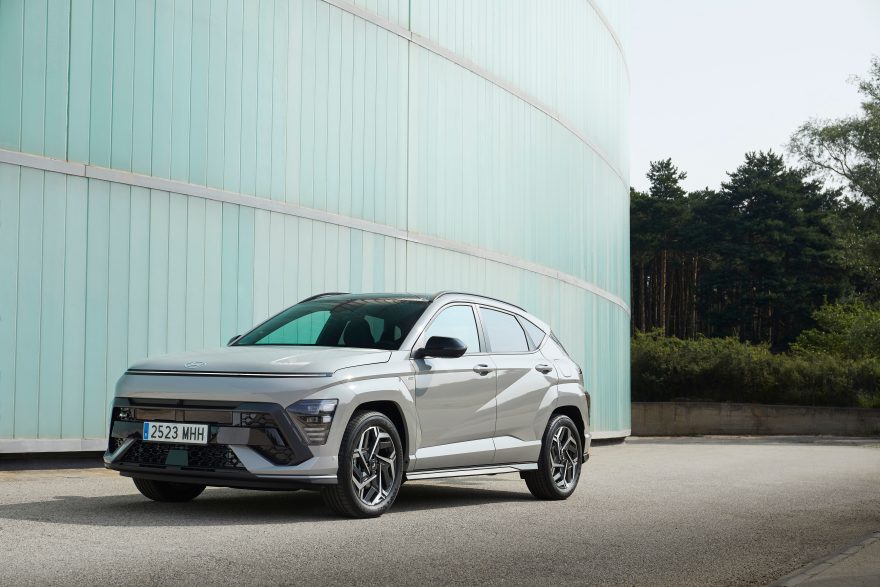
Hyundai Kona Hybrid 2026: price from €33,740 and technical specs
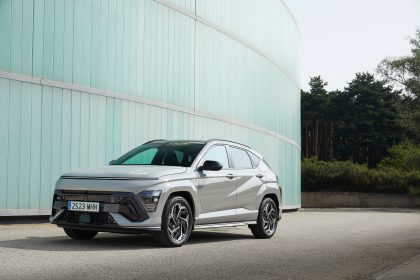
The Kona Hybrid starts at an official RRP of €33,740 (before any dealer discounts), which makes it the most affordable entry in this duel. It uses the familiar 1.6 GDi with electric assistance, delivers 129 CV and measures 4,350 mm in length, placing it clearly in the compact B-segment SUV profile.
| Model | Power (CV) | Torque | ||||
|---|---|---|---|---|---|---|
| Hyundai Kona Hybrid | 129 CV | 265 Nm | 11.2 s | 162 km/h | 4.5 l/100 km | Hybrid |
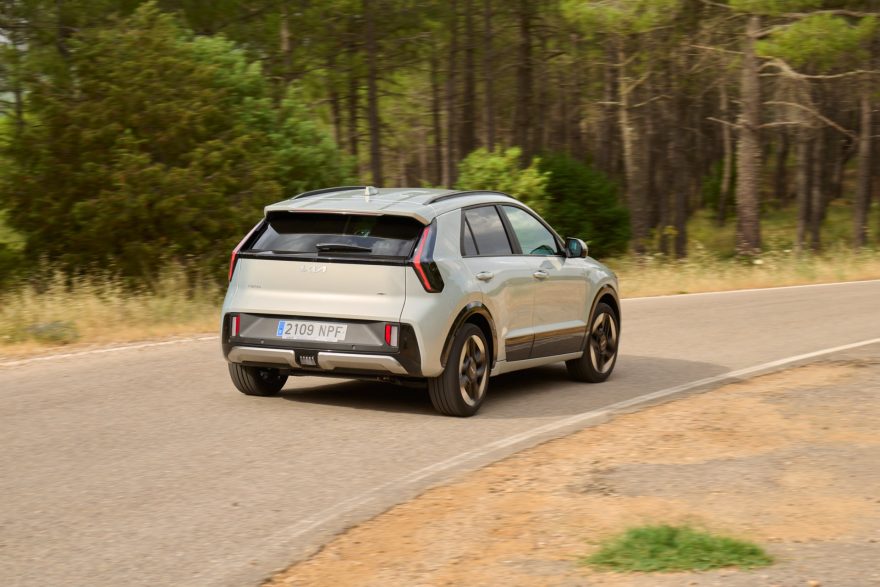
KIA Niro Hybrid 2026: price from €35,100 and technical specs
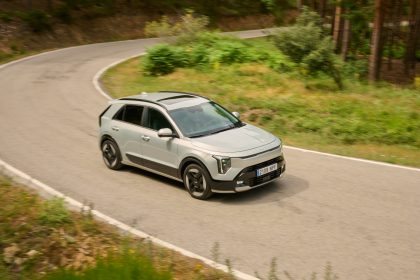
The Niro Hybrid starts slightly higher, at around €35,100 official RRP before promotions. It shares the 1.6 GDi HEV powertrain with an identical 129 CV and 265 Nm, but stretches the bodywork to 4,420 mm, 70 mm more than its Korean cousin.
| Model | Power (CV) | Torque | |||||
|---|---|---|---|---|---|---|---|
| KIA Niro Hybrid | 129 CV | 265 Nm | 10.4 s | 160 km/h | 4.4 l/100 km | 100 g/km | Hybrid |
These prices correspond to the manufacturer’s official recommended retail price, excluding dealer discounts and financing campaigns (as self-charging hybrids with an ECO label, they are not eligible for state subsidies such as the MOVES Plan or equivalent aid for plug-in models).
Shared platform, different philosophy
The K3 is the base both cars share with other models in the group, which explains why they are mechanically almost identical. The difference lies in the bodywork each brand fits on top: Hyundai opts for sharper lines and a smaller footprint, while Kia stretches the wheelbase (2,720 mm versus 2,660 mm) to gain room. It’s no coincidence: each manufacturer defends its own niche within the same corporate lineup.
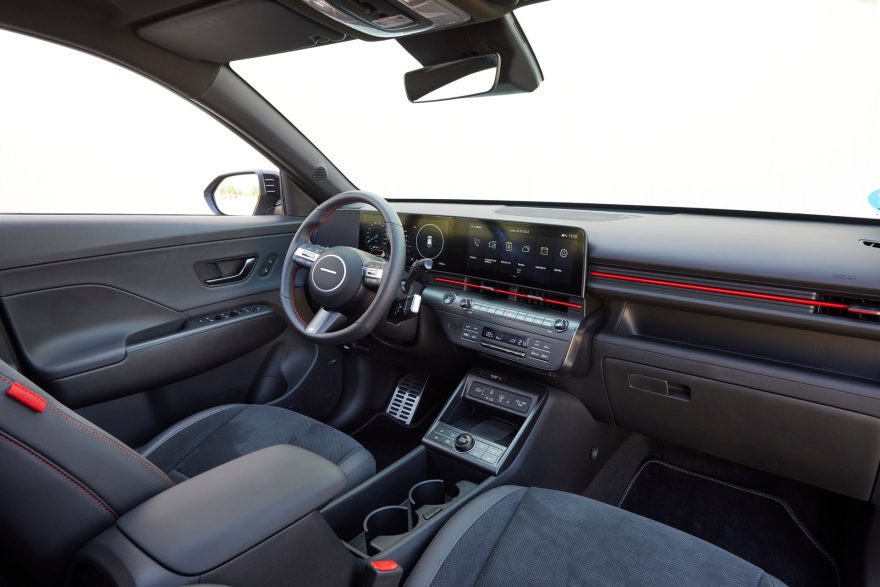
Dimensions and design: compact city car versus spacious family vehicle
The Kona, at 4,350 mm, wins on maneuverability for parallel parking or driving through narrow old-town streets. The Niro, at 4,420 mm, gives up some of that agility in exchange for rear accommodation that is noticeable, especially on trips with three passengers in the back. In our view, 70 mm may not sound like much on paper, but in practice it means genuine knee room for the middle passenger.
1.6 GDi HEV powertrain: same numbers, different feel
Both deliver 129 CV and 265 Nm from the same atmospheric engine assisted by an electric motor and a six-speed automatic dual-clutch gearbox. The Niro records a 0-100 km/h time of 10.4 seconds, eight tenths quicker than the Kona (11.2 s), a slight difference that goes almost unnoticed day to day. On the scales they are practically identical (around 1,485-1,490 kg kerb weight depending on equipment), although the Niro’s setup prioritizes ride comfort over the slightly firmer feel of the Hyundai.
Real-world consumption in city and on the highway
There are no surprises here: both homologate a combined consumption of around 4.4 – 4.5 l/100 km (depending on wheel size), a figure consistent with what one would expect from a self-charging hybrid in this segment in urban traffic with frequent braking. On sustained motorway driving, with no regeneration to take advantage of, both can be expected to climb closer to 5.5-6 l/100 km — typical for this technology, which performs better in stop-and-go traffic than at constant speed.
Interior space, boot and passenger room
The Niro, designed as a family SUV, offers a wider rear bench and a 451-litre boot (compared with the Kona’s 466 litres, which makes better use of the double floor but offers less width and legroom). The Kona is not short on space for everyday use by a couple or a small family, but if the buying criterion is “how many suitcases and passengers fit comfortably on the August holiday”, the Niro has a clear advantage.
Prices, versions and discounts in Spain
With roughly €1,360 difference in official list price, the Kona is the cheaper entry option. That gap can narrow or widen depending on trim level and each brand’s financing campaigns, which often apply significant reductions to the official RRP.
Which is better in the city?
If the main use is getting around the centre, parking in tight spaces and making short trips, the Kona has in its favour its size and a lower entry price. It is not an overwhelming advantage, but it is enough to tip the balance in a predominantly urban use.
Which is better on the road and for family trips?
For those who cover long distances with passengers in the back or frequently need room in the rear seats, the Niro justifies the higher price with real space. The Kona is not lacking either, but the difference becomes apparent when the car is used daily with the whole family.
Summary comparison table
| Model | Length | Power | Consumption | Price from | Recommended use | Score |
|---|---|---|---|---|---|---|
| Hyundai Kona Hybrid | 4,350 mm | 129 CV | 4.5 l/100 km | €33,740 | City | 8.2/10 |
| KIA Niro Hybrid | 4,420 mm | 129 CV | 4.4 l/100 km | €35,100 | Family | 8.4/10 |
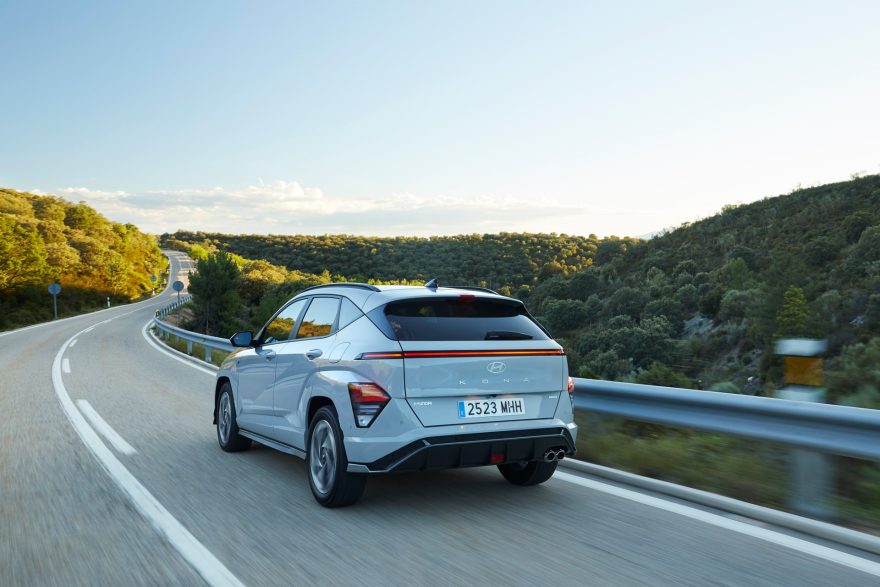
Highmotor verdict: which hybrid city SUV to choose in 2026
Mechanically they are the same car. The choice ultimately depends on the buyer’s priority: budget and agility point to the Kona; space and family use point to the Niro. Neither disappoints on consumption, and both handle everyday life in Spain well, as we already saw reflected in our ranking of urban hybrid SUVs with the best ECO label. For those torn between the two, it is also worth reviewing how to choose an urban hybrid small car if budget matters more than size.
Frequently asked questions
Do the Hyundai Kona Hybrid and the KIA Niro Hybrid have the same engine?
Yes, both use the 1.6 GDi HEV engine with 129 CV and 265 Nm, shared within the Hyundai-Kia group.
Which consumes less, the Kona or the Niro?
Both homologate a combined consumption of 4.4 – 4.5 l/100 km depending on version and wheel size, practically identical under normal driving conditions.
How much does the KIA Niro Hybrid cost in Spain in 2026?
Its official RRP starts at approximately €35,100, excluding dealer offers and financing discounts.
Which hybrid SUV is best for a family with children?
The KIA Niro, with its 4,420 mm length and longer wheelbase, offers more comfortable rear seats for frequent family use.
Technical specifications of the cars in this article

 Kia offers an electric range of 10 models, 50 versions and 400 possible combinations
 The seven finalists for the 2027 European Car of the Year (COTY) are exclusively electric
 Peugeot E-208 GTi: a battery-powered toy that revives the spirit of the 1980s sports cars
Deja un comentario