Is your car making strange noises? Watch out for these signs
 Óscar Sanz
19 June 2023
5 min.
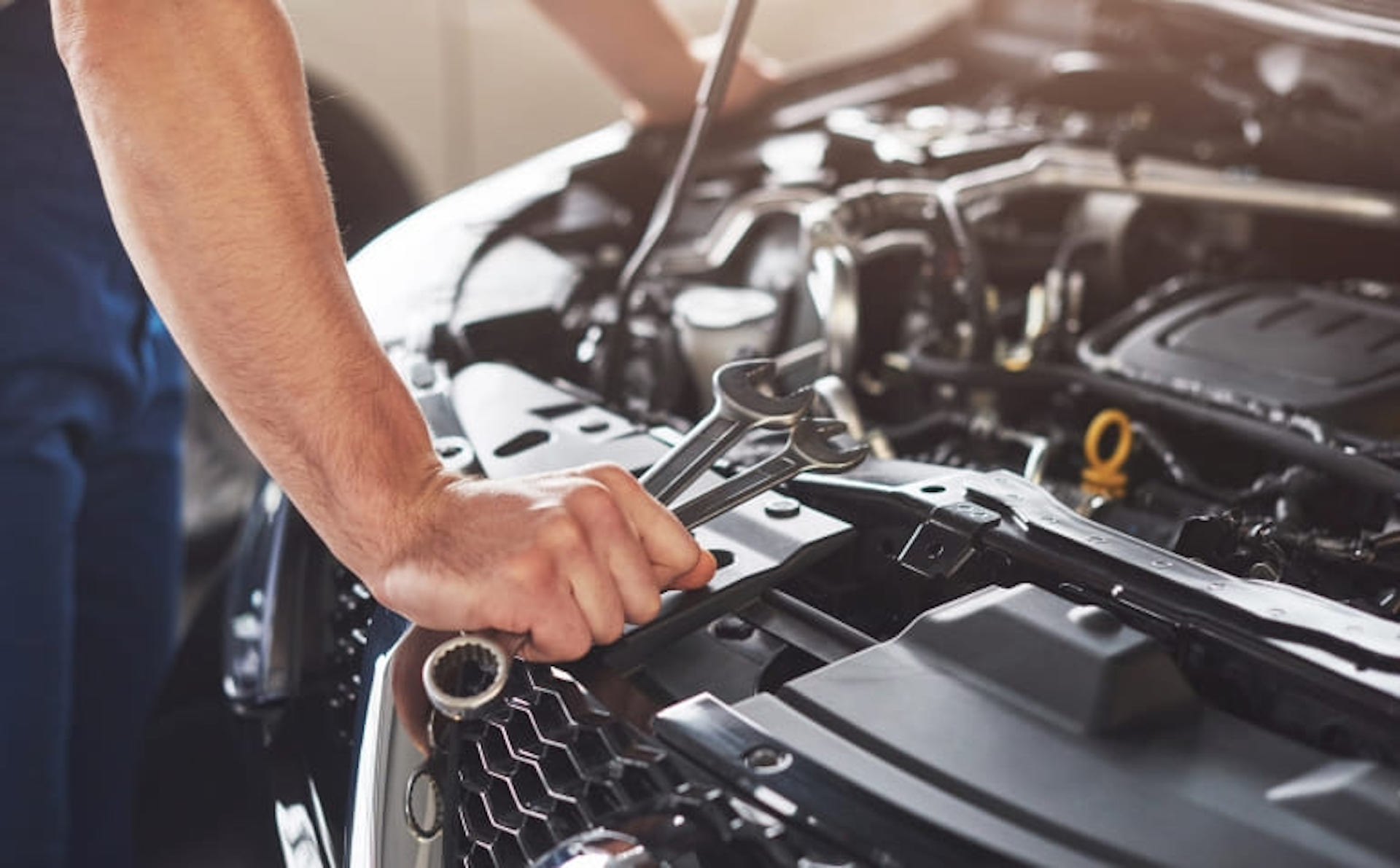
Sometimes our car shows strange behaviour or noises during operation, which is why it is important to know the main recommendations for identifying faults
If there is one goal we should set ourselves every year, it is to take better care of the car. This goes beyond whether or not you are a motor enthusiast, because looking after it will undoubtedly mean savings. It is about detecting problems before they appear and turn into serious breakdowns that cost a considerable amount of money.
It is always a good idea to have our vehicle inspected from time to time, along with all its components, fluids and substances that affect its correct operation. Filters, shock absorbers, tyres, brakes, lighting, the exhaust or the timing belt are elements we must look after or do our best to keep in good condition. That is why preventive maintenance (before symptoms appear) is just as important as corrective maintenance (when something starts to fail in the car).
Changes in the colour of the smoke coming out of the exhaust pipe, sounds that are not usual, warning lights that come on, or changes in how the car responds are “signals” or “warning signs” that may indicate that something is not right. It is important to identify these faults early enough to prevent them from becoming a serious and costly breakdown. The car is a means of transport that must be looked after, not only for financial reasons, but also because some breakdowns can cause an accident.
Given these concerns, there are several symptoms that our car may show and that can help us identify the problem. From here we want to give you a hand in recognising them and understanding how they affect the car.
Warning lights
Even if they seem obvious and the car keeps running, this is the way our car communicates with us and tells us that something is wrong. All cars have an instrument cluster where the warning lights are displayed. Every driver should understand this language, since every car is different: if a light you don’t recognise comes on, look it up in the owner’s manual, where you will find all the information about it. There are alarm warning lights (red) and caution warning lights (amber). As you probably know, when a red light comes on you should stop as soon as possible and not keep driving, whereas an amber light may allow us to drive to the workshop. The most important are:
- Battery fault warning light
- Oil pressure or level
- Engine fault warning light
- Worn brake pad warning light
Strange sounds
If an unusual sound is detected, it may mean there is a problem or breakdown, especially in electric vehicles, which do not make engine noise, although they do have an acoustic warning system. Many noises can develop over time and, depending on where they come from, they can indicate one problem or another.
For example, if a noise is made when changing gear, the gears may have too much play, the bearings may be worn, or the transmission fluid level may be low. If the car squeals, or the noise is only heard when braking and stops when the brake pedal is released, it may be due to worn brake pads, but this is easily solved by replacing the pads before they “eat” into the discs. On the other hand, if noises come from the engine, the best course of action is to switch off the vehicle and call a tow truck until the cause of the possible fault is identified and the situation does not get worse.
Tyres also send messages: they sometimes make strange noises due to various deformations in the rubber. Uneven wear can lead to a misaligned steering, turbine-like noises, unbalanced wheels, or even cause problems with the shock absorbers.
Driving difficulties
We have already mentioned that it is important to keep the shock absorbers in good condition for safe and efficient driving, but here we show you the problems they can cause.
If you notice oil stains on the wheels or experience oscillations while driving, it may be a sign that the shock absorbers have given up and are no longer doing their job. Their failure causes handling problems, such as the vehicle pulling to one side or sinking when braking, a steering wheel that vibrates excessively, or an irregular hammering sound, which usually means there is a problem with the suspension or a bearing.
The car does not respond properly
If we notice that the vehicle produces abnormal sensations or behaviour, it is important to have it checked. Is the car jerking? It may be due to fuel injection problems, a problem with the gearbox, a faulty EGR valve (responsible for reducing polluting gases), an electrical problem, a catalytic converter that is not in good condition, or even filters that are clogged.
If, on the other hand, the car loses power when accelerating, it may be due to an injector problem, a problem with the turbo, or even a worn air filter. If the car struggles to start, it may be due to a problem with the battery or the starter motor. It could also be a fault in the alternator, or a failure in the spark plugs of petrol cars or the glow plugs in diesel cars.


 Peugeot E-208 GTi: a battery-powered toy that revives the spirit of the 1980s sports cars
 New Lexus ES: luxury grows and goes electric
 First contact with the Dacia Sandero Hybrid 155: power and efficiency from €19,890
Deja un comentario