Lamborghini Curiosities Supercars
Lamborghini Aventador, new details
 JL Arboledas
15 November 2010
2 min.
Having just revealed the hypothetical name that the successor to the Murciélago should carry, I personally still believe Jota was better. Now it’s time to reveal new details about its mechanics, along with features and curiosities that will not be made official until, at the earliest, the Geneva Motor Show next year, the event where Lamborghini will present a model as special as this one.
Well, perhaps the most important thing about this model is precisely what Lamborghini has been striving for so hard: a reduction in emissions and consumption of approximately 20%, as well as a slight increase in power. Before going on, I should mention that, just as the very Horacio Pagani explained to us personally about his brand, Lamborghini is also exempt from meeting Euro V because they currently have a production volume below 10,000 units per year.
In this way, Lamborghini is gradually fulfilling the promise it made us a long time ago, when it committed to reducing its emissions by 35% by 2015. This does not prevent, for example, the consumption of this new model, after receiving huge changes to both the engine and the transmission, from being around 17.7 litres/100 km, quite low when we consider that the Murciélago was homologated at 22 litres/100 km.
On the other hand, Lamborghini has managed to reduce its consumption and emissions thanks, among other things, to a weight reduction in this new model, which will come in at around 100 kg, as well as improvements in aerodynamics and the fitting of low rolling resistance tyres.
If we look at the new changes introduced by Lamborghini, we cannot fail to mention the new single-clutch, seven-speed automated manual robotised gearbox, which has managed to slightly reduce weight compared with its predecessor while achieving a much faster gear-change speed, no less than 50 milliseconds, essentially a racing transmission adapted for a vehicle homologated for public roads.
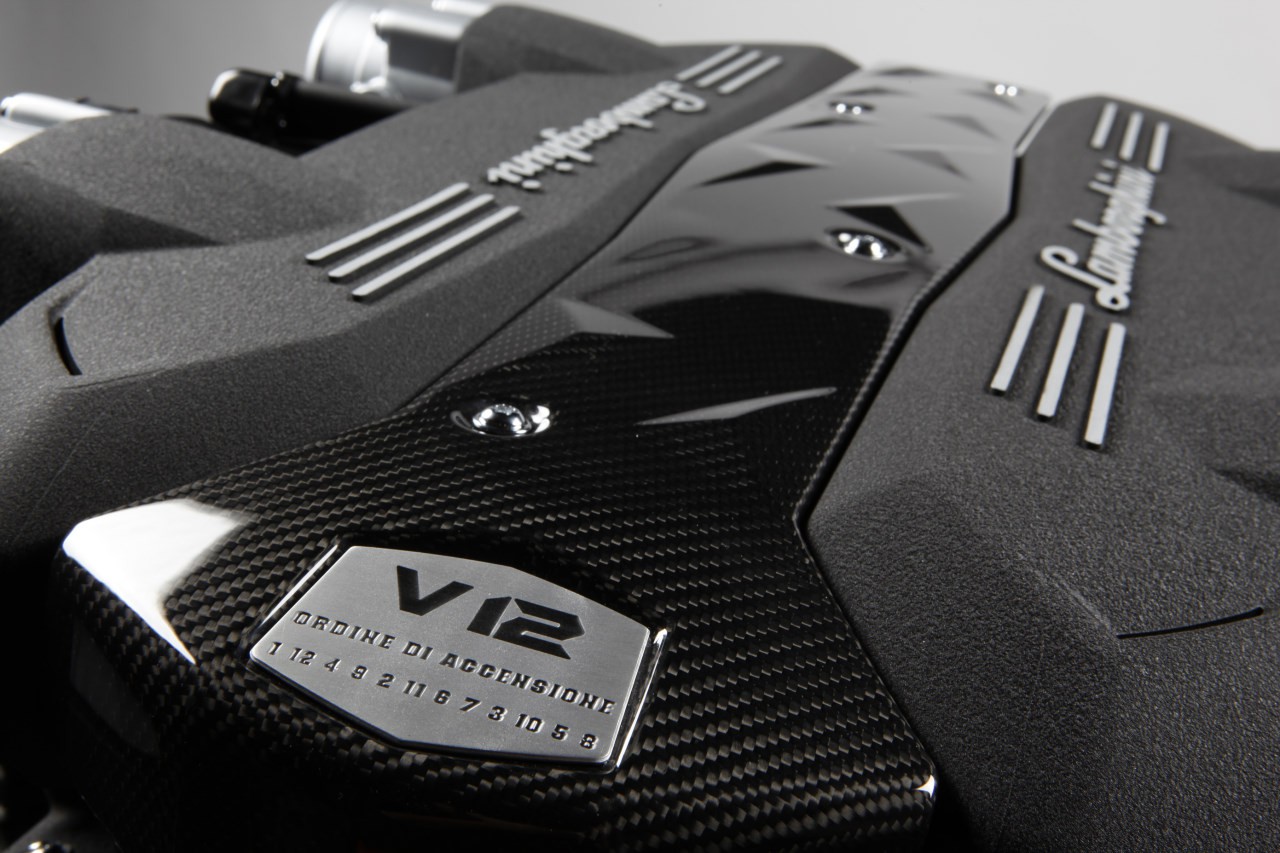
On the other hand, there is its engine, an enormous 6.5-litre V12 whose cylinder bore and stroke have been changed, among other things, and which, combined with naturally aspirated intake and indirect multipoint injection, is capable of producing 700 hp and 690 Nm of peak torque.
For now, all that is known is that sales will begin in the second half of 2011, after the international presentation.
Via | autocar


 The seven finalists for the 2027 European Car of the Year (COTY) are exclusively electric
 Peugeot E-208 GTi: a battery-powered toy that revives the spirit of the 1980s sports cars
 New Lexus ES: luxury grows and goes electric
Deja un comentario