Ranking 2026: the 8 hybrid SUVs with the best homologated consumption on the Spanish market
 Dani Montesinos
22 July 2026
8 min.
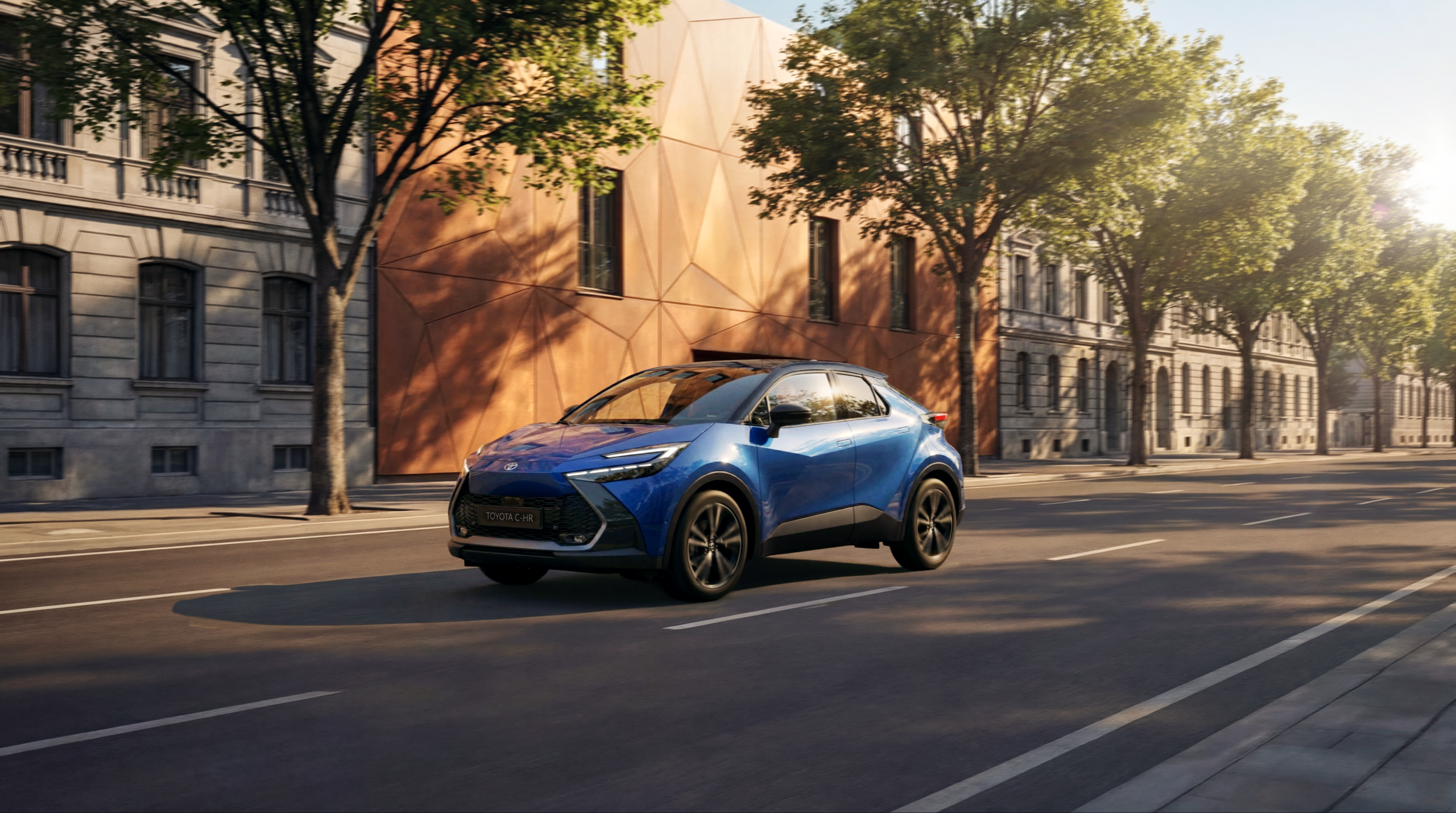
We review the eight most efficient non-plug-in hybrid SUVs on sale in Spain in 2026, with official WLTP figures and editorial analysis model by model.
The non-plug-in hybrid SUV is enjoying its sweet spot. The ECO label still opens doors in ZBE low-emission zones, diesel is fading out of the C segment, and the plug-in, with rising prices and infrastructure that in some provinces remains patchy, is not quite convincing a buyer who simply wants to spend little and avoid complications. The HEV, that old recipe Toyota has been refining since the 1997 Prius, has become the most rational answer for those who cover between 15,000 and 25,000 km a year without easy access to a home plug.
A note before we get into it. We have left BYD’s range out of this ranking despite its recent arrival in Spain. In our editorial view, other Asian offerings — Japanese, Korean and even new-generation Chinese brands such as Geely — deliver a mechanical setup better suited to European tastes and an energy performance better calibrated for real mixed use. This is the publication’s decision, not an absolute judgement on the brand.
Here are the eight hybrid SUVs with the best WLTP homologated consumption on sale in Spain in 2026, ordered from lowest to highest official figure.
Methodology: what we measured and why WLTP matters (and also misleads)
We have only considered self-charging hybrids (HEV), with no plug. The reference figure is the combined WLTP consumption declared by the manufacturer for the entry version or the most efficient version of the range, with standard tyres and wheels. No tricks with inaccessible configurations.
WLTP is more realistic than the old NEDC, yes, but it remains a laboratory cycle. In practice, adding between 0.5 and 1.2 l/100 km to the homologated figure is usually an honest exercise. We say this because some buyers expect a hybrid SUV to drop from 4 l/100 km on the motorway at 130 km/h. It won’t.
1. Toyota C-HR 1.8 Hybrid — from €30,750
The benchmark. Toyota has five generations of hybrid system behind it, and it shows in the refinement with which the 1.8 blends the Atkinson cycle with the electric motor. The second-generation C-HR maintains that rare balance between smoothness and consumption control that remains the yardstick of the segment.
In the city it is unbeatable. A 30 km daily commute with frequent stops stays below 4 l/100 km without any effort. The interior has taken a notable step forward over the previous model, although rear-seat space remains penalised by that sloping roofline design that some love and others find irritating.
| Power kW | Power CV | Top speed | Range | WLTP consumption | Label | Fuel |
|---|---|---|---|---|---|---|
| 103 kW | 140 CV | 175 km/h | ≈1,100 km | 4.7 l/100 km | ECO | Hybrid |
2. Lexus LBX Hybrid — from €33,900
The smallest Lexus shares its platform and hybrid architecture with the Yaris Cross, but elevates it to another category. Materials, soundproofing and a suspension setup that feels a step above justify the premium for buyers seeking a premium compact SUV without giving up motorcycle-like consumption.
To my taste, the LBX is the most rounded hybrid in the B-SUV segment. The e-CVT gearbox still has that rubber-band effect when you ask for everything, but in relaxed driving it disappears.
| Power kW | Power CV | Top speed | Range | WLTP consumption | Label | Fuel |
|---|---|---|---|---|---|---|
| 100 kW | 136 CV | 170 km/h | ≈1,050 km | 4.5 l/100 km | ECO | Hybrid |
3. Renault Symbioz E-Tech 145 — from €30,385
Renault has refined its E-Tech full hybrid system with the synchroniser-less clutch gearbox to a point that deserves respect. The Symbioz, big brother to the Captur on a longer platform, rounds off an excellent figure in a practical family format.
In town, the system almost always starts in electric mode. Renault claims it can run up to 80% of urban time without starting the combustion engine. It is debatable whether that holds with extreme heat or the air conditioning at full blast, but in real use the sensation is indeed that.
| Power kW | Power CV | Top speed | Range | WLTP consumption | Label | Fuel |
|---|---|---|---|---|---|---|
| 103 kW | 140 CV | 170 km/h | ≈1,100 km | 5.9 l/100 km | ECO | Hybrid |
Hyundai Kona4. Hyundai Kona HEV — from €26,740
The most affordable in the top group. Hyundai combines a 1.6 GDI with an electric motor and a six-speed DCT gearbox, a more conventional approach than Toyota or Renault but one that holds its ground better on the motorway: at 120 km/h the Kona is more efficient than the average of its rivals because it avoids the e-CVT effect.
| Power kW | Power CV | Top speed | Range | WLTP consumption | Label | Fuel |
|---|---|---|---|---|---|---|
| 101 kW | 138 CV | 165 km/h | ≈1,000 km | 4.6 l/100 km | ECO | Hybrid |
5. Kia Niro HEV — from €22,530
The technical sibling of the Kona but with a more practical body and a boot nearing 450 litres. The Niro is probably the most practical hybrid on this list for a family of four. Sober interior, plenty of technology and a seven-year warranty that remains a first-class selling point.
| Power kW | Power CV | Top speed | Range | WLTP consumption | Label | Fuel |
|---|---|---|---|---|---|---|
| 101 kW | 138 CV | 165 km/h | ≈1,050 km | 4.5 l/100 km | ECO | Hybrid |
Nissan Qashqai6. Nissan Qashqai e-Power — from €28,100
Here the approach changes. The e-Power is a series hybrid: the wheels are always driven by the electric motor, and the 1.5 variable-compression petrol engine acts as a generator. The driving feel is very close to an EV, with a linear response that is appreciated in town.
On the motorway, however, it does not shine as much as its paper promise suggested. The petrol engine revs high and you notice it. That said, in urban and peri-urban use the figures are very competitive.
| Power kW | Power CV | Top speed | Range | WLTP consumption | Label | Fuel |
|---|---|---|---|---|---|---|
| 117 kW | 158 CV | 170 km/h | ≈900 km | 6.3 l/100 km | ECO | Hybrid |
Honda ZR-V7. Honda ZR-V e:HEV — from €38,750
Honda arrived late to the European hybrid SUV market but has arrived well. The ZR-V shares the e:HEV system with the Civic and delivers dynamic behaviour noticeably above the segment average. It drives like a car, not like an appliance.
The catch is the price. For what Honda asks, there are more rational alternatives.
| Power kW | Power CV | Top speed | Range | WLTP consumption | Label | Fuel |
|---|---|---|---|---|---|---|
| 135 kW | 184 CV | 173 km/h | ≈950 km | 5.3 l/100 km | ECO | Hybrid |
8. Suzuki Vitara Hybrid — from €25,327
The cheapest and the most veteran on the list. The Vitara Hybrid uses a simple-architecture full hybrid system that does not compete with Toyota on refinement, but does on entry price and honest consumption for an SUV with more than a decade on the market.
| Power kW | Power CV | Top speed | Range | WLTP consumption | Label | Fuel |
|---|---|---|---|---|---|---|
| 81 kW | 110 CV | 180 km/h | ≈900 km | 5.4 l/100 km | ECO | Hybrid |
Summary table and editorial score
Score out of 10 weighing consumption, power, real-world range, finish and value for money.
| Model | CV | WLTP consumption | Price from | Highmotor score |
|---|---|---|---|---|
| Lexus LBX Hybrid | 136 | 4.5 l/100 km | €33,900 | 9.0 |
| Renault Symbioz E-Tech | 140 | 5.9 l/100 km | €30,385 | 8.7 |
| Toyota C-HR Hybrid | 140 | 4.7 l/100 km | €30,750 | 8.9 |
| Kia Niro HEV | 138 | 4.5 l/100 km | €22,530 | 8.6 |
| Hyundai Kona HEV | 138 | 4.6 l/100 km | €26,740 | 8.5 |
| Nissan Qashqai e-Power | 158 | 6.3 l/100 km | €28,100 | 8.0 |
| Honda ZR-V e:HEV | 184 | 5.3 l/100 km | €38,750 | 7.8 |
| Suzuki Vitara Hybrid | 110 | 5.4 l/100 km | €25,327 | 7.4 |
Verdict: what to buy depending on your use
For intensive urban use, the Toyota C-HR and the Lexus LBX remain the benchmarks. If your priority is family space and a moderate price, the Kia Niro is the cleanest balance on the list. And if you want something different, the Nissan Qashqai e-Power offers a driving experience that breaks away from the classic HEV script — for better or worse, depending on the driver.
Frequently asked questions
Which hybrid SUV uses the least fuel in Spain in 2026?
According to official WLTP figures, the Lexus LBX Hybrid at 4.5 l/100 km is the non-plug-in hybrid SUV with the best homologated consumption currently on sale in Spain, closely followed by the Renault Symbioz E-Tech and the Toyota C-HR.
Is a hybrid SUV worth it over a plug-in in 2026?
It depends on use. If you drive more than 20,000 km a year without easy access to a home or workplace plug, the HEV pays for itself better and removes range anxiety. The PHEV only pays off if you plug it in every day.
Do hybrid SUVs have the ECO label in Spain?
Yes. All models in this ranking carry the DGT’s ECO label, allowing them to circulate with fewer restrictions in the low-emission zones of Madrid, Barcelona and other Spanish cities.
How far does real consumption deviate from WLTP in a hybrid SUV?
In realistic mixed conditions, adding between 0.5 and 1.2 l/100 km to the homologated figure is typical. On urban trips, some models such as the C-HR or the LBX can even beat the official figure.


 Peugeot E-208 GTi: a battery-powered toy that revives the spirit of the 1980s sports cars
 New Lexus ES: luxury grows and goes electric
 First contact with the Dacia Sandero Hybrid 155: power and efficiency from €19,890
Deja un comentario