Second-hand or km0 car: how to choose without unpleasant surprises
 Jaime Gomez
4 September 2026
5 min.
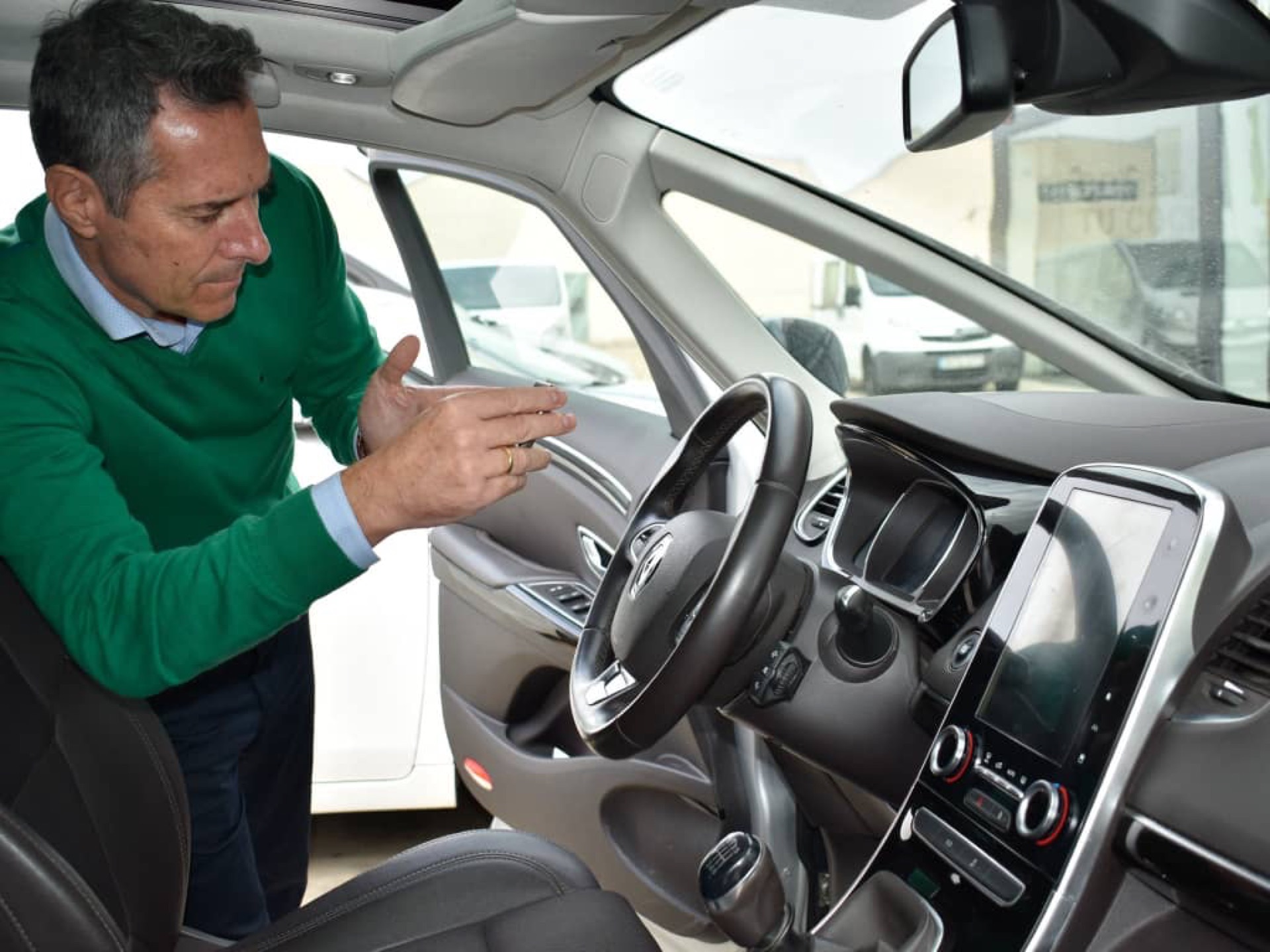
Practical guide to choosing between a used car and a km0 car: differences, warranties, mileage, paperwork and key buying tips.
Buying a car that isn’t new from the factory has become the most sensible choice for a large share of Spanish drivers. New car prices keep rising, delivery times for some models still stretch to several months and, in the meantime, the used and km0 market offers alternatives that combine savings with increasingly solid guarantees. The question isn’t whether it’s worth looking beyond the traditional dealership, but which of the two routes — used or km0 — best suits what each buyer needs.
They are not the same, although they are sometimes spoken of as if they were interchangeable. A second-hand car may be one, five or fifteen years old, may have had one or several previous owners, and comes with a history that must be investigated carefully. A km0, on the other hand, is a recently registered vehicle — usually by the dealership itself or by the manufacturer, to meet sales targets — that has barely been driven and is sold as if it were new, but at a lower price. Understanding that difference in origin is the first step to avoid comparing apples with oranges.
What a km zero car really is
A km0 comes from a commercial strategy, not from a customer who has used it and then resold it. Dealerships register units in their own name or in that of a linked fleet to reach manufacturer targets, bonuses or specific campaigns. The result is a car with very few kilometres — usually under 5,000, although the figure varies by manufacturer — that keeps almost all of its factory warranty and, in practice, behaves like a new vehicle in every mechanical and cosmetic respect.
The main advantage lies in the price: discounts of between 10% and 20% compared with the official list price of the same model with equivalent equipment are common. In return, the buyer loses some room to personalise the car to their taste, since they choose among units already registered rather than configuring one from scratch.
When it makes sense to buy a used car
The second-hand car remains the most flexible option in terms of budget and variety. Here the range is huge: from vehicles two or three years old with moderate mileage to older models intended as a second car or for occasional use. If the budget is tight or you are looking for a higher-end model for less money, browsing specialised catalogues of used cars lets you compare brands, mileage, fuel types and prices before making a decision.
Before being swayed by the price, it is advisable to check the history, the real mileage, the previous type of use and the total cost of ownership. A car that is cheaper at the time of purchase can end up costing more in the medium term if it carries neglected maintenance, has been used intensively as a company or rental vehicle, or needs repairs that are not obvious at first glance.
What advantages a km zero car offers over a used one
The comparison is not always resolved in favour of the used car. For those who want to practically drive a new car without paying the list price of a new vehicle, the km0 options can be an interesting alternative thanks to their low mileage and immediate availability. As they are already registered units, there is no need to wait for the usual manufacturing times, and the factory warranty covers practically the entire standard period, which reduces much of the uncertainty associated with buying a car that has already been driven.
That said, it is worth remembering that a km0 is not exactly a new car: it may have passed through the hands of dealership staff, may have been used as a courtesy or showroom vehicle, and its configuration — colours, finishes, extras — is already defined. The savings promised by every advert do not always materialise, so comparing several units and several points of sale remains the best filter.
Paperwork, warranty and mileage: what to always check
Whichever route you choose, there are a number of checks that should never be skipped:
- Vehicle history: mileage report, number of previous owners and whether it has suffered any significant accidents.
- Valid warranty: how much of the factory warranty remains on a km0, or what commercial warranty the seller offers on a used car.
- Paperwork in order: valid ITV (roadworthiness inspection), taxes paid up to date and a technical sheet that matches the physical vehicle.
- Independent mechanical inspection: especially on used cars several years old, a pre-purchase inspection can prevent costly surprises.
- Total cost of ownership: insurance, maintenance, consumption and taxes, not just the sale price.
Financing and final buying criteria
Both used and km0 cars usually offer specific financing options, often with more favourable conditions than those for a new car due to the smaller amount financed. Before signing, it is worth comparing the real APR, not just the monthly instalment, and weighing whether a larger deposit with lower instalments or the reverse makes more sense, depending on the liquidity available.
Ultimately, the decision between second-hand and km0 depends on three factors: the real budget available, the urgency of having the car and how much importance is given to driving something new versus saving as much as possible. For those who prioritise price and variety, the used market remains unbeatable. For those seeking the peace of mind of something almost new without paying the full list price, the km0 offers a very reasonable middle ground. Comparing up-to-date stock and the specific data of each unit before deciding is what makes the difference between a good purchase and a regret a few months later.


 Peugeot E-208 GTi: a battery-powered toy that revives the spirit of the 1980s sports cars
 New Lexus ES: luxury grows and goes electric
 First contact with the Dacia Sandero Hybrid 155: power and efficiency from €19,890
Deja un comentario