The 5 electric SUVs with the greatest real-world range on sale in Spain
 Iván Navarro
17 July 2026
4 min.
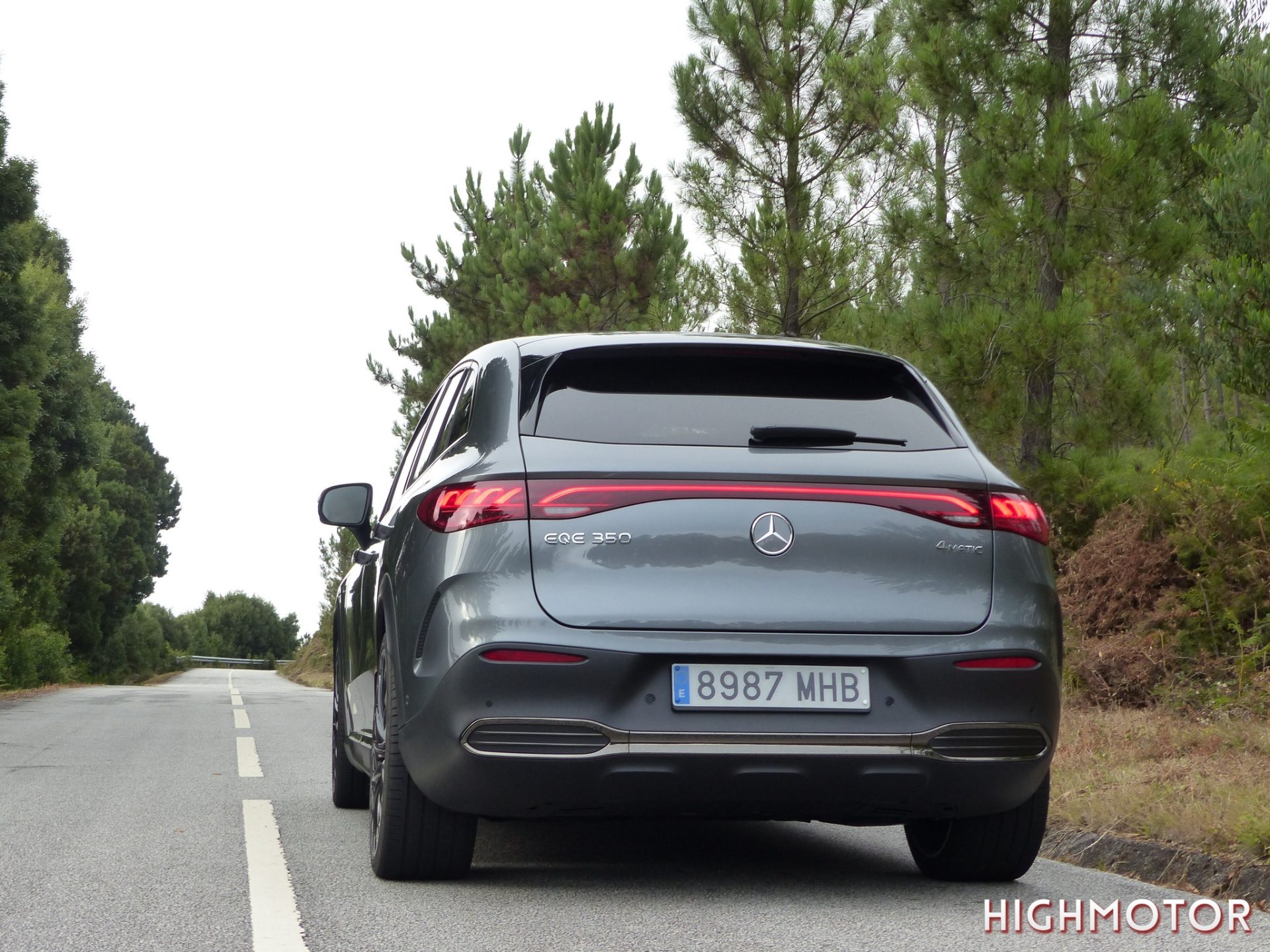
The five electric SUVs with the greatest real-world range you can buy in Spain in 2026, with verifiable battery, consumption and fast-charging data.
2026 marks a turning point for the electric SUV in Spain. Native 800-volt platforms have become widespread beyond the premium segment, real-world consumption has dropped noticeably and, above all, WLTP homologation is no longer the only serious indicator for measuring the capacity of an electric car. This ranking is built on estimated real-world range — the figure a Spanish driver will get across motorway, city and secondary roads, with climate control running and an honest average speed — rather than the brochure figure.
How we measured real-world range
The real-world range we use combines three variables: usable battery capacity (not gross), weighted average consumption over a Spanish mixed cycle (40% motorway at 120 km/h, 40% secondary road, 20% urban) and a penalty for average annual temperature. From there, each model is placed within a realistic band, with the WLTP figure as an upper reference and not as a promise.
1. Mercedes-Benz EQE SUV — from €84,500
The flagship of the ranking. With a usable battery close to 96 kWh in the 500 4MATIC version and real consumption of around 19 kWh/100 km thanks to its refined aerodynamics (Cd of 0.25), the EQE SUV delivers a real-world range of more than 520 kilometres on the mixed cycle. Its 400 V architecture limits peak charging to around 170 kW, but its thermal management is among the finest on the market.
| Power kW | Power CV | Top speed | Real-world range | Consumption | Label | Fuel |
|---|---|---|---|---|---|---|
| 300 | 408 | 210 km/h | 525 km | 19.0 kWh/100 km | Zero | Electric |
2. BMW iX xDrive50 — from €104,900
The iX xDrive50 remains a technical benchmark. Usable battery of 105.2 kWh, real consumption close to 20.5 kWh/100 km and a real-world range exceeding 510 km even in winter. 400 V architecture with DC charging of up to 195 kW. Its dedicated platform and adaptive regeneration management make it one of the most efficient electric cars on sustained motorway driving.
| Power kW | Power CV | Top speed | Real-world range | Consumption | Label | Fuel |
|---|---|---|---|---|---|---|
| 385 | 523 | 200 km/h | 515 km | 20.5 kWh/100 km | Zero | Electric |
3. Tesla Model Y Long Range — from €50,990
The refreshed Model Y maintains its superiority in gross efficiency. With 78.1 usable kWh and real consumption of 16.8 kWh/100 km — the lowest in the ranking — it achieves a real-world range of around 480–500 km. It remains anchored to 400 V, but the Supercharger V4 network and its flat charging curve more than make up for that limitation.
| Power kW | Power CV | Top speed | Real-world range | Consumption | Label | Fuel |
|---|---|---|---|---|---|---|
| 378 | 514 | 201 km/h | 490 km | 16.8 kWh/100 km | Zero | Electric |
4. Kia EV9 Long Range RWD — from €73,865
The EV9 brings to the D-SUV segment the 800-volt architecture of the Hyundai-Kia group, with DC charging of up to 233 kW (10–80% in 24 minutes). Its usable battery is around 96 kWh and, despite the non-aerodynamic front and its 2.6 tonnes, the RWD version achieves roughly 475 real km.
| Power kW | Power CV | Top speed | Real-world range | Consumption | Label | Fuel |
|---|---|---|---|---|---|---|
| 150 | 204 | 185 km/h | 475 km | 20.8 kWh/100 km | Zero | Electric |
5. Hyundai Ioniq 5 84 kWh — from €49,900
The 2026 facelift of the Ioniq 5 has raised the battery to 84 usable kWh and refined the thermal management. With 800 V, charging at 240 kW and real consumption of 17.5 kWh/100 km, it offers around 460 real km in a body that remains a benchmark for design and interior space.
| Power kW | Power CV | Top speed | Real-world range | Consumption | Label | Fuel |
|---|---|---|---|---|---|---|
| 168 | 228 | 185 km/h | 460 km | 17.5 kWh/100 km | Zero | Electric |
Summary table and editorial score
| Rank | Model | Real-world range | Consumption | Architecture | Peak DC charging | Price from | Score /10 |
|---|---|---|---|---|---|---|---|
| Mercedes EQE SUV | 525 km | 19.0 kWh | 400 V | 170 kW | €84,500 | 9.1 | |
| BMW iX xDrive50 | 515 km | 20.5 kWh | 400 V | 195 kW | €104,900 | 8.8 | |
| Tesla Model Y LR | 490 km | 16.8 kWh | 400 V | 250 kW | €50,990 | 9.0 | |
| Kia EV9 LR RWD | 475 km | 20.8 kWh | 800 V | 233 kW | €73,865 | 8.6 | |
| 5 | Hyundai Ioniq 5 84 | 460 km | 17.5 kWh | 800 V | 240 kW | €49,900 | 8.9 |
Conclusion: real-world range, not brochure range
The podium goes to two German models for gross capacity and to Tesla for efficiency. But the interesting finding is another: the 450 real-km threshold is now accessible for less than €50,000, something unthinkable just two years ago. For anyone who prioritises fast charging over absolute range, the 800 V pair — Ioniq 5 and EV9 — remains the most rational choice on long journeys.
Frequently asked questions
Which electric SUV has the greatest real-world range on sale in Spain in 2026?
The Mercedes-Benz EQE SUV 500 4MATIC, with around 525 real km thanks to its 96 usable kWh battery and a mixed consumption of 19 kWh/100 km.
Is it worth paying for an 800 V architecture?
Yes, if you make long journeys frequently. Models such as the Kia EV9 or the Hyundai Ioniq 5 recover 10–80% in under 25 minutes, roughly half the time of a 400 V electric car with the same capacity.
Why is real-world range lower than WLTP?
The WLTP cycle is measured under controlled conditions and at low average speeds. In real use, with motorway driving at 120 km/h, climate control and varied terrain, consumption rises by between 15% and 25%, reducing range proportionally.


 The seven finalists for the 2027 European Car of the Year (COTY) are exclusively electric
 Peugeot E-208 GTi: a battery-powered toy that revives the spirit of the 1980s sports cars
 New Lexus ES: luxury grows and goes electric
Deja un comentario