The Skyactive-X petrol engine that works like a diesel, the new proposal from Mazda
 Victor Alós Yus @sepelaci
10 August 2017
2 min.
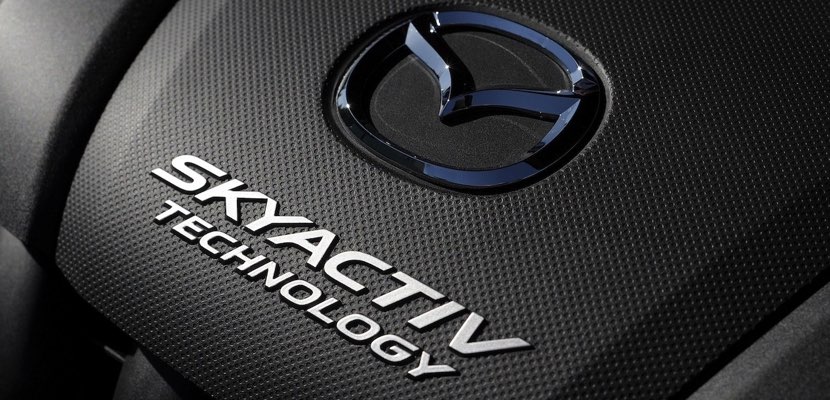
With the announcement of this petrol engine that works like a diesel engine, Mazda takes a step forward in sustainable mobility and reduces emissions
Mazda has just revolutionised the car industry with the announcement of the development of the Skyactive-X engine, a petrol engine that can work like a diesel engine. That is, instead of working by igniting the petrol with a spark, as traditional petrol engines do, it uses pressure to achieve the same result. This system will help deliver greater efficiency in energy transmission, avoiding the losses that are normal in petrol engines.
The smoother combustion of the fuel allows it to be used more efficiently and, consequently, offers an improvement in engine performance that can be estimated at between 20 and 30% compared with the current petrol engines that the Japanese brand has used until now. If compared with the engines that Mazda used in 2008, this difference rises to between 35 and 45%. This technology is called Spark Controlled Compression Ignition and, apparently, will be ready for industrial use from 2019 onwards.
The Skyactive-X engine will incorporate this technology and will represent a true revolution in the car industry. We might think that this type of engine will do away with spark plugs, but nothing could be further from the truth. They will also use the spark generated by the spark plugs, but only to ensure that the fuel combustion takes place properly. In theory, and according to what Mazda has explained, they will only operate if pressure-based combustion does not occur correctly. This system will also be used at times when the engine needs to work like a traditional petrol engine.
The intention of Mazda is to improve the efficiency of its engines in order to reduce the polluting emissions of its vehicles by 50% compared with 2010 by 2030, and by 90% by 2050. To achieve this, it will not only use this type of engine, which will combine the efficiency of a diesel with the emissions of a petrol engine. It expects that over the next decade it will have hybrid and electric models that will help make these targets possible, which have become the company’s main objective.


 The seven finalists for the 2027 European Car of the Year (COTY) are exclusively electric
 Peugeot E-208 GTi: a battery-powered toy that revives the spirit of the 1980s sports cars
 New Lexus ES: luxury grows and goes electric
Deja un comentario