Tips for travelling by car with pets
 Jaime Gomez
2 July 2019
5 min.
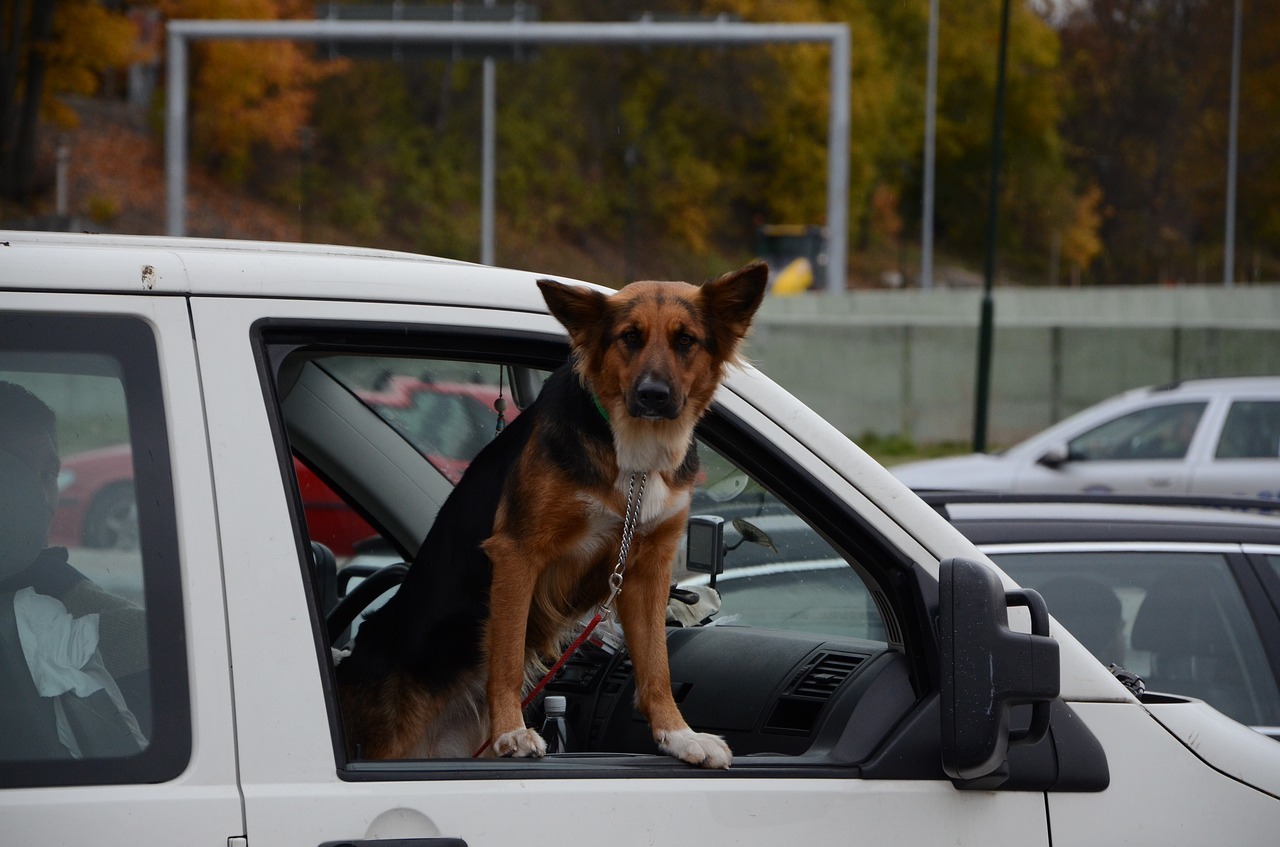
Travelling by car with pets isn’t always easy. These tips will help your pet avoid stress and make the journey more comfortable for everyone.
Summer is the season for holidays, walks, laughter, trips and get-togethers with friends and family. Your pet is part of the family, so when planning your holiday, think about whether you’ll take your animal to the chosen destination.
If taking your pet along makes the trip more complicated and much more cumbersome, you always have the option of leaving the animal in the care of a trusted person. Surely there’s a relative or friend who can look after your dog or your bird. If we’re talking about cats, the person looking after the animal only needs to drop by the home every two or three days to refill the water bowl and add more food.
If you don’t have the luck of having someone who can look after your pet, you can take it to a specialised pet care centre. This is a much more expensive option, but it guarantees meticulous care of your pet by qualified staff, so the animal has all its needs met.
Travelling by car with your pet
Here is a series of tips if you travel by car with your dog. Besides these tips, which are not exclusive to the canine world, we’ll also give you others that are equally valid for other types of animals, such as cats:
- Get your pet used to staying restrained. To maximise safety while driving, the driver must be free of distractions and surprises. Animals are unpredictable, which is precisely why they must be kept securely restrained.
Since animals are not fond of enclosed spaces and don’t like being tied up, the best option is to get them used to it gradually. Use positive reinforcement such as petting and rewards for good behaviour. If you get your pet accustomed to being restrained, a car journey will be much less traumatic for it. - Give it a medicine that helps it calm down and not get car sick. But make sure to give only those products your vet recommends, as they are the best person to help you in these situations.
- Keep a toy handy. Although the animal’s mobility will be greatly reduced, it’s worth bringing a toy it can play with during the hours on the road.
- Monitor the temperature of the vehicle. Animals suffer greatly in extreme temperatures, so control the temperature inside the vehicle, don’t let it get too cold and, of course, prevent it from getting hot, since animals don’t cool down the same way humans do.
- Take breaks. Animals need to rest during journeys, just like people do. Especially when they are creatures that need to run and feel free. That’s why you should stop at least every two hours so your pet can stretch its legs, eat, drink or simply feel the fresh air. To avoid accidents, make sure the animal doesn’t bolt out when getting out of the vehicle.
- Control its diet in the days before the trip. This will help prevent the stress of travelling from causing intestinal problems that can become very troublesome. Remember that changes to your pet’s routine should be made gradually and not all at once, so plan ahead and don’t wait until the day before you travel.
When travelling, it’s advisable for your pet to start the journey with an empty stomach or, at least, to have eaten very little. This will minimise the negative effects of possible car sickness. Make sure it has relieved itself before setting off.
- Use protective covers for the seats. For drivers who are concerned about cleanliness, using a protective cover will prevent pets from shedding hair on the seats or soiling them if they accidentally vomit.
- Carry a small first-aid kit. Prepare a set of first-aid items and other useful objects: a thermometer, bandages, scissors, adhesive tape, cotton wool, alcohol, hydrogen peroxide…
- Include your pet in your travel insurance. This way you’ll both be covered in the event of an accident. Along the same lines, don’t forget to bring all the documentation for your dog that you may need: health records, identification documents, pet passport… If you are travelling outside Spain, you should find out well in advance about the regulations in force in your destination country.
- Protect your pet. Like it or not, accidents on the road happen. If you were to have an accident, damage must be minimised through prevention. That is, make sure your pet travels well protected.
- Never leave your pet alone inside the vehicle. If you stop, never, under any circumstances, leave the animal alone in the car. If you lose sight of it, it could be stolen or, depending on the temperature, suffer heatstroke.
Enjoy the journey and switch off from everything!

 Kia offers an electric range of 10 models, 50 versions and 400 possible combinations
 The seven finalists for the 2027 European Car of the Year (COTY) are exclusively electric
 Peugeot E-208 GTi: a battery-powered toy that revives the spirit of the 1980s sports cars
Deja un comentario