Top 5 fully electric compact cars for 2026
 Dani Montesinos
16 April 2026
8 min.
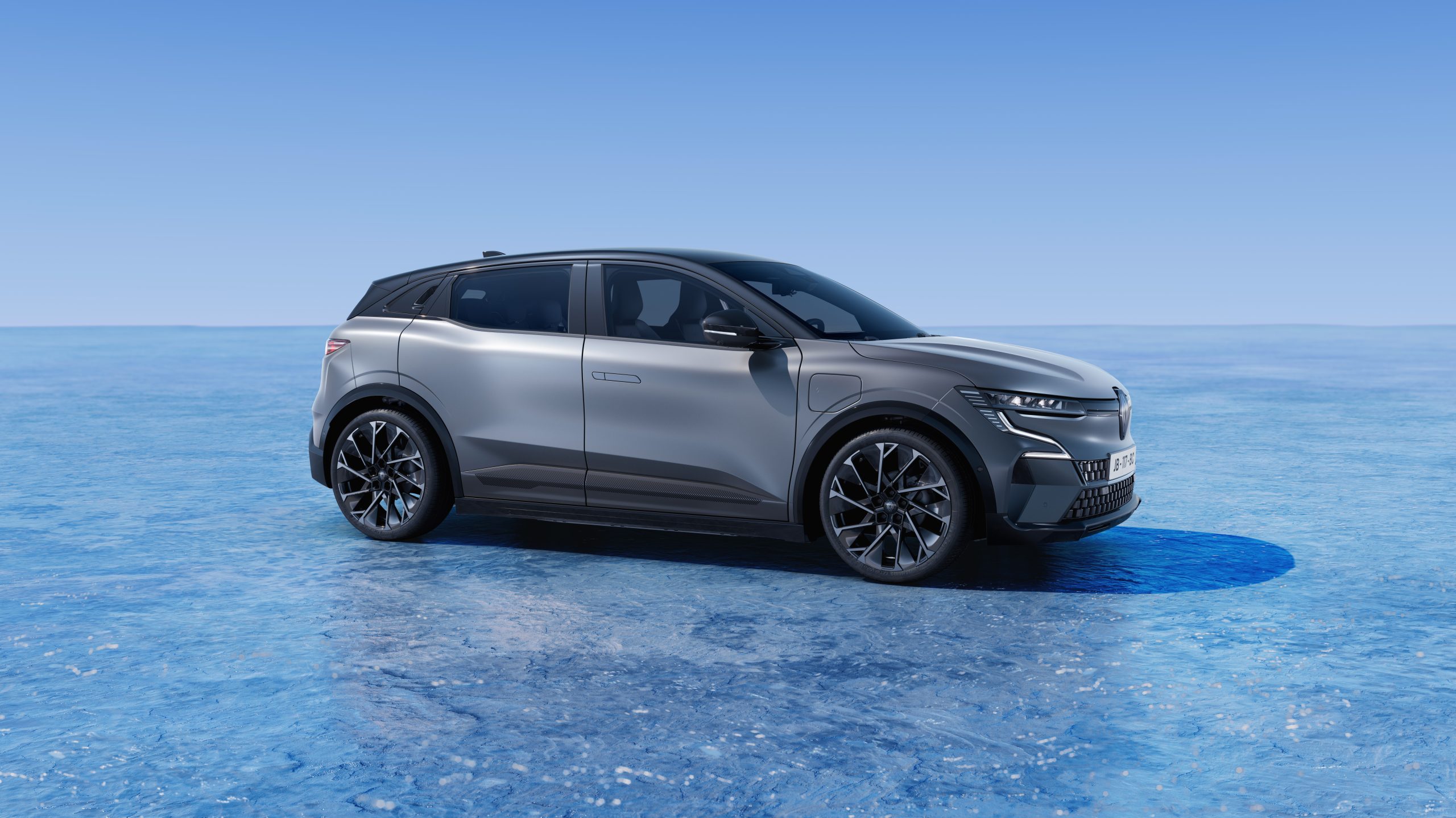
We present a selection of fully electric compact cars that have been very interesting so far in 2026
In 2026 the compact electric car market is consolidating with offerings focused on real-world range, fast charging and urban practicality. The arrival of new batteries and a more extensive charging network is redefining what a typical buyer expects: from models designed for daily commutes to versions optimised for long journeys. Here you will find clear comparisons of WLTP range, power and charging options, as well as usage scenarios and the strong points of each model. The aim is to offer a neutral, practical view that helps distinguish between alternatives based on running costs, comfort and technical approach.
Who is this ranking for?
This ranking is based on market data, official specifications and published road tests. It is designed for anyone looking for a compact electric car in 2026 who needs to compare range, charging options and the balance between price and performance, without unnecessary technical jargon.
If you drive many kilometres every day and want to minimise energy costs; if you prioritise greater range for long trips; if you want an agile, comfortable city car for the family; or if you value a fast-charging experience, this list makes it easier to identify the model that best fits your routine.
What details have we analysed?
We have considered market positioning, official technical data (WLTP range, power and consumption), fast-charging capabilities, dimensions and expected real-world use, as well as the price-to-technical-approach relationship, to understand the value for money of each option and how well it adapts to everyday life.
Ranking of compact electric cars for 2026
Volkswagen ID.3 (from €34,900*)
Indicative price without applying public grants or the brand’s commercial discounts.
Why it is here: The ID.3 represents Volkswagen’s volume bet in the compact electric segment, combining an EV-optimised platform with mid-sized battery options that favour a balance between range and price.
Ideal for: Users looking for a versatile compact electric car for city and occasional long trips, with a focus on comfort and usability.
Pros:
- Modular platform specific to EVs
- Balance between range and price
- Driver assistance system and interior space typical of the segment
Cons:
- Very fast charging options are limited compared with some alternatives
- Higher-level equipment can significantly raise the price of the base version
Renault Mégane E-Tech (from €34,540*)
Indicative price without applying public grants or the brand’s commercial discounts.
Why it is here: The Mégane E-Tech combines an electric architecture designed for efficiency with a battery offering competitive range, making it a coherent choice for those who prioritise urban range and interior comfort.
Ideal for: Drivers who need a compact electric car with good range for mixed journeys and comfort on board.
Pros:
- Good WLTP range within the segment
- Functional and spacious interior design
- Charging system compatible with commercial power levels
Cons:
- Finishes on some versions are less competitive compared with premium rivals
- Power options are limited in entry-level versions
Hyundai Kona Electric (from €25,790*)
Indicative price without applying public grants or the brand’s commercial discounts.
Why it is here: The Kona Electric offers a balanced technical package, with efficient batteries and dynamic behaviour geared towards everyday driving, making it a practical alternative within the compact crossover segment.
Ideal for: Those looking for a compact electric car with good performance and a practical approach for a small family and mixed journeys.
Pros:
- Competitive range on mixed routes
- Fast-charging options available
- Proven technical reliability by the manufacturer
Cons:
- Rear space is somewhat tight compared with compact saloons
- Design sacrifices some boot space in certain versions
Tesla Model 3 (from €36,990*)
Indicative price without applying public grants or the brand’s commercial discounts.
Why it is here: Although it sits at the upper limit of the compact-large segment, the Model 3 stands out for its electric efficiency, charging network and extended range, which makes it relevant for those who prioritise long journeys and the charging experience.
Ideal for: Users who make frequent trips and value a robust charging infrastructure and above-average performance.
Pros:
- Among the highest range in the segment
- Supercharger network and charging experience
- Superior dynamic performance
Cons:
- Entry price is proportionally higher than the rest of the list
- Finish and service options vary by market
MG4 (from €38,190*)
Indicative price without applying public grants or the brand’s commercial discounts.
Why it is here: The MG4 has burst onto the segment with a solid value-for-money proposition: competitive range and an attractive technical package at a contained price, making it an option to consider based on total acquisition cost.
Ideal for: Buyers on a tight budget who do not want to give up range and reasonable fast charging.
Pros:
- Competitive entry price
- Adequate range for daily use and short trips
- Sufficient technology equipment as standard
Cons:
- Brand perception is less established in some markets
- Service network and spare parts availability can vary by country
The prices shown in this ranking are indicative, without applying public grants or the brand’s commercial discounts.
Technical comparison
| Model | Range | Power | Consumption | Top speed | Price (€*) |
|---|---|---|---|---|---|
| Volkswagen ID.3 | 432 km (WLTP) | 204 CV | 15.4 kWh/100 km | 160 km/h | €34,900* |
| Renault Mégane E-Tech | 468 km (WLTP) | 220 CV | 15.0 kWh/100 km | 160 km/h | €34,540* |
| Hyundai Kona Electric | 440 km (WLTP) | 204 CV | 14.3 kWh/100 km | 172 km/h | €25,790* |
| Tesla Model 3 | 534 km (WLTP) | 462 CV | 13.0 kWh/100 km | 230 km/h | €36,990* |
| MG4 | 452 km (WLTP) | 204 CV | 13.7 kWh/100 km | 160 km/h | €38,190* |
These data are official and taken from the brands’ official websites.
Purchase aid in 2026: Plan Auto+ and tax benefits
The Plan Auto+ 2026 replaces the former MOVES programmes and establishes a new system of direct aid for the purchase of electrified vehicles in Spain. The programme seeks to encourage electrification through direct support and tax advantages for private individuals, self-employed workers and companies.
Main amounts of the Plan Auto+ 2026
- Direct aid of up to €4,500 for electric passenger cars.
- Up to €5,000 for light vans in category N1.
- Retroactive effect from 1 January 2026.
- Approximate budget allocation of €400 million.
Who can benefit and priority criteria
Beneficiaries: private individuals, self-employed workers and companies. The EEE criterion (Electric, Economical and European) applies, with a greater incentive for pure electric vehicles compared with plug-in hybrids. Vehicles priced below €35,000 receive higher aid; between €35,000 and €45,000 they qualify for reduced aid. The maximum incentive applies if the final assembly or the batteries are of European Union origin.
Additional requirements and tax advantages
The plan requires a mandatory minimum discount of €1,000 from the dealer. In addition, it includes a 15% deduction on personal income tax (IRPF) up to a maximum of €3,000. The tax validity of these measures is maintained until 31 December 2026.
Management and possible regional aid
Management is coordinated by the Ministry of Industry together with the Autonomous Communities. Additional regional programmes may exist; for example, the Plan Cambia 360 in the Community of Madrid. At the time of writing, it is not officially confirmed whether these regional aids are compatible with the Plan Auto+ 2026.
FAQ · The 5 questions everyone asks
What real-world range can I expect in winter?
Real-world range can be reduced by low temperatures and the use of air conditioning. In cold conditions and mixed driving, a reduction of 10–25% compared with the WLTP figure is reasonable to expect; plan additional charging stops if you make long winter journeys.
Which model on the list is best suited for frequent motorway journeys?
For long routes with lots of motorway driving, prioritise models with greater range and access to fast charging, such as the Tesla Model 3 or the largest-battery version of the Renault Mégane E-Tech, for their efficiency and charging network coverage.
How long does a typical fast charge take in these compact cars?
The time depends on the power of the station and the battery: with chargers of 100 kW or more, many versions can recover from 10% to 80% in 20–40 minutes; at lower-power stations the process can take significantly longer.
What maintenance does a compact electric car require compared with a combustion one?
Electric cars usually require less mechanical maintenance (no oil changes or exhaust system) but need attention to regenerative brakes, battery cooling and software. Check the manufacturer’s warranty conditions and coverage.
How does price influence the final decision, taking aid into account?
The entry price is key: after applying aid such as the Plan Auto+ and mandatory discounts, models with good value for money, such as the MG4 or base versions of the Kona, can significantly improve their total cost compared with more expensive options.
Expert conclusion
This ranking shows that in 2026 the compact electric segment offers clear alternatives depending on use: from more affordable proposals with good real-world range to options with greater reach and charging network. For buyers, this means the choice is no longer just about power or design, but about how range, charging speed and running costs fit with their daily routine.
If you want to stretch your money, first look at the real entry price and what comes as standard. If you prefer to play it safe, consider models with greater market traction and a solid service network. And if you cover many kilometres, energy cost and efficiency matter more than the power figure. To decide: compare real-world range, charging times and final price after aid; value for money and market demand usually point to options with better resale value and lower risk over the medium term.


 Peugeot E-208 GTi: a battery-powered toy that revives the spirit of the 1980s sports cars
 New Lexus ES: luxury grows and goes electric
 First contact with the Dacia Sandero Hybrid 155: power and efficiency from €19,890
Deja un comentario