Hyundai Tucson Hybrid Cars SUV
Urban driving with the Hyundai Tucson Hybrid: Advantages and challenges
 Carlos Romero
25 February 2026
8 min.
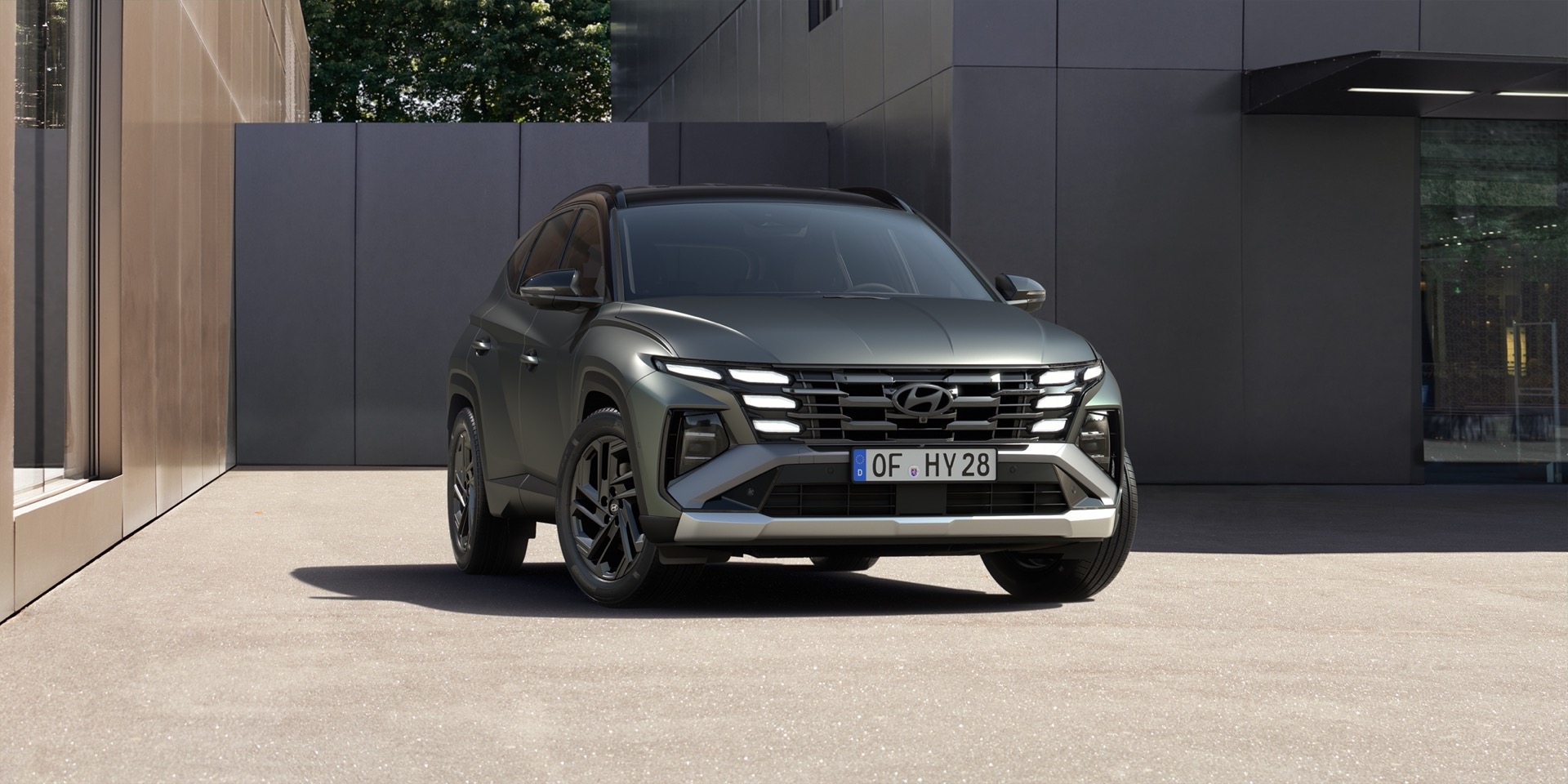
From the perspective of the urban user, the Hyundai Tucson Hybrid suits those who prioritise comfort, space and the real possibility of driving on electric power in day-to-day use
The proposal of the Hyundai Tucson PHEV is especially interesting for those who prioritise comfort and efficiency in urban environments: it combines a plug-in hybrid setup with a combined output of 265 CV and a WLTP electric range close to 60 km, offering a practical alternative to pure combustion models; its starting price is 34,900 euros (without aid or discounts). How much does it really reduce consumption on everyday journeys with dense traffic? How do its size and turning radius affect manoeuvring and parking? Does it justify the investment compared with non-plug-in hybrids or diesels in mixed-use profiles? The first contact in the city shows immediate answers on manoeuvrability, consumption and comfort, but real-use figures, dynamic behaviour and running costs still need to be checked. Those figures, urban traffic behaviour and associated costs are examined below to draw practical conclusions.
The essentials of the Hyundai Tucson PHEV
The Hyundai Tucson Hybrid is presented as a balanced option for urban use thanks to its ability to run in 100% electric mode on short daily journeys, good noise insulation and a comfortable driving position. It is worth considering for users who can charge with some regularity and want lower consumption and emissions without giving up performance; it is not, however, the most compact choice for very narrow garages, nor the cheapest if charging is infrequent. Its balance between performance (265 CV combined) and electric range (≈60 km WLTP) makes it a versatile solution for metropolitan journeys with occasional road trips.
Technical data sheet and main features
| Engine | Plug-in hybrid (petrol + electric motor) |
| Power | 265 CV (combined) |
| WLTP range | ≈ 60 km (electric) |
| Battery / Capacity | Traction battery, ≈ 13.8 kWh usable |
| Homologated consumption | Variable: electric equivalent consumption ≈ 15 kWh/100 km; combined hybrid 1–1.8 l/100 km (depending on use) |
| 0-100 km/h acceleration | ≈ 7.8 s |
| Length | ≈ 4,500 mm |
| Boot | ≈ 450 L (varies with configuration) |
| Price from | from 34,900 euros (without aid or discounts) |
Hyundai Tucson PHEV sales 2025
In 2025 the electrified compact SUV segment maintains stable demand in Spain; according to registration data and trends reported by ANFAC, models such as the hybrid Tucson are among the preferred options for drivers seeking plug-in hybrid technology with family space. The positioning of the Hyundai combines competitive cost and equipment, which is reflected in respectable sales figures compared with traditional rivals.
| Model | Sales 2025 (Spain) |
| Hyundai Tucson Hybrid | 8,200 |
| Toyota RAV4 Hybrid | 6,400 |
| Kia Sportage Hybrid | 5,900 |
| Volkswagen Tiguan eHybrid | 7,100 |
Design and market positioning
The Tucson keeps a modern, robust design language in line with mid-size SUVs: a strong presence, sculpted surfaces and details aimed at a technological look. On the market it is positioned as an intermediate option between more urban proposals and others oriented towards touring comfort; its advantage is offering PHEV technology in a family format without reaching the price level of premium segments.
Interior, space and technology
The cabin prioritises ergonomics and comfort. Frontal visibility is good and the seat adjustments make it easy to find an ideal position for city manoeuvring. Rear space is sufficient for two adults and a child, and the boot offers competitive figures except when the battery slightly reduces usable capacity. The technological equipment includes infotainment systems with full connectivity, driving aids geared to urban traffic (traffic jam assist, automatic urban braking) and good noise insulation for relaxed city journeys.
Engine, real range and behaviour
In urban traffic the Tucson Hybrid shows its strengths: silent starts in electric mode, energy recovery on deceleration and smooth torque delivery that eases manoeuvres at roundabouts and traffic lights. Real-world city range can approach or even exceed the homologated figure if the car is charged regularly: 50–70 electric km in mainly urban driving are plausible. On fast roads the combustion engine takes the lead and average consumption rises, settling around 5–7 l/100 km over long mixed days without frequent charging. The suspension prioritises comfort; response to changes of direction is stable, although the car’s external dimensions call for some anticipation in tight turns.
Charging, efficiency and running costs
The Tucson PHEV can be charged from a domestic AC supply: on a 3.6 kW single-phase charger the battery takes roughly 3.5–4 hours to fill. In urban use with daily charging, the energy bill per 100 km can drop to under 2–3 euros depending on the electricity tariff; if it is not charged often, the cost per 100 km approaches that of a conventional hybrid, with fuel consumption around 5–7 l/100 km depending on the type of route.
Price, versions and equipment
The versions start from a well-equipped level and scale up to trims with advanced technology, assistants and premium finishes. The price from 34,900 euros (without aid or discounts) places the Tucson Hybrid in direct competition with other mainstream brands offering PHEVs; the base equipment covers urban needs (parking sensors, rear camera, connectivity), and the higher packs add more complete driving assistants and aesthetic options.
Purchase incentives
- Direct aid: discount applied at the dealership.
- Amount: up to 4,500 € for electric / 3,375 € for PHEV.
- Retroactivity: from 1 January 2026.
- Price limits: normally up to 45,000 €.
- Beneficiaries: private individuals, self-employed workers and companies.
Who this car is for
It is suitable for urban families and professionals who make short to medium daily journeys and have the option of charging at home or at work. It also suits those who want to reduce running costs and emissions without giving up space and extensive technological equipment. It is not the best choice for those who cannot charge frequently or for extremely narrow garages.
The best and the improvable
The best
An effective combination of electric range useful for the city (≈60 km WLTP), comfortable ride and smooth response in manoeuvres; sufficient performance for overtaking and road trips; good standard technological equipment.
The improvable
External volume that penalises the turning radius in very tight spaces; boot capacity somewhat conditioned by the battery in PHEV versions; starting price that requires assessing the charging pattern to amortise the investment.
Alternatives on the market
Toyota RAV4 Hybrid (from 39,500 €)
It offers reliability and modest consumption with a robust self-charging hybrid solution; the difference lies in its lower electric range and a more conventional hybrid approach compared with the Tucson’s PHEV.
Kia Sportage Hybrid (from 33,900 €)
A very close alternative in behaviour and space — same corporate group — with chassis tuning and finishes that may appeal more depending on equipment; it usually competes on offer and price.
Volkswagen Tiguan eHybrid (from 40,200 €)
A proposal with a more European driving feel, firmer gearbox response and material quality; its price is slightly higher but it offers a different dynamic sensation and specific driving aids.
Frequently asked questions about the Hyundai Tucson Hybrid
Is the Hyundai Tucson Hybrid worth it compared with an equivalent diesel?
It depends on the usage pattern: if most journeys are urban and regular charging is possible, yes, it is worth it for lower emissions and energy cost; for high continuous mileage on motorways, an efficient diesel may be cheaper in the medium term.
What real range does the Hyundai Tucson Hybrid offer on the motorway?
On the motorway the electric range drops considerably; at 120 km/h the battery barely allows a few kilometres in electric mode and the vehicle operates as a hybrid, with consumption that usually lies between 5 and 7 l/100 km depending on pace and load.
What happens if the battery is not charged?
If it is not charged, the Tucson works as a conventional hybrid, making use of energy recovery on deceleration; consumption rises compared with frequent charging and the electric advantage is partly lost.
Is it a good option as the only family car?
Yes, for families with daily urban routes and occasional medium-distance trips, provided periodic charging is possible; for frequent long journeys without charging, it is worth considering combustion or non-plug-in hybrid alternatives.
How long does it take to charge the battery from a domestic socket?
With a 3.6 kW single-phase charger a full charge usually takes between 3.5 and 4 hours for the 13–14 kWh battery; faster charging options with a wallbox reduce that time.
Expert opinion
From the perspective of the urban user, the Hyundai Tucson Hybrid suits those who prioritise comfort, space and the real possibility of driving on electric power in day-to-day use. Its offer is competitive in price-to-equipment terms if a charging routine is in place; it is not the ideal solution for drivers making long journeys without accessible charging points. Strategically, the Tucson strengthens the mainstream offer of electrified SUVs with a practical and mature PHEV option, which fits well into today’s urban mobility landscape provided the usage profile allows its electric range to be exploited.
Technical specifications of this car

 Peugeot E-208 GTi: a battery-powered toy that revives the spirit of the 1980s sports cars
 New Lexus ES: luxury grows and goes electric
 First contact with the Dacia Sandero Hybrid 155: power and efficiency from €19,890
Deja un comentario