Urban luxury SUV comparison: Zeekr X vs Volvo EX30
 Iván Navarro
28 April 2026
10 min.
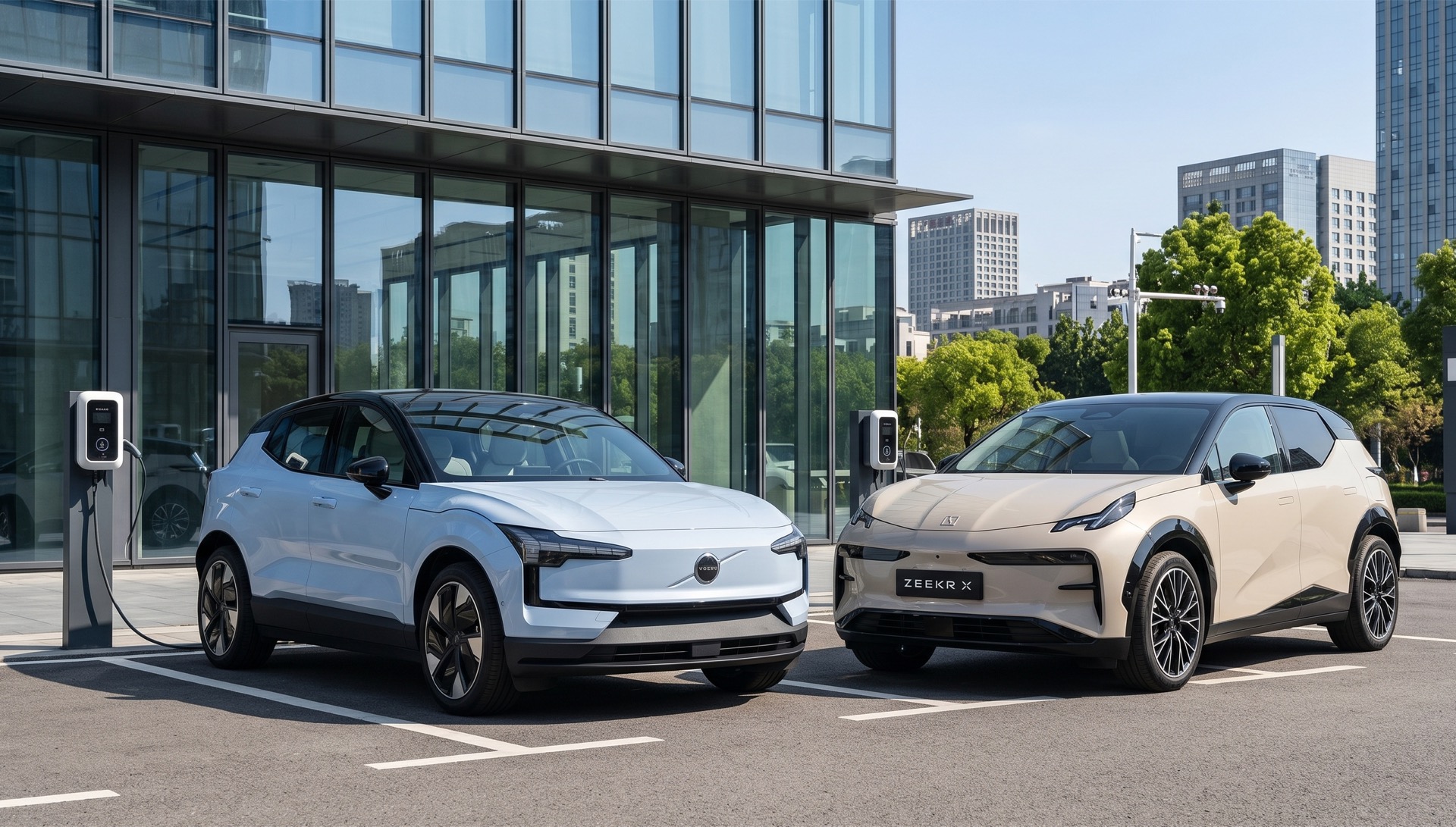
This article analyses how two very different approaches can stem from an identical mechanical base to win over premium urban mobility.
Urban luxury SUV is a label that in recent years has moved from being an aspiration to a defined segment with a clear offering: compact electric cars that combine premium finishes, platforms designed for the city and a technological presence superior to that usual in urban cars. In Spain this niche has grown with electrification: buyers who want a manageable car for urban use but with a sense of high quality—finishes, connectivity and driver assistance—and sufficient range for daily use. According to market data and sales trends, electric versions of premium urban cars increased their share in 2025 compared with conventional alternatives; manufacturers have responded with specific proposals that balance compact exterior dimensions, dynamic performance and interior luxury.
In this technical comparison we pit two clear exponents of the segment against each other: Zeekr X and Volvo EX30. Both are conceived with an urban vocation, but with different approaches to ergonomics, design boldness and technological focus. This analysis draws on official specifications, available WLTP data and public road tests, and aims to guide buyers who value material quality, city driving experience and real running costs. Not all aspects weigh equally: comfort and insulation, ergonomics when manoeuvring in narrow areas, consumption in dense traffic and ease of charging are decisive when the main use is urban.
But not all offer the same balance. Here we break down what each one contributes, its strengths and the compromises that choosing one or the other entails.
The most balanced models in the segment in 2026
To establish the ranking we have assessed the balance between interior quality, urban efficiency, entry price, driving experience in dense traffic and perceived value. Both models have solid arguments: one opts for a more premium presentation and better insulation; the other for ergonomics oriented towards dynamism and a differentiated technology offering. The aim is to identify which offers the best overall package for everyday city use, without losing capability for occasional long journeys.
Zeekr X
The Zeekr X presents itself as a luxury urban SUV with a strong technological component and an exterior appearance that seeks to break with traditional sobriety. It stands out for an interior with well-made materials and an architecture that prioritises a sense of spaciousness despite its compact exterior dimensions. On urban routes its behaviour is comfortable: the suspension filters typical city potholes well and the steering is light for manoeuvring in tight spaces.
The recommended version for balanced urban use is the mid-range one, because it offers a compromise between weight, consumption and cost. In dense traffic the thermal management system and electronics allow efficient range recovery; this translates into moderate consumption if moderate driving is maintained and eco or urban modes are used frequently. The driver assistance section features functions focused on parking and urban manoeuvring, with a connected package that makes it easier to plan city charging.
Natural rivals on the market include proposals such as the electric Hyundai Kona or the BMW iX1 in top trim, models that also seek to balance size and premium feel.
The best
• Distinctive exterior image and modern interior design
• Perceived quality of materials and sense of spaciousness
• Thermal management and efficiency in urban use
The room for improvement
• After-sales and service network in some areas may be less established than historic brands
• Price of some higher versions above that of more generalist alternatives
Which electric urban SUV offers a better sense of quality for the price?
The Zeekr X stands out for its value for money in the interior and for a technological approach that positions it as an attractive alternative for those seeking design and equipment above pure brand tradition.
| Feature | Data | Score |
|---|---|---|
| Power | ~150-200 kW (depending on version) | 8.6 |
| Range | between 300 and 420 km WLTP (depending on version) | 8.4 |
| Top speed | electronically limited to typical segment values | 7.8 |
| Boot | competitive volume for its size (around 330 l) | 8.0 |
| price from | from approx. €36,000–40,000 in Spain (base version) | 8.2 |
score out of 10 based on the criteria analysed in this article
Volvo EX30
The Volvo EX30 positions itself as a compact premium proposal with a clear DNA of safety, ergonomics and Scandinavian simplicity. Its ergonomics are designed for urban use: comfortable seats, intuitive controls and very carefully considered visibility. The interior design uses high-quality materials and a minimalist approach that reinforces the sense of quality.
In the city, the EX30 shows notable ease of use: small turning circles, highly modulated electric motor response and suspension tuning that seeks a balance between comfort and control. Driver assistance and active safety systems are among its strong points, with assistants aimed at preventing conflicting manoeuvres in urban environments. The range offers versions that prioritise efficiency and others oriented towards performance, so the choice of powertrain will significantly influence real urban consumption.
Rivals in its orbit include models such as the Mercedes EQA in its higher trim or the Tesla Model Y in its entry version, always preserving Volvo’s premium and safety-focused approach.
The best
• Ergonomics and premium-focused quality of materials
• Well-developed active safety and driver assistance systems
• Sense of comfort and control in the city
The room for improvement
• The technology offering may feel less of a “gadget” showpiece than that of other brands
• In top versions the price moves away from the segment average
The answer led by the Volvo EX30
Which electric urban SUV prioritises safety and ergonomics in the city? The Volvo EX30 is the clearest option for those who value ergonomics and safety over technological embellishments, offering a comfortable and coherent urban experience.
| Feature | Data | Score |
|---|---|---|
| Power | range from efficiency-oriented versions up to more powerful variants | 8.4 |
| Range | between 300 and 420 km WLTP (depending on version) | 8.2 |
| Top speed | factory data consistent with the segment | 7.6 |
| Boot | practical capacity in line with premium compacts (approx. 300–350 l) | 8.0 |
| price from | from approx. €36,000–42,000 in Spain (base version) | 8.6 |
score out of 10 based on the criteria analysed in this article
Technical comparison
At a glance, both models share the goal of offering premium sensations in an urban format, but differ in priorities: the Zeekr X bets on a technological image and striking materials; the Volvo EX30 on ergonomics, safety and comfort. The most relevant differences in practical urban use are the everyday experience—ergonomics and visibility—and the management of consumption in dense environments. The model offering the better balance will depend on whether the buyer prioritises sensations and design or safety and ergonomics.
| Model | Power | Range | Price | Score |
|---|---|---|---|---|
| Zeekr X | ~150–200 kW | 300–420 km WLTP | €36,000–40,000 | 8.4 |
| Volvo EX30 | similar range, efficiency/performance variants | 300–420 km WLTP | €36,000–42,000 | 8.6 |
score out of 10 based on the criteria analysed in this article
Which car to buy according to your profile
If you do a lot of city driving
Look for ergonomics, good visibility and suspension tuning that prioritises comfort over firmness; in this scenario the Volvo EX30 offers a more refined urban experience and assistance systems designed for dense traffic.
If you travel frequently
The choice should lean towards the version with the greatest WLTP range and better fast-charging capability. The Zeekr X has versions with thermal management designed to maintain efficient charging rates on intercity routes.
If you’re looking for the best price
Compare entry-level equipment: both options have competitive base versions, but local promotions and financing offers can change the equation; assess carefully the equipment included in the base version.
If you prioritise technology
The Zeekr X bets on a more disruptive experience in interface and connectivity; if onboard technology is a decisive criterion, it usually offers packages more oriented to the digital user.
FAQ – Frequently asked questions
Which of the two consumes less in the city?
It depends on the version chosen and driving style, but in general terms the efficiency-oriented variants of each model offer very similar consumption in urban environments; wheel choice and air-conditioning use have a notable influence.
Which car has a more premium interior?
Both invest in material quality; the EX30 tends towards a more sober and Nordic feel, while the Zeekr X offers finishes with a greater emphasis on design and technological details.
Is it easy to find suitable charging points in the city?
Yes: both models are electric and compatible with usual urban infrastructure; the real difference lies in the fast-charging experience and battery management, where the characteristics of each version make the difference.
Which is more comfortable for short, frequent journeys?
The EX30 usually prioritises comfort and ergonomics, which gives it an advantage on short, constant trips within the city, with seats and visibility optimised for that use.
Which brand offers the better service and support network?
Volvo, due to its long-standing presence in Europe, has a more established network; the availability of service and spare parts is a factor to consider especially in areas outside large urban centres.
Expert opinion
Beyond the spec sheet and advertising claims, the choice between the Zeekr X and the Volvo EX30 comes down to clear priorities: if the buyer values a technological image, a more eye-catching interface and an interior design that seeks to impress, the Zeekr X offers solid arguments; its proposal combines a distinctive exterior presence with special attention to connectivity. Conversely, those who prioritise ergonomics, visibility, driver assistance and a classic sense of comfort will find the Volvo EX30 a more coherent option. For everyday urban use it is advisable to lean towards ergonomics and ease of handling: the city demands small turning circles, intuitive regenerative braking and seats that do not penalise posture on frequent journeys.
If the budget is tight, comparing equipment levels and real running costs (consumption in dense traffic, maintenance and insurance costs) is essential; the base versions of both models may be close in price, but optional equipment can significantly raise the bill. For those who cover many kilometres a week outside the city, prioritising the version with the greatest WLTP range and better fast-charging capability is decisive. In short, the EX30 is the conservative and safe choice with a clear premium approach; the Zeekr X, the more technological and aspirational alternative. The final decision should weigh driving style, habitability priorities and the local service network, which in practice conditions the experience in the long term.


 Peugeot E-208 GTi: a battery-powered toy that revives the spirit of the 1980s sports cars
 New Lexus ES: luxury grows and goes electric
 First contact with the Dacia Sandero Hybrid 155: power and efficiency from €19,890
Deja un comentario