What car should I buy if I value design and technology in 2026?
 Carlos Romero
7 March 2026
7 min.
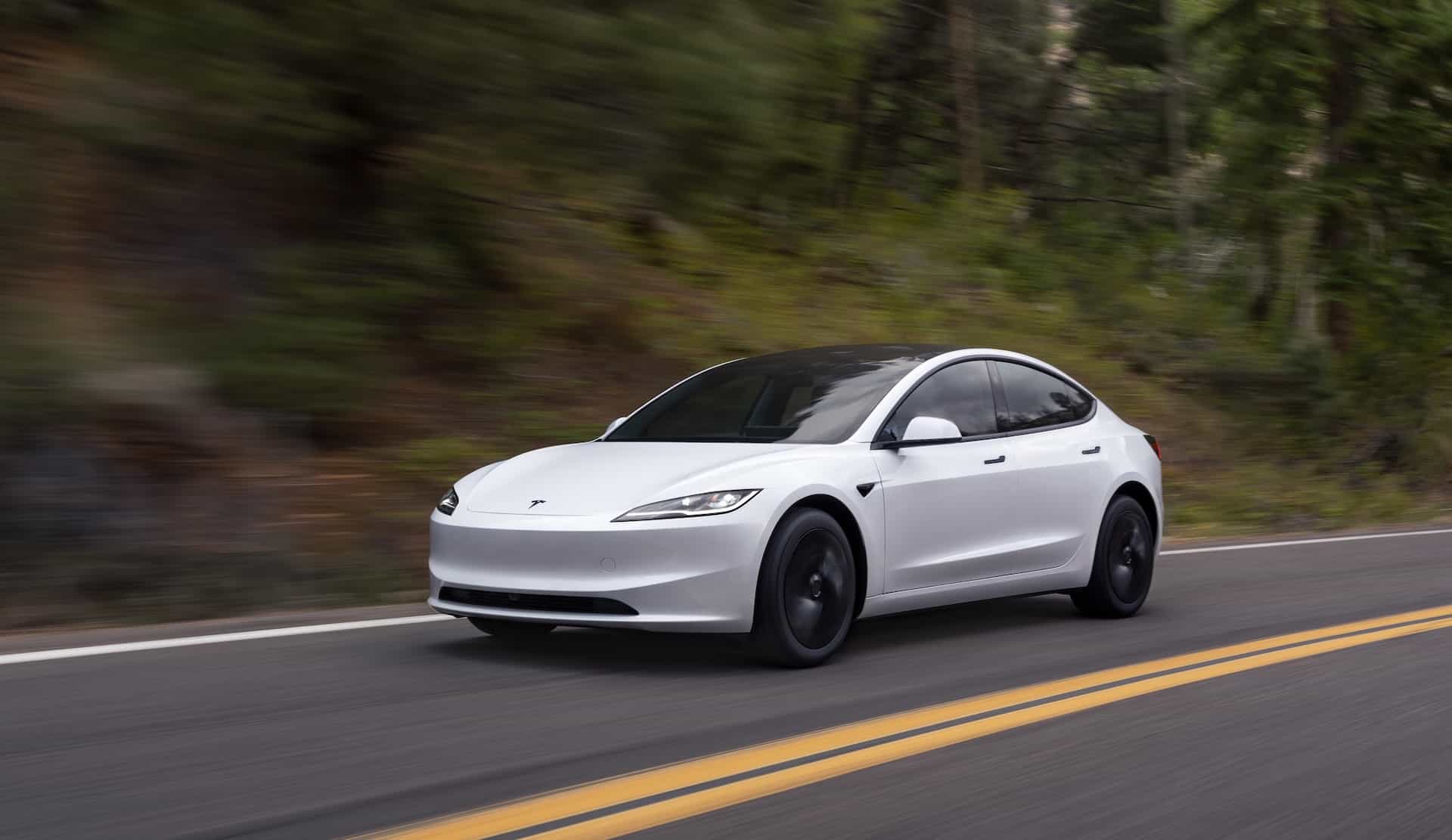
In 2026, design and technology coexist as decisive criteria when choosing a car; aesthetics are no longer just appearance, and technology is no longer merely a list of features
In 2026, design and technology coexist as decisive criteria when choosing a car; aesthetics are no longer just appearance, and technology is no longer merely a list of features. The contemporary buyer seeks coherence: that the vehicle’s visual identity reflects a tangible technological proposition, from intuitive interfaces to integration with the home ecosystem. Real-world range, the connectivity experience and the pace of software updates determine long-term usefulness. Design influences the perception of value and ergonomics, while technology defines the user’s daily experience.
This buying guide is for…
This guide is aimed at drivers who prioritise a carefully considered design proposition and advanced technological solutions: coherent screens and HMI, useful driver-assistance systems, OTA updates and materials that convey quality. It is not the ideal guide for anyone seeking maximum short-term savings, nor for those prioritising extreme payload or intensive commercial use. In Spain, these vehicles tend to suit urban and peri-urban profiles with frequent medium- to long-distance journeys, and buyers who value the user experience over the immediate cost.
Common options within the segment
The segment mixes electric and hybrid cars with approaches focused either on software or on the physical experience of design. There are minimalist proposals with screen-dominated interfaces and others that combine physical controls and screens for ergonomic balance. Typical trade-offs include higher weight due to batteries, higher initial cost, dependence on charging infrastructure and the need to plan software updates. Price tends to penalise finishes and advanced assistance systems; however, the offer diversifies through technology packs and connectivity levels.
Key criteria for choosing well
Real-world range versus homologated range: prioritise real test data and user experiences over optimistic WLTP figures. Charging power and speed: check the maximum charging power and the real curve between 10–80% for frequent journeys. Stability and comfort on the road: chassis design and suspension tuning matter as much as assistance systems. Useful technology: assess the quality of the HMI, the frequency of OTA updates and interoperability with apps and home ecosystems. Total cost: add up real consumption, maintenance, insurance and depreciation; the technology investment can be amortised over longer periods of use.
It depends on how you drive
If you drive mostly in the city, prioritise interior ergonomics, compact size and parking and urban-traffic assistance systems. If you make long journeys, opt for batteries with good energy density and effective DC fast charging. Climate matters: extreme temperatures reduce range, so check the battery thermal management. Drivers who value aesthetics often accept personalisation packs and finishes that raise the base price; pragmatic buyers will seek a balance between design and operating cost.
Real price: what you should know
The “from” price reflects the base version and does not include grants, taxes or options that change the experience. Financing usually reduces the monthly instalment but increases the total cost through interest; paying cash avoids financing costs and can help in negotiation. Equipment has a large influence: advanced assistance systems, design packs and larger-capacity batteries raise the final price. Treat the “from” price as a starting point for comparing technical platforms, not as the real cost of use.
Reference models on the market
Tesla Model 3 (from €44,990*)
A proposition centred on software and user experience: minimalist interface, frequent OTA updates and a strong ecosystem of connected services. It suits those seeking a fluid digital experience and widely deployed charging networks.
The best
Software integration and charging-network management, with updates that add features without a workshop visit.
The less good
Ergonomics and perceived interior quality simpler than premium rivals; dependent on the proprietary ecosystem.
Polestar 2 (from €49,900*)
Focus on Scandinavian design and a platform oriented to the driving experience and an HMI based on Android Automotive. It suits those who value carefully crafted finishes and native integration with Google services.
The best
Material quality and balance between the digital interface and physical controls; constant software updates.
The less good
Somewhat high weight and consumption in powerful versions; battery options and service network more limited than mass-market brands.
Volvo C40 Recharge (from €45,900*)
Distinctive exterior design with a focus on safety and connectivity; central screen with integrated Google system and a focus on sustainable materials. It suits those who prioritise aesthetics and a reputation for safety.
The best
Active safety systems and an interior finish that conveys solidity; well-executed Android Automotive integration.
The less good
Range-to-weight ratio in certain versions and maintenance costs slightly above average.
BMW i4 (from €54,500*)
A sporty approach with sophisticated design and a driver-oriented HMI; it combines driving dynamics with a solid technological commitment. Suitable for those who want road response without giving up connectivity.
The best
Driving dynamics and steering feel, together with an HMI focused on the driver’s experience.
The less good
Relatively high entry price and options that quickly increase the final cost.
Mercedes-Benz EQA (from €47,400*)
A proposition that favours interior design and assistance systems with an accessible premium approach; good ergonomics and a sense of quality. Suited to users who prioritise comfort and understated aesthetics.
The best
Interior fit quality, driver-assistance systems and a sense of refinement.
The less good
Range and charging power not always at the level of rivals with more recent BEV platforms.
Purchase grants
Purchase grants in 2026: Plan Auto+ and tax benefits. The Plan Auto+ 2026 replaces previous programmes and establishes a framework of direct grants to encourage the renewal of the fleet towards electrified vehicles.
Main amounts of Plan Auto+ 2026
– Direct grants of up to €4,500 for electric passenger cars.
– Up to €5,000 for light vans in category N1.
– Retroactive effect from 1 January 2026.
– Approximate budget allocation of €400 million.
Who can benefit and priority criteria
Beneficiaries: individuals, self-employed workers and companies, with a prioritisation criterion based on the EEE (Electric, Economic and European). The maximum incentive is aimed at pure battery electric vehicles (BEV) rather than PHEVs; vehicles priced below €35,000 receive greater support, while those between €35,000 and €45,000 access reduced amounts. Priority is given to final assembly or batteries originating in the European Union.
Additional requirements and tax advantages
A mandatory minimum discount of €1,000 from the dealership is required. There is a 15% income tax deduction (IRPF) up to a maximum of €3,000, valid until 31 December 2026.
Management and possible regional grants
Management is coordinated by the Ministry of Industry with the Autonomous Communities; additional regional programmes may coexist. Example: Plan Cambia 360 in the Community of Madrid. At the time of writing, it is not confirmed whether all regional grants are compatible with the Plan Auto+ 2026.
Common buying mistakes
Buying guided only by WLTP figures without checking real-world range under local conditions; being swayed by aesthetic options without assessing ergonomics; not calculating the total cost over 3–5 years; assuming all OTA updates are free and permanent; choosing the top version for features that will not be used. Avoiding these mistakes means test-driving, cross-checking real data and prioritising coherence between design and technological experience.
Having reviewed design, technology and real-world use criteria for 2026, the reader now has a framework for filtering options according to aesthetic and functional priorities. The logical next step is to compare specific versions and equipment using updated analyses and specification lists to close the decision.


 Peugeot E-208 GTi: a battery-powered toy that revives the spirit of the 1980s sports cars
 New Lexus ES: luxury grows and goes electric
 First contact with the Dacia Sandero Hybrid 155: power and efficiency from €19,890
Deja un comentario