What car should I buy if I'm looking for quality and good value in 2026?
 Dani Montesinos
6 March 2026
7 min.
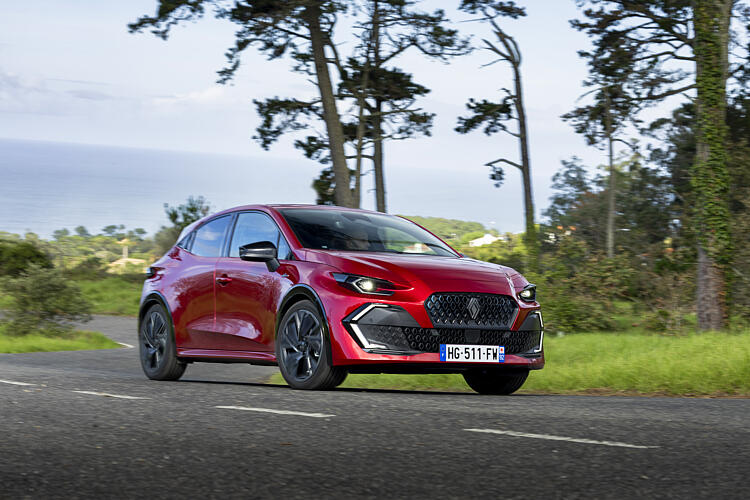
If you’re looking for a new car in 2026, here are five models worth considering for their good value for money.
The Spanish car market in 2026 shows a clear polarisation between highly technological models and options that prioritise value for money. Many buyers wonder whether it’s worth paying a premium for new driver assistance features or opting for simpler, more durable cars. These considerations explain why the choice depends not only on the initial price, but on factors such as durability, maintenance and the essential equipment you will actually use day to day.
This buying guide is for…
This guide is aimed at drivers looking for vehicles that balance reliability, finish and a reasonable cost, without giving up safety and comfort. It suits small families, professionals who cover daily mileage and buyers who value longevity over technological novelty. It is not the best option for those who prioritise extreme sporting performance, sky-high luxury or the latest premium screens and assistance systems.
Common options within the segment
In 2026 the segment offering the best value for money is generally split between efficient compacts and compact saloons with light hybrid or optimised petrol engines. Manufacturers balance weight and equipment to reduce consumption and manufacturing costs: less weight and electronics lower the price but limit performance. Other models focus on more safety equipment and slightly higher finishes, which raises the starting price. There are also electrified alternatives which, although more expensive at the outset, can pay off in consumption and running costs in urban environments.
Key criteria for choosing well
Real-world range versus official figures: the WLTP figure is helpful, but you should check consumption in real conditions and with local weather. Power and charging speed: these matter most in electrified vehicles; for hybrids, consider combined power and regeneration capacity. Stability and comfort on the road: road tests and suspension quality make a real difference on long journeys. Genuinely useful technology: prioritise assistance systems you will use every day (emergency braking, lane-keeping aids) over costly redundant systems. Total cost of purchase and use: consider taxes, insurance, maintenance and depreciation; a reliable and simple engine often reduces costs in the medium term.
It depends on how you drive
If you mostly make urban journeys, an efficient engine and a compact size will make parking easier and reduce consumption. For drivers who regularly cover motorways, stability, comfort and engines with good low-speed recovery are the priorities. Extreme climate matters: in cold areas or places with frequent rain, traction, insulation and battery thermal management are decisive factors. Your usage profile also counts: if you keep the car for many years, prioritise materials and ease of maintenance over the latest technology.
Real price: what you should know
The “from” price indicates the base rate without options or promotions; it rarely reflects the final equipped cost. The difference between financing and paying in cash usually involves interest that increases the total cost; it is worth calculating the real APR. Optional equipment can move the vehicle into a different price bracket: advanced safety systems, alloy wheels and finishes can substantially increase the bill. In addition, public incentives and dealer discounts change the final price, so it is always advisable to compare detailed quotes.
Reference models on the market
Toyota Corolla (from €27,990*)
An approach focused on durability and hybrid efficiency for mixed urban and road use. It suits drivers who prioritise low consumption, low maintenance costs and a long-term reputation for reliability.
The best
Proven hybrid system and low maintenance costs; good retention of value in the used market.
The room for improvement
Interior finishes are somewhat conservative compared with rivals offering more modern materials at a similar price.
Renault Clio (from €19,990*)
An approach aimed at urban buyers looking for efficiency, compact size and a competitive entry price. Ideal for the city and short trips with reduced running costs.
The best
Attractive starting price and low running costs; agile handling in urban environments.
The room for improvement
Interior and boot space below some competitors in the compact segment.
Volkswagen Golf (from €30,250*)
Focus on balancing perceived quality, dynamic behaviour and safety technology; suited to those who cover many kilometres at varied pace.
The best
Ride quality and a sense of robustness; very balanced engine options.
The room for improvement
Entry price higher than several rivals, which can weaken value for money in the base version.
Hyundai i30 (from €21,990*)
A practical proposal with a strong warranty, designed to offer equipment and safety at a moderate price. It suits young families and users who value long warranties.
The best
Extensive warranty and good standard safety and connectivity equipment.
The room for improvement
Functional interior design but without the premium feel of some European competitors.
Peugeot 308 (from €24,400*)
An approach centred on comfort and efficiency, with a well-finished interior and moderate consumption; designed for mixed use and frequent trips.
The best
Ride comfort and interior finish focused on ergonomics and pleasant materials.
The room for improvement
Some versions rise in price with few genuinely useful equipment options to justify the increase.
Purchase aid
Purchase aid in 2026: Plan Auto+ and tax benefits
The Plan Auto+ 2026 replaces previous programmes and establishes a new system of direct aid for buying electrified vehicles in Spain.
Main amounts of the Plan Auto+ 2026
– Direct aid of up to €4,500 for electric passenger cars.
– Up to €5,000 for light vans in category N1.
– Retroactive effect from 1 January 2026.
– Approximate budget allocation of €400 million.
Who can benefit and priority criteria
Beneficiaries include private individuals, self-employed workers and companies. The EEE criterion (Electric, Economic and European) applies, prioritising pure battery electric vehicles (BEV) over plug-in hybrids (PHEV). Vehicles priced below €35,000 receive greater aid, and those priced between €35,000 and €45,000 qualify for reduced aid. There is an additional incentive if the final assembly or the batteries are of European Union origin.
Additional requirements and tax advantages
The Plan includes a mandatory minimum discount of €1,000 from the dealer. In addition, a 15% deduction on personal income tax (IRPF) is provided, up to a maximum of €3,000. The tax validity of these advantages extends until 31 December 2026.
Management and possible regional aid
Management is coordinated by the Ministry of Industry together with the Autonomous Communities. Additional regional programmes may exist; for example, the Plan Cambia 360 in the Community of Madrid. At the time of writing it is not officially confirmed whether these regional aids will always be compatible with the Plan Auto+ 2026.
Common buying mistakes
Focusing only on the purchase price and not calculating the total cost of use (fuel/energy, maintenance, insurance and depreciation).
Choosing the best-equipped version without assessing whether the extras will really be used, which increases the TCO without proportional benefits.
Not checking real consumption data and homologation under local conditions; relying solely on WLTP figures can lead to surprises.
Underestimating the size and level of comfort needed for frequent trips; an initial saving can become discomfort in the long run.
With these elements in place, the reader has practical criteria to prioritise durability, useful equipment and the real cost of use. The logical next step is to compare up-to-date quotes and road tests to decide between the alternatives listed and adjust the purchase to your needs and budget.
 Peugeot E-208 GTi: a battery-powered toy that revives the spirit of the 1980s sports cars
 New Lexus ES: luxury grows and goes electric
 First contact with the Dacia Sandero Hybrid 155: power and efficiency from €19,890
Deja un comentario