Why replace the fuel filter
 Jaime Gomez
31 January 2023
2 min.
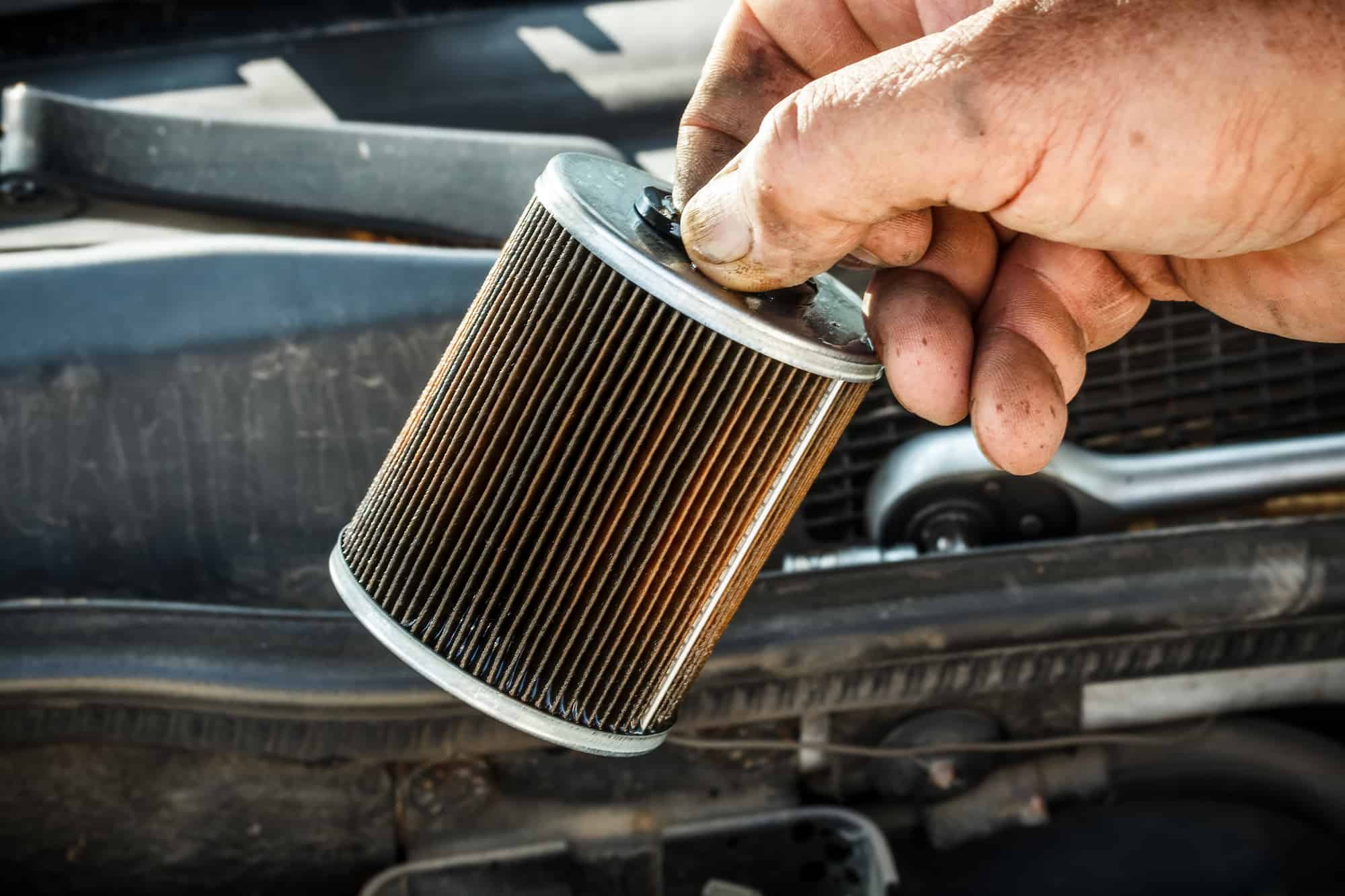
The fuel filter removes impurities and prevents them from reaching the engine, which affects the engine and its performance
Fuel is the engine’s food in a car. Its quality has a direct impact on engine performance and can shorten or extend its service life. A fuel filter in good condition ensures that all the fuel entering the engine does so without any contaminating particles.
Image of the fuel filter taken from the website repuestoscoches24.es
Petrol and diesel fuel filters perform similar functions; however, there are also certain differences in some of their functions. The petrol filter focuses mainly on preventing impurities present in the fuel from reaching the engine. The diesel engine filter also has an additional function: removing the moisture that this type of engine tends to produce, in order to prevent corrosion of the engine’s metal components.
The fuel filter is usually located at the outlet of the petrol tank. It consists of a rigid housing containing a filter element made of synthetic fibres, cellulose and resins. This element allows the fuel to pass through while the particles remain trapped in it.
Because of its function, the filter gradually accumulates particles which, over time, can cause it to become clogged. That is why the fuel filter needs to be replaced at regular intervals to ensure the whole system works properly. Manufacturers set filter replacement intervals in the vehicle’s maintenance schedule, depending on the type of engine. These intervals are typically around 60,000 kilometres; however, to fully ensure the system works properly, it is advisable to shorten this interval and replace the filter more frequently.
The cost of replacing a fuel filter is not usually especially expensive, since the filter itself is not expensive, and removing and fitting it does not take much labour time, except on some vehicles where access may be more difficult. Although it is possible to do it yourself, you need mechanical knowledge and the right tools, so the most advisable option is to go to a workshop and take advantage of scheduled maintenance intervals to include this operation.
For all these reasons, carrying out proper maintenance of the fuel filter in our vehicle will prevent major and more complicated breakdowns, which can end up affecting the engine and the vehicle’s performance, so we avoid paying a higher price later on or the car showing problems while driving.


 Peugeot E-208 GTi: a battery-powered toy that revives the spirit of the 1980s sports cars
 New Lexus ES: luxury grows and goes electric
 First contact with the Dacia Sandero Hybrid 155: power and efficiency from €19,890
Deja un comentario