2026 Ranking: Most reliable hybrid SUVs on the market
 Dani Montesinos
22 April 2026
8 min.
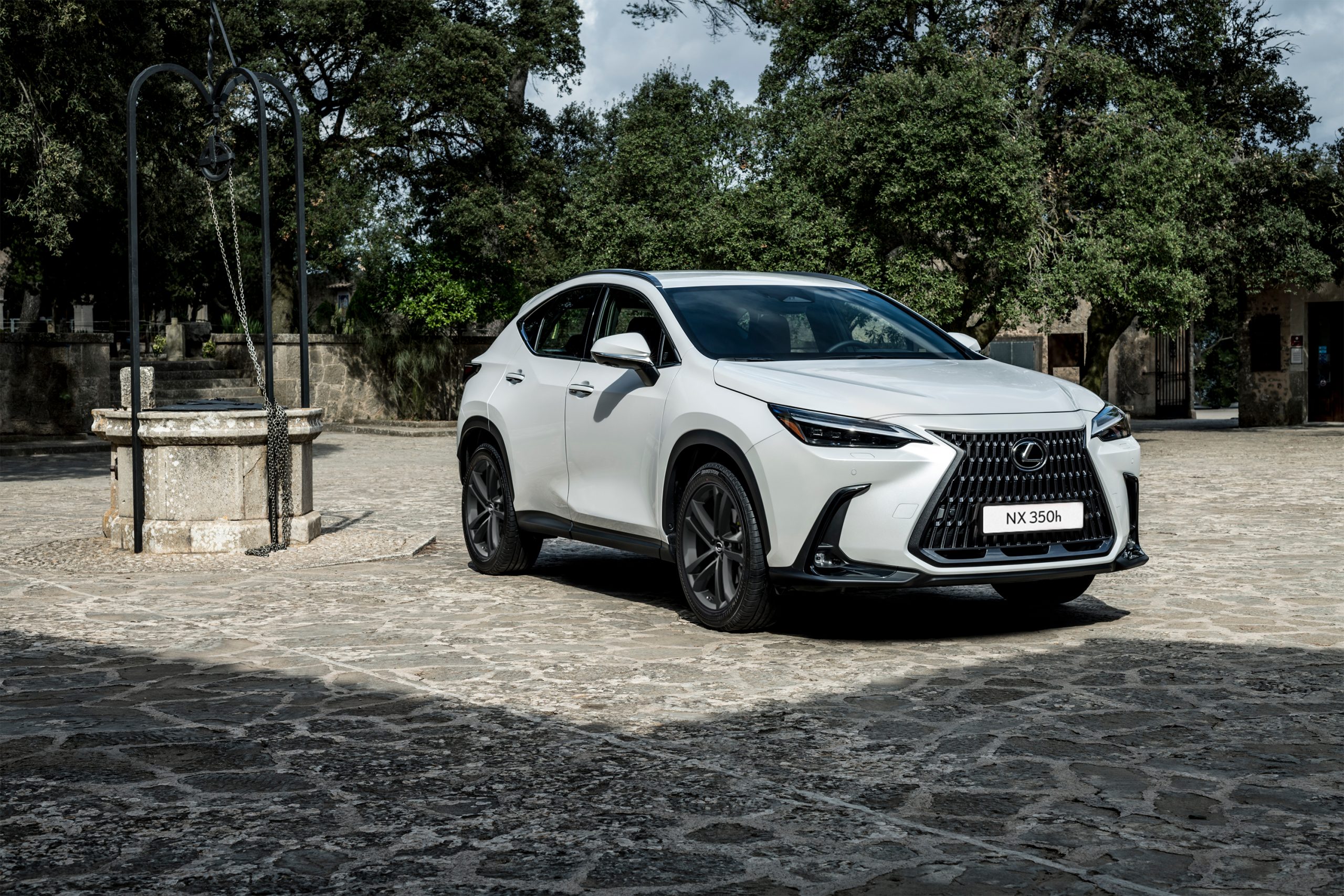
If you’re looking to get into the world of electric cars, we propose five hybrid (HEV) models that stand out for their reliable powertrains
The hybrid SUV market in 2026 combines technical familiarity with improvements in durability and maintenance costs. Demand focuses on models that offer low operating costs, robust electronics and a proven reputation among dealers and workshops. Five representative hybrid SUVs have been selected for their reliability, as shown by reports and user experiences, displaying differences in technical approach, consumption and market positioning for different uses: urban, family and long-distance travel.
Who is this ranking for?
This ranking is based on market data, official specifications and published tests. It is designed to guide those who value durability, lower maintenance costs and technical simplicity above purely performance or aesthetic priorities.
If you drive a lot of kilometres and want to reduce operating costs, if you prefer a family SUV with low maintenance, or if you’re looking for after-sales peace of mind thanks to the brand’s reputation, this list lets you compare options with different profiles and choose according to real use and total cost of ownership.
What details have we analysed?
We have considered market positioning, official technical data such as combined power and homologated consumption, expected real-world use in city and on the road, value for money of the technical approach, and the reputation for longevity in maintenance and warranties. Owner reports and the track record of after-sales service quality have also been taken into account.
Ranking of the most reliable hybrid SUVs in 2026
Toyota RAV4 Hybrid (from €46,825*)
Indicative price before applying public aid or the brand’s commercial discounts.
Why it’s here: Toyota maintains a history of self-charging hybrid systems with durable components and proven electronics. The RAV4 combines a robust chassis and redundancies in the hybrid system that reduce long-term vulnerabilities.
Ideal for: Drivers looking for a combination of daily urban use and long journeys with low maintenance costs.
Pros:
- Established hybrid system with a track record of reliability.
- Wide after-sales service and spare parts network.
- Low operating costs in mixed use.
Cons:
- Conservative design compared with newer alternatives.
- Weight and motorway consumption somewhat higher than rivals with small turbo engines.
Lexus NX 350h (from €55,350*)
Indicative price before applying public aid or the brand’s commercial discounts.
Why it’s here: Lexus applies high quality standards and assembly control, with materials and tolerances that reduce wear. The NX 350h shares refined hybrid technology and offers a more comfort-oriented experience without sacrificing reliability.
Ideal for: Users who prioritise comfort, durability and premium after-sales support.
Pros:
- High quality tolerances and durable components.
- Assistance systems calibrated for intensive use.
- Warranties and service aimed at retaining value.
Cons:
- Higher entry price.
- Specialist maintenance with higher costs in some cases.
Kia Niro Hybrid (from €23,880*)
Indicative price before applying public aid or the brand’s commercial discounts.
Why it’s here: The Niro offers a simple, compact and economical technical package with a track record of reliable components. Its architecture reduces points of failure and prioritises efficiency over electronic complexity.
Ideal for: Urban drivers and couples looking for economical running and low operating depreciation.
Pros:
- Good balance between price and equipment.
- Low consumption in urban use.
- Hybrid system with less complexity.
Cons:
- Smaller interior space and load capacity than larger rivals.
- Less power for sustained overtaking on motorways.
Hyundai Tucson Hybrid (from €32,975*)
Indicative price before applying public aid or the brand’s commercial discounts.
Why it’s here: The Tucson combines a modern hybrid architecture with good electronic integration and a wide service network. Its focus on versatility and robustness gives it a balance between consumption and medium-term reliability.
Ideal for: Families who need versatility, space and contained running costs.
Pros:
- Good interior space and load capacity.
- Hybrid system with efficiency-oriented calibrations.
- Wide network of workshops and spare parts.
Cons:
- High weight that penalises consumption to some extent.
- Some versions require more expensive maintenance than compacts.
Ford Kuga Hybrid (from €31,076*)
Indicative price before applying public aid or the brand’s commercial discounts.
Why it’s here: The Kuga offers a solid hybrid architecture focused on ride comfort and simple powertrain solutions. Historically, Ford has optimised maintenance costs in European markets.
Ideal for: Those looking for dynamic balance and extended technical service in Europe.
Pros:
- Good relationship between dynamism and comfort.
- Accessible technology and reasonable maintenance.
- Adequate integration of safety assistants.
Cons:
- Some parts may be more expensive outside the brand’s offer.
- Top-of-the-range versions add electronic complexity.
The prices shown in this ranking are indicative, before applying public aid or the brand’s commercial discounts.
Technical comparison
| Model | Range | Power | Consumption | Top speed | Price (€*) |
|---|---|---|---|---|---|
| Toyota RAV4 Hybrid | More than 1,000 km | 183 CV | 4.9 l/100 km (WLTP) | 180 km/h | 46,825 |
| Lexus NX 350h | Around 970 km | 242 CV | 5.7 l/100 km (WLTP) | 190 km/h | 55,350 |
| Kia Niro Hybrid | More than 1,000 km | 138 CV | 4.5 l/100 km (WLTP) | 165 km/h | 23,880 |
| Hyundai Tucson Hybrid | Around 1,000 km | 239 CV | 5.6 l/100 km (WLTP) | 186 km/h | 32,975 |
| Ford Kuga Hybrid | Around 1,000 km | 180 CV | 5.3 l/100 km (WLTP) | 196 km/h | 31,076 |
These data are official and taken from the brands’ official websites.
Purchase aid in 2026: Plan Auto+ and tax benefits
The Plan Auto+ 2026 replaces the previous MOVES programmes and establishes a new system of direct aid for the purchase of electrified vehicles in Spain. It seeks to encourage fleet renewal with a focus on electric and electrified vehicles.
Main amounts of the Plan Auto+ 2026
– Direct aid of up to €4,500 for electric passenger cars.
– Up to €5,000 for light vans in category N1.
– Retroactive effect from 1 January 2026.
– Approximate budget allocation of €400 million.
Who can benefit and priority criteria
Beneficiaries: individuals, self-employed workers and companies. The EEE criterion (Electric, Economic and European) determines priority: a greater incentive for pure battery electric vehicles (BEV) compared with plug-in hybrids (PHEV). Vehicles priced below €35,000 receive higher aid; those between €35,000 and €45,000 access reduced aid. Assembly or batteries of EU origin are incentivised.
Additional requirements and tax advantages
A mandatory minimum discount of €1,000 from the dealer is required. There is a 15% deduction in income tax (IRPF) up to a maximum of €3,000. These tax measures are valid until 31 December 2026.
Management and possible regional aid
Management is coordinated by the Ministry of Industry together with the Autonomous Communities. Additional regional programmes may exist, for example the Plan Cambia 360 in the Community of Madrid. As of the date of writing, it is not officially confirmed whether these regional aids are compatible with the Plan Auto+ 2026.
FAQ · The 5 questions everyone asks
Does a hybrid SUV really reduce maintenance costs?
In general yes, because the combustion engine works less and the brakes wear less thanks to energy recovery. However, the saving depends on use: in town it usually pays off more than on the motorway.
What is the difference in reliability between self-charging and plug-in hybrids?
Self-charging hybrids have fewer high-voltage components and smaller batteries, which usually means fewer risks and lower replacement costs compared with PHEVs.
Is the after-sales network important for long-term reliability?
Yes. A wide network makes servicing, updates and spare parts availability easier, which reduces downtime and indirect maintenance costs.
How much does the type of use affect the lifespan of a hybrid?
A lot. Urban use with frequent cycling of the hybrid system benefits the longevity of the combustion engine; very long journeys at high speed can increase wear and consumption.
Is it worth buying a hybrid with many technology extras?
Extras increase electronic complexity and potentially repair costs. Consider which systems you actually use before paying for full packs.
Expert conclusion
This ranking indicates that reliability in 2026 rests on two pillars: simplicity of hybrid architecture and solidity of after-sales service. For the buyer, this means prioritising models with a proven track record and local support networks rather than seeking maximum power or the most advanced equipment. The right choice depends on real use and on the relationship between purchase cost and operating cost.
If you want to make your money go further, first check the real entry price and what comes as standard. If a model is in high demand, it is usually also easier to sell later. And if you do a lot of kilometres, energy cost and efficiency matter more than the power figure. And if you won’t charge often, don’t buy from the catalogue: buy according to your routine. To make a decision: assess value for money by checking what the base version includes, and consider market traction as a conservative signal when choosing among the models listed.


 Peugeot E-208 GTi: a battery-powered toy that revives the spirit of the 1980s sports cars
 New Lexus ES: luxury grows and goes electric
 First contact with the Dacia Sandero Hybrid 155: power and efficiency from €19,890
Deja un comentario