Apple wants your car's windshield to detect imperfections and alert the workshop
 David Lopez @espacionblanco
29 December 2020
2 min.
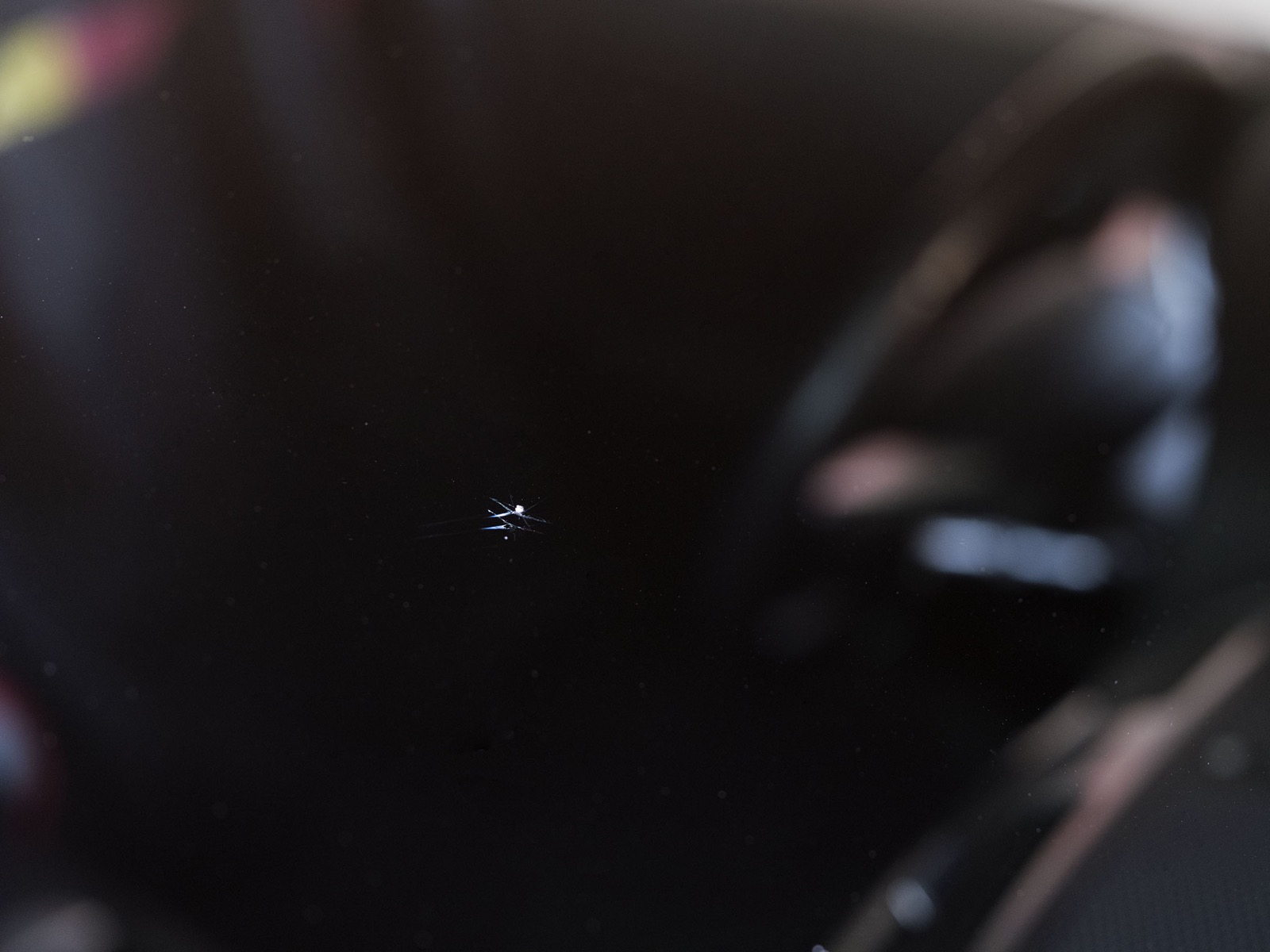
Apple already holds several patents covering vehicle glass and windows, and now adds a new one: a windshield capable of detecting cracks
With vehicles now able to connect to the internet, either through an LTE module or by using our smartphone’s connection, we have seen the functionality of some services expanded with, for example, the ability to perform a real-time diagnosis of our vehicle and, should it be necessary, for either us or the vehicle itself to be able to request a workshop appointment for inspection by a professional.
Undoubtedly these new features are a great ally not only for finding out what is wrong with our car almost instantly, but also for extending its useful life and, in the event of a serious fault, not gambling with our own safety. More and more faults can be reported remotely to the workshop so it can prepare before we arrive, faults that normally relate to some engine component, but now Apple wants to go a step further following its latest patent announcement.
According to the registered patent, Apple is working to perfect a windshield that is capable of detecting cracks and, should it find any, arrange an appointment with the workshop to proceed with its repair. To do so, the windshield would contain a conductive layer with a sensor network that, by sending small currents both horizontally and vertically, allows the windshield itself to detect whether it has any kind of defect. Furthermore, taking advantage of the arrival of autonomous vehicles, the vehicle itself could drive itself to the workshop while its owner is not using it.
It is not Apple’s only patent regarding vehicle glass; it has another that describes self-tinting glass, in the style of glasses with photochromic lenses. In this way, the vehicle’s windows would have an active modular layer capable of adjusting light transmission, so that sunlight is not so bothersome. Although this technology still needs some development, Apple itself points out that the structure of the windows may be unsightly or insufficiently flexible, thus yielding inadequate performance.
Who knows, perhaps we will see these patents in the future in Apple’s vehicle, including the Head-Up Display, also patented by Apple, which features advanced functions such as detecting the occupants’ level of attention and stress, displaying directions or maps, and even answering calls with FaceTime.


 Peugeot E-208 GTi: a battery-powered toy that revives the spirit of the 1980s sports cars
 New Lexus ES: luxury grows and goes electric
 First contact with the Dacia Sandero Hybrid 155: power and efficiency from €19,890
Deja un comentario