Asian cars you should consider for your next purchase
 Dani Montesinos
26 February 2026
6 min.
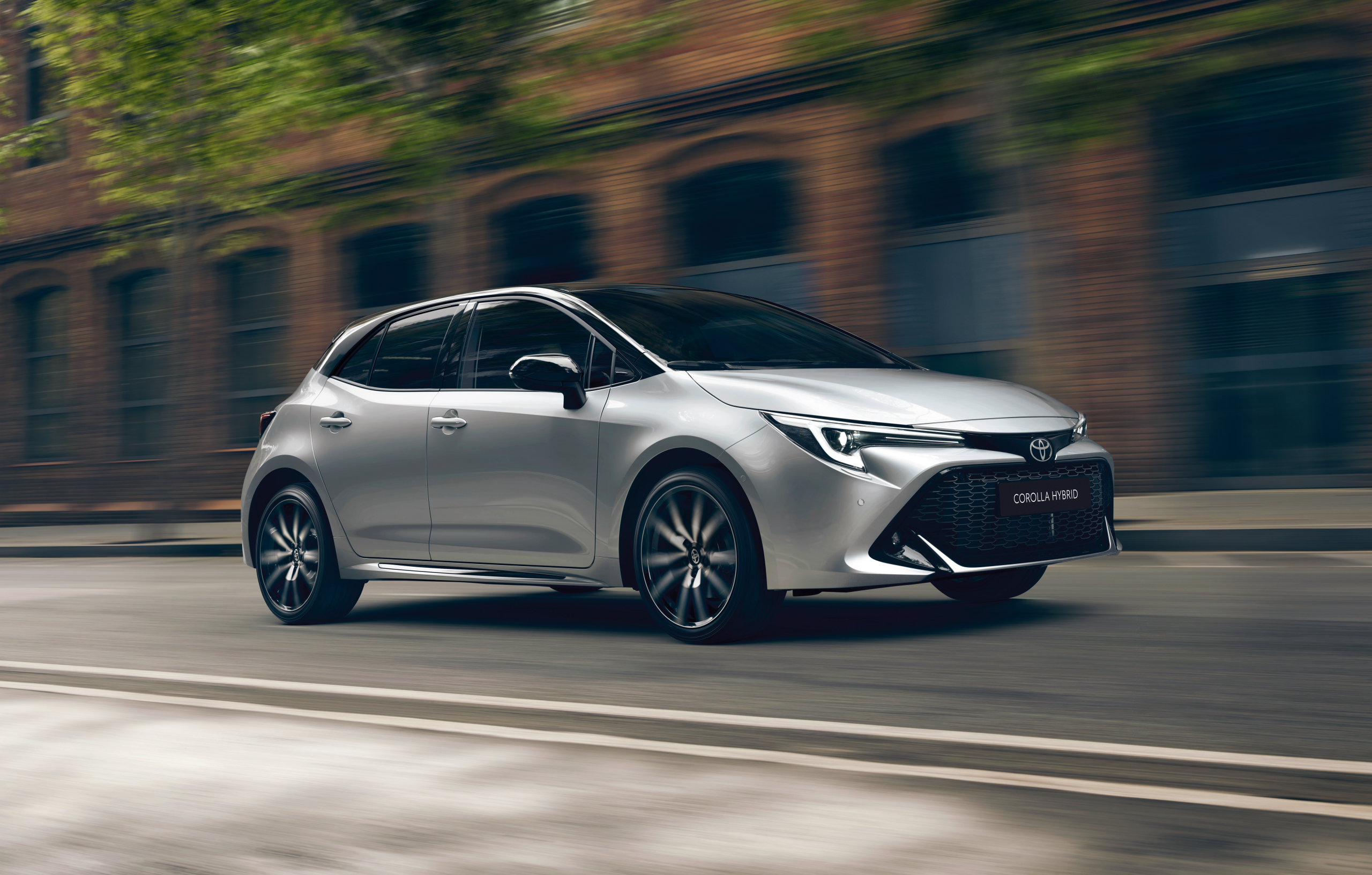
Asian cars are a symbol of reliability and durability, and here we show you five options if you are thinking about changing your car
The car market in Spain in 2026 continues to show a clear preference for vehicles that combine durability, efficiency and useful technological equipment. Many buyers face complex decisions due to the wide range on offer and the overlap of hybrid, electric and combustion versions that coexist in the same segment. Long-term durability and the total cost of ownership are increasingly decisive factors. Technology should be functional rather than spectacular. The right choice depends both on real use and on planning maintenance and financing.
This buying guide is for…
This guide is aimed at drivers who prioritise reliability, understated design and a clear balance between cost and equipment. It is useful for those looking for a versatile vehicle for everyday use in the city and interurban journeys, with low maintenance costs and good value retention. It is not the best reference for those seeking extreme sporting performance or very specific luxury configurations; those users require analyses focused on particular niches.
Common options within the segment
Among Asian cars with a good reputation, different approaches usually coexist: practical compacts focused on efficiency and cost, compact SUVs that prioritise versatility and ground clearance, and saloons or hybrids that seek a balance between consumption and comfort. Each approach involves trade-offs in weight, which affects consumption, in planning for charging or refuelling, and in starting price. In general, Asian manufacturers invest in useful technological features and in materials that favour longevity without climbing into the premium segment.
Key criteria for choosing well
Realistic range versus homologated range: interpreting WLTP figures according to your usage profile and local climate. Power and charging speed: for electric and plug-in models, fast-charging capacity and usable power on motorways are decisive. Stability and comfort on the road: chassis tuning and insulation are differentiating factors on long journeys. Genuinely useful technology: prioritise assistants that improve safety and everyday comfort (emergency braking, lane keeping, real connectivity). Total cost of purchase and use: add taxes, servicing, insurance and depreciation for an honest comparison.
It depends on how you drive
If you mainly drive in the city, value low consumption, turning radius and parking assistants; if you make long trips, the priority is comfort, stability and a range that in real conditions reaches what is promised. Cold weather reduces electric range and changes consumption; in regions with harsh winters, it is advisable to pay attention to battery performance at low temperatures and to efficient heating options. The buyer’s practical profile also shapes the decision: families value boot space and access, professionals look for cost per kilometre and reliability.
Real price: what you should know
The advertised “from” price is a minimum reference that rarely matches the final cost. The difference between financed and cash price can be significant due to commissions and linked maintenance plans. Equipment raises the base price with packs that often include key safety and comfort elements; for this reason it is worth comparing versions and not just the trim name. Interpret the “from” price correctly: it usually corresponds to the most basic version, without extras or relevant options.
Reference models on the market
Hyundai Tucson (from €31,900*)
Compact SUV focused on versatility, with a range that includes hybrid and efficient engines. It suits users who need a comfortable car for the family and mixed city and road journeys.
The best
Wide range of versions and a good balance between safety equipment and base price.
The weaker points
Some configurations with smaller engines feel strained when overtaking at high speed.
Kia Sportage (from €29,900*)
Mid-size SUV that focuses on updated design and practical technology, with hybrid options that improve consumption in mixed use.
The best
Attractive design and competitive interior space for its segment.
The weaker points
The cost of some options can quickly inflate the final price.
Toyota Corolla (from €25,500*)
Compact that prioritises efficiency and the driving experience with established hybrid engines; suitable for those seeking low consumption and proven reliability.
The best
Controlled real-world consumption and proven mechanical longevity.
The weaker points
Its dynamic behaviour is comfortable but not very exciting for sporty drivers.
Honda Civic (from €28,600*)
Compact saloon balancing dynamism and comfort; suitable for those who value a more refined driving experience without giving up everyday practicality.
The best
Steering and chassis tuned for more rewarding driving on the road.
The weaker points
The price of some trims can sit above simpler alternatives.
Mazda CX-5 (from €34,900*)
SUV with an accessible premium focus, centred on material quality and a comfortable driving experience; recommended for those who want good feel and carefully finished interiors.
The best
Interior finish and tuning that convey a premium feel without being excessively expensive.
The weaker points
More powerful engine options penalise consumption and price.
Purchase incentives
Purchase incentives in 2026: Plan Auto+ and tax benefits. The Plan Auto+ 2026 replaces the previous MOVES programmes and establishes a new system of direct aid for the purchase of electrified vehicles in Spain.
Main amounts of the Plan Auto+ 2026
– Direct aid of up to €4,500 for electric passenger cars.
– Up to €5,000 for light vans in category N1.
– Retroactive effect from 1 January 2026.
– Approximate budget allocation of €400 million.
Who can benefit and priority criteria
Beneficiaries: private individuals, self-employed workers and companies. Application of the EEE criterion (Electric, Economic and European) prioritises pure electric vehicles (BEV) over plug-in hybrids (PHEV). Vehicles priced below €35,000 receive higher aid, while those between €35,000 and €45,000 qualify for a reduced amount. There is an additional incentive if the final assembly or the batteries are of European Union origin.
Additional requirements and tax advantages
Mandatory minimum discount of €1,000 from the dealer. 15% deduction in income tax (IRPF) up to a maximum of €3,000. Tax validity until 31 December 2026.
Management and possible regional aid
Management is coordinated by the Ministry of Industry together with the Autonomous Communities. Additional regional programmes may exist, such as the Plan Cambia 360 in the Community of Madrid. At the time of writing, it is not officially confirmed whether these regional aids are compatible with the Plan Auto+ 2026.
Common buying mistakes
– Buying based solely on the “from” price without checking the real equipment you need.
– Ignoring the total cost of ownership: insurance, servicing and annual depreciation.
– Choosing an engine based on official figures without checking range or consumption in real conditions.
– Not considering the impact of the local climate on battery performance or seasonal consumption.
With the context and criteria above clear, the logical next step is to check these references against technical analyses and up-to-date equipment lists. Comparing versions, financing conditions and real availability at dealerships will allow an informed decision suited to your particular use.


 Peugeot E-208 GTi: a battery-powered toy that revives the spirit of the 1980s sports cars
 New Lexus ES: luxury grows and goes electric
 First contact with the Dacia Sandero Hybrid 155: power and efficiency from €19,890
Deja un comentario