Best technologies for improving combustion engines: greater safety and better efficiency
 Victor Alós Yus @sepelaci
23 April 2018
3 min.
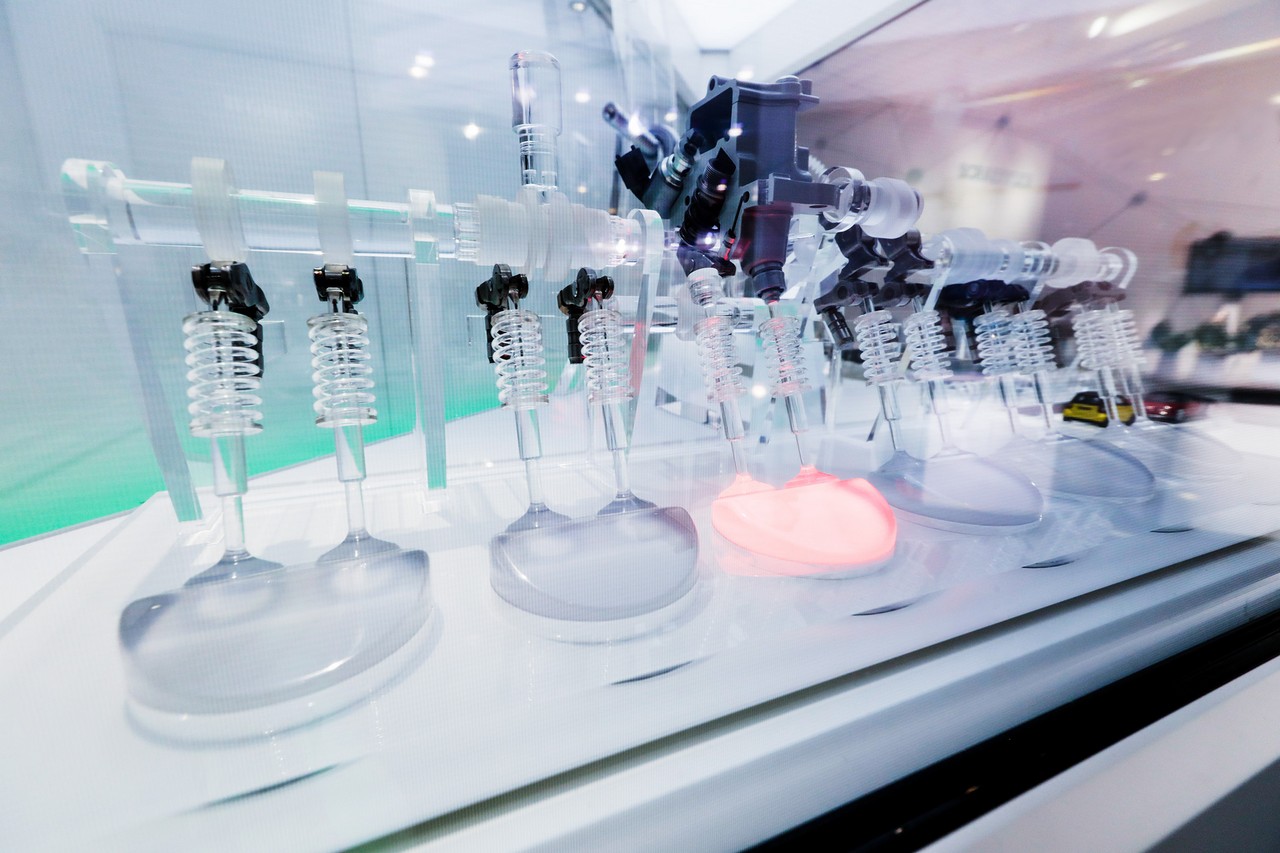
Although electric cars seem to be gaining ground, combustion engines are improving their characteristics to offer greater efficiency
Petrol engines have been undergoing constant evolution since their creation around 100 years ago. Today, that evolution continues, and the blocks are getting better all the time, more efficient and with technology that not only delivers more power, lower consumption and more efficient operation, but also still serves as a benchmark for mobility. After growing in size and power, the current trend in this type of engine is to make them smaller, with fewer cylinders while still maintaining enough power to be efficient.
The combustion engine has changed, and technology makes it possible to avoid energy loss, which translates into better performance and a lower fuel requirement. Strict fuel consumption and emissions regulations have driven this improvement in engines, although there is still a long way to go. Electric cars appear to be the most likely future to replace combustion engines, but that remains to be seen. Petrol engines can keep improving and may even reduce the environmental footprint they produce, matching that of electric cars.
This is not as far-fetched as it seems. The manufacture of batteries and the production of the electricity that powers them release polluting gases, so although cars do not emit gases themselves, they are part of a process that generates pollution. To prevent petrol-engined cars from polluting as much as they do today, technology comes to the rescue. These are some of the technological solutions that can help achieve this.
Hybridisation
Hybridisation is a good way to reduce consumption and emissions. Combining a combustion engine with an electric one allows the combustion engine to work less, achieving considerable savings in both respects. Even 48-volt hybridisation, a type of vehicle that is becoming increasingly popular, manages to reduce that figure.
Heat and friction management
The heat generated prevents the combustion engine from working properly, so by improving cooling systems, the engine ends up behaving more efficiently. The absence of friction is also appealing, as wear is lower and performance improves and lasts over time.
Electronic clutch in manual transmissions
Automatic clutches are becoming increasingly popular and allow good engine behaviour. But manual gearboxes still dominate the market and also need to improve. Including an electronic clutch will allow cars with manual gearboxes to use features that were previously only possible with an automatic gearbox. And with it comes fuel savings and reduced emissions.
Alternative fuels
And, of course, a combustion engine does not only run on petrol or diesel. Although electric vehicles seem set to become the most popular alternative, there are other fuels that are compatible with petrol engines, or at least can be easily adapted to them. All these improvements will allow the combustion engine to keep running and gradually adapt to increasingly demanding emissions regulations. And, of course, the fuel savings that we all enjoy.


 Peugeot E-208 GTi: a battery-powered toy that revives the spirit of the 1980s sports cars
 New Lexus ES: luxury grows and goes electric
 First contact with the Dacia Sandero Hybrid 155: power and efficiency from €19,890
Deja un comentario