Buying guide for electric SUVs in 2026
 Dani Montesinos
9 March 2026
7 min.
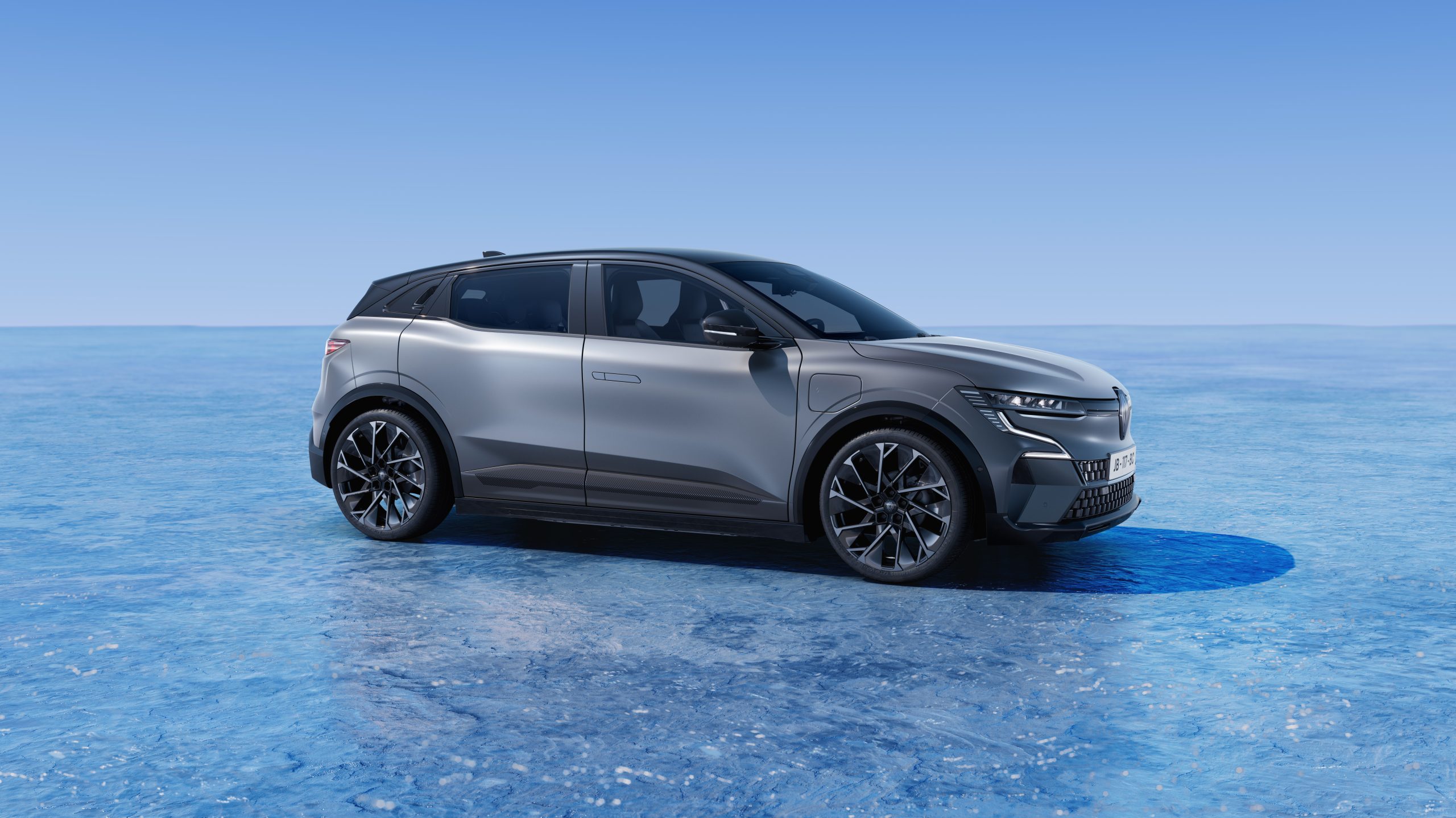
If you are looking to buy a new SUV that is also fully electric, here are five models you should consider
The electric SUV market in Spain in 2026 has consolidated: greater choice, denser charging networks and regulations that drive electrification. For many buyers, doubts persist because technical specifications do not always translate into real-world use; homologated range, charging power and total cost of ownership are the key factors that differ from a conventional car. Prioritise real-world range and ease of charging. Calculate the total cost of use, not just the purchase price. Check the charging infrastructure in your area before deciding. These three points sum up practical criteria that should guide your choice, especially for drivers who alternate between urban journeys and weekend trips.
This buying guide is for…
This vehicle is of interest to drivers who want the versatility of an SUV with the efficiency of electric propulsion: family space, an elevated driving position and the capability for moderate journeys without constant reliance on fossil fuel. It is especially suitable for those with access to home charging or who have charging points near their workplace.
It is not the best option for anyone seeking an economical alternative to the light urban vehicle, or for those who regularly drive in rural areas without charging coverage: in those circumstances, a compact car or a hybrid may offer greater flexibility and a more affordable total cost.
Common options within the segment
Within the segment there are different approaches: models geared towards efficiency and a lower price, premium alternatives with greater range and finish, and options that prioritise fast charging and performance. Common trade-offs include the high weight of batteries, real-world consumption that is sensitive to speed and weather, and the need to plan recharging on long trips. Manufacturers balance battery size and price to optimise the range/usefulness ratio, and the choice of size and boot capacity depends on real family use.
Key criteria for choosing well
Realistic versus homologated range: the WLTP figure is indicative; useful range depends on temperature, speed and payload. Assess range at 120 km/h if you drive on motorways frequently.
Charging power and speed: the maximum charging power (kW) determines times at public charging points; mind the peak power and the manufacturer’s charging curve.
Stability and comfort on the road: a heavy electric SUV requires good suspension tuning and electric assistance to maintain comfort without sacrificing safety.
Genuinely useful technology: energy recovery systems, battery thermal management and driver assistance that improve daily efficiency are more valuable than cosmetic extras.
Total cost of purchase and use: add up the price, financing, electricity, maintenance and possible loss of value; for many buyers the difference between the “from” price and the final price can be decisive.
It depends on how you drive
If you drive mainly in the city and charge at home, prioritise efficiency and cost per kilometre; an SUV with a small battery but good thermal management may be sufficient. If you make long journeys frequently, charging speed and the fast-charging network on your routes will be decisive.
Climate affects range: in cold winters the battery capacity and thermal management become critical. For drivers who alternate between family use and occasionally towing or transporting loads, always check the homologated towing capacity and its impact on range.
Real price: what you should know
Difference between financed and cash price: the “from” price usually corresponds to basic versions and cash payment; financing increases the effective cost through interest and fees.
Impact of equipment: finishes and larger batteries significantly increase the price. Read the “from” price correctly: it is indicative and does not include common options such as paint, wheels or driver assistance packs, which raise the amount.
Why the final price may vary: discounts, grants, tax incentives and dealership policies all affect the real price. Always calculate the total cost over a 3–5 year horizon to compare with alternative models.
Reference models on the market
Tesla Model Y (from 57,990 €*)
Electric SUV focused on range and its own charging network. Suited to drivers who value fast-charging infrastructure and software with regular updates; designed for both families and those who make frequent motorway journeys.
The best
Supercharger network and efficiency at motorway speeds that make long journeys easier.
The less good
High entry price and a perception of finish quality that may not match traditional premium brands.
Volkswagen ID.4 (from 44,500 €*)
A balanced approach between comfort and practicality, with performance geared to family use and a notably mature platform. Suitable for those seeking integration with the manufacturer’s services and a spacious cabin.
The best
Comfort on long journeys and ergonomics designed for daily use.
The less good
Real-world range is somewhat sensitive to high speeds, and peak charging speed is lower than more recent rivals.
Hyundai Ioniq 5 (from 47,000 €*)
Design and architecture oriented towards fast charging and a versatile user experience. Aimed at users who value competitive recharging times and efficient thermal management.
The best
Charging speed and a good balance between range and performance.
The less good
Rear space that is less generous than some rivals in the same category.
Kia EV6 (from 46,500 €*)
An option with a dynamic focus within the segment, good technological integration and a practical cabin for everyday use and weekend trips.
The best
Dynamic behaviour and well-integrated driver assistance systems.
The less good
Consumption on high-speed journeys and the cost of some options push up the final bill.
Renault Mégane E-TECH (from 34,900 €*)
A compact electric SUV that prioritises accessibility and a low total cost of ownership; suited to urban drivers who occasionally make short intercity trips.
The best
Competitive entry price and low running costs in urban environments.
The less good
Range and charging speed lower than some higher-priced rivals.
Purchase grants
Purchase grants in 2026: Plan Auto+ and tax benefits. The Plan Auto+ 2026 replaces previous programmes and establishes a scheme of direct grants for electrified vehicles, with conditions on price and place of manufacture.
Main amounts under Plan Auto+ 2026
– Direct grants of up to €4,500 for electric passenger cars.
– Up to €5,000 for light vans in category N1.
– Retroactive effect from 1 January 2026.
– Approximate budget allocation of €400 million.
Who can benefit and priority criteria
Beneficiaries: private individuals, self-employed workers and companies can access the grants. The EEE criterion (Electric, Economical and European) applies, with greater incentives for battery electric vehicles (BEV) than for plug-in hybrids (PHEV). Vehicles priced below €35,000 receive a larger grant; between €35,000 and €45,000 the grant is reduced. An additional incentive is granted if the final assembly or the batteries come from the European Union.
Additional requirements and tax advantages
A mandatory minimum discount of €1,000 from the dealership applies. In addition, a 15% deduction from personal income tax (IRPF) is available up to a maximum of €3,000, valid until 31 December 2026.
Management and possible regional grants
Management is coordinated by the Ministry of Industry together with the Autonomous Communities; additional regional programmes may exist, such as the Plan Cambia 360 in the Community of Madrid. At the time of writing, it is not confirmed whether all regional grants are compatible with the Plan Auto+ 2026.
Common buying mistakes
Buying based solely on the WLTP figure without checking real-world range according to your usage pattern.
Not assessing charging speed against your usual routes; choosing large batteries when they are not needed, or the opposite.
Ignoring the total cost of ownership and focusing only on the purchase price; underestimating the loss of value in certain markets.
Selecting expensive options that add little practical value for daily use and complicate resale.
With the key information on real-world range, charging and total cost, the logical next step is to compare these considerations with technical data sheets and updated analyses for each model, so you can choose the electric SUV that best suits your use and budget.


 Peugeot E-208 GTi: a battery-powered toy that revives the spirit of the 1980s sports cars
 New Lexus ES: luxury grows and goes electric
 First contact with the Dacia Sandero Hybrid 155: power and efficiency from €19,890
Deja un comentario