Diesel, petrol or hybrid, which type of car suits you best?
 Victor Alós Yus @sepelaci
8 March 2020
3 min.
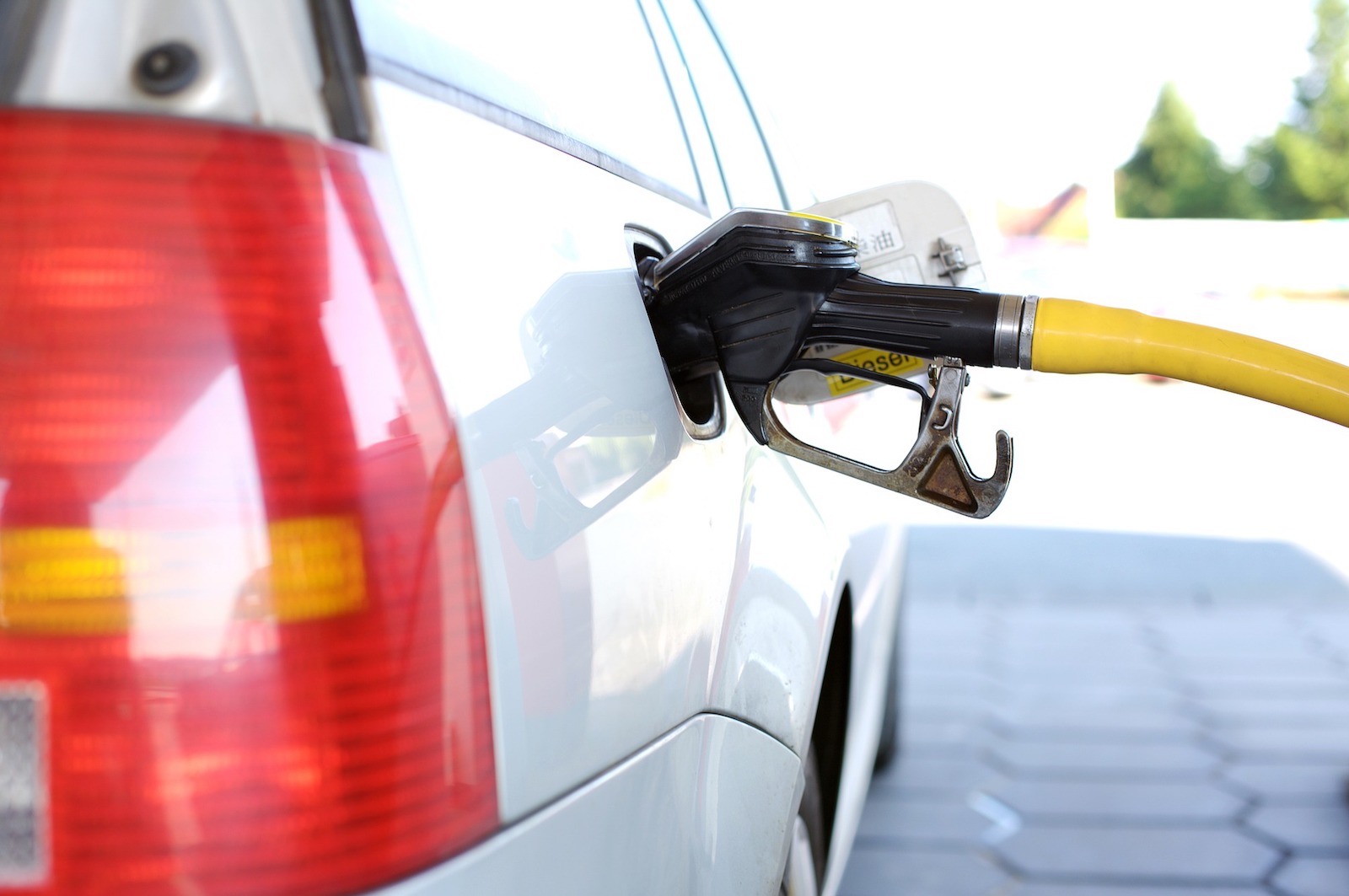
If you are thinking of buying a new car, you will have doubts about the type of fuel that best fits the kind of use you want to give your new car.
If you are thinking of buying a new car, you have plenty of options to find the one that best suits your needs. We currently have cars powered by different types of fuel available. But which one is the best choice? Let’s review the advantages and disadvantages of diesel, petrol and hybrid cars.
Price of the different types of car
One of the things people usually consider is the budget available when buying a car. That amount of money we can allocate to a vehicle purchase is what can lead us to opt for one type of fuel or another. To begin with, petrol cars have a lower price, while diesel cars tend to be considerably more expensive. At the top of the price range we find hybrid and plug-in hybrid vehicles.
This, of course, applies to vehicles with similar performance. Normally, the higher cost of hybrid cars is offset by less wear on the mechanical parts, since they use the electric drivetrain, and there are also savings in fuel expenses. This allows the initial price difference to be amortised, but you should always consider whether the extra expense is worth it.
Vehicle use
Another thing to look at is the type of use the car will be put to. A common rule of thumb is the annual mileage. If the distance to be driven over the year is less than 15,000 kilometres, a petrol car may be the better option. A car that covers more than 15,000 kilometres a year makes up for its higher purchase price through fuel savings. Something to keep in mind. In this case, a hybrid or plug-in hybrid car also makes financial sense, especially if you do mostly urban journeys within the city.
Type of journey
The type of journey the car makes is also important in deciding which type of fuel should be used. For journeys where urban mobility predominates, a petrol car is preferable. That said, a hybrid can be much more practical and efficient in this case. It can benefit from its electric-mode range, and if it is a plug-in hybrid it can also benefit from the DGT zero-emission label and the tax benefits of sustainable mobility.
By contrast, a diesel car offers the greatest profitability advantage when used on the open road. In this case, a diesel car can turn out to be an excellent investment. Long journeys on the road are a good reason to enjoy a diesel car and make the most of its characteristics.
Maintenance costs
If you are looking for a car with low maintenance costs, the most logical option is a petrol car. Maintaining a petrol car is cheaper than maintaining a diesel car, which has very specific components that can be very expensive to repair or replace. In the case of hybrids, by using the capabilities of the electric traction system, wear on mechanical parts can be reduced, which can translate into savings. That said, both diesel and hybrid models cost more to maintain each year.
With all of this in mind, you should weigh the budget for buying the car, the use it will be put to, whether most journeys are in the city or on the open road, and the number of kilometres. You should also add the cost of maintenance, and with all this information you can work out which type of fuel is most cost-effective and choose the best car to drive off in.


 Peugeot E-208 GTi: a battery-powered toy that revives the spirit of the 1980s sports cars
 New Lexus ES: luxury grows and goes electric
 First contact with the Dacia Sandero Hybrid 155: power and efficiency from €19,890
Deja un comentario