Differences between LPG and CNG: which is the better option?
 Victor Alós Yus @sepelaci
11 February 2020
3 min.
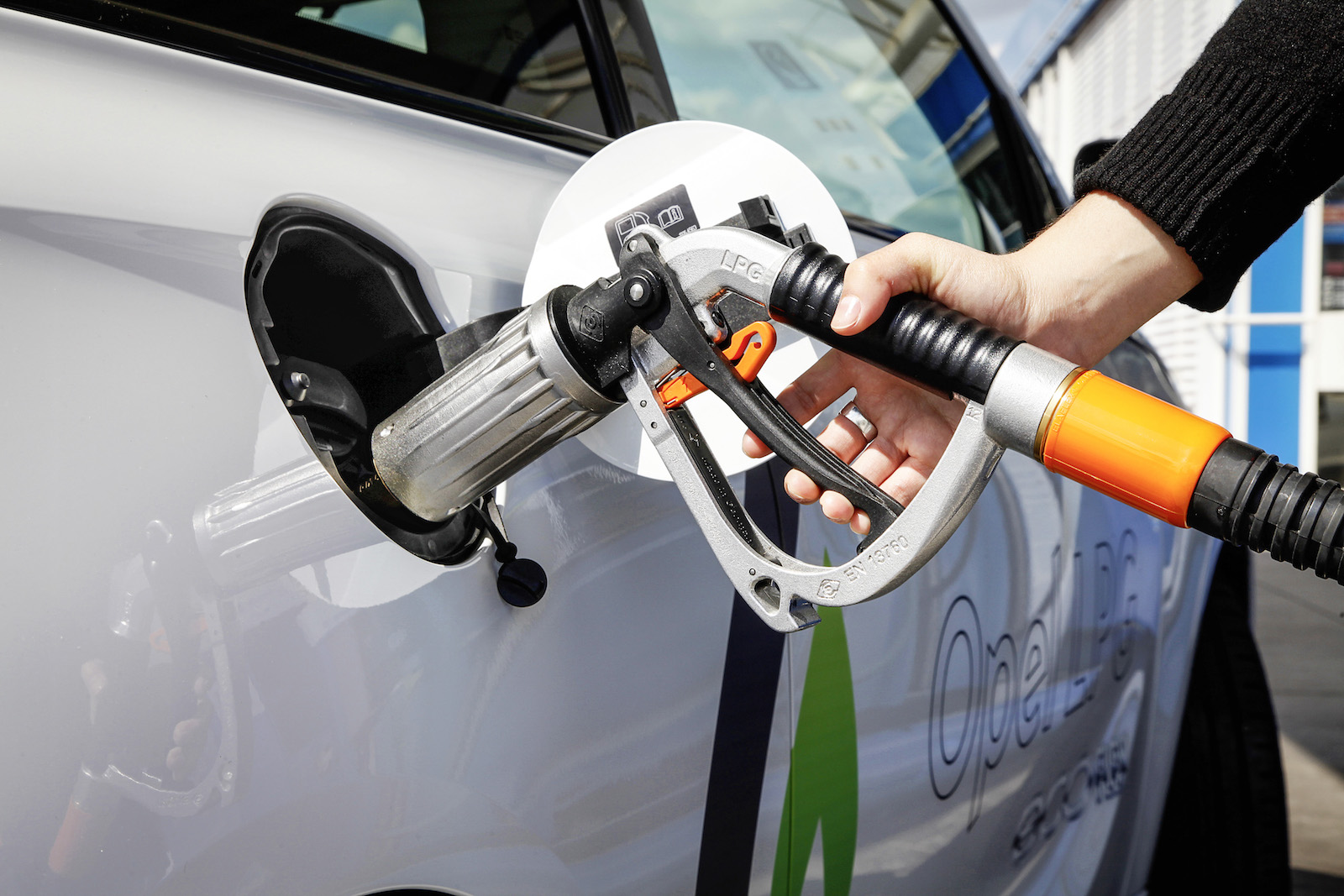
There are currently two types of automotive gas, LPG and CNG, which have similar applications, but one has more advantages than the other and is more suitable.
There are currently several options for alternative fuels, designed to reduce the environmental impact of traditional fuels. And in addition to increasingly common electric cars, there are other ways to reduce emissions, such as using gas to power engines.
These fuels are not free of polluting emissions, but they certainly reduce them considerably. There are two types of automotive gas, LPG (Liquefied Petroleum Gas) and CNG (Compressed Natural Gas). But, knowing this, what is the difference between the two products, and which is more advisable when buying a new car?
Liquefied Petroleum Gas (LPG)
LPG has become one of the most popular alternative fuels, and service stations offering this type of fuel are becoming more and more common. In Spain there are more than 200 stations that offer LPG, and their number grows day by day.
It is made up of a mixture of butane and propane, that is, gases derived from petroleum. It is found in liquid state and has good performance. That said, it is a fuel with less calorific value than petrol, and more volume of gas is consumed than of petrol.
Compressed Natural Gas (CNG)
In the case of CNG, it is very similar to the gas used in homes, but for automotive use it is supplied compressed to achieve better storage efficiency. It is made up of 90% methane, and the rest is complemented by gases from petroleum. Unlike LPG, it is used in gaseous form and offers more or less the same performance. As an advantage, it is a gas that could be refuelled at home, with a device that could cost around 500 euros, passing the cost on to the monthly household utility bill.
So… which is the most suitable to use in our car? From an environmental point of view, both fuels are similar and allow the use of the DGT ECO label. For the time being, the most practical and useful gas-based alternative fuel is LPG. It is the most widely used automotive gas, and it is very easy to find a service station that offers LPG.
By contrast, CNG has very few public refuelling points, although it may prevail over the other in a few years. As for price, both are cheaper than petrol and diesel, so they could be a good alternative to traditional fuels.
At present, it is clearly much better to opt for a car with an LPG engine, given its ease of refuelling, its lower price compared with petrol and diesel, and the greater variety of models available. Furthermore, it is very easy to adapt a petrol engine for use with LPG, so it may be a good option if you already own a petrol car.


 Peugeot E-208 GTi: a battery-powered toy that revives the spirit of the 1980s sports cars
 New Lexus ES: luxury grows and goes electric
 First contact with the Dacia Sandero Hybrid 155: power and efficiency from €19,890
Deja un comentario