Dubai announces that charging for electric cars will be free on its streets
 Jaime Gomez
9 October 2017
2 min.
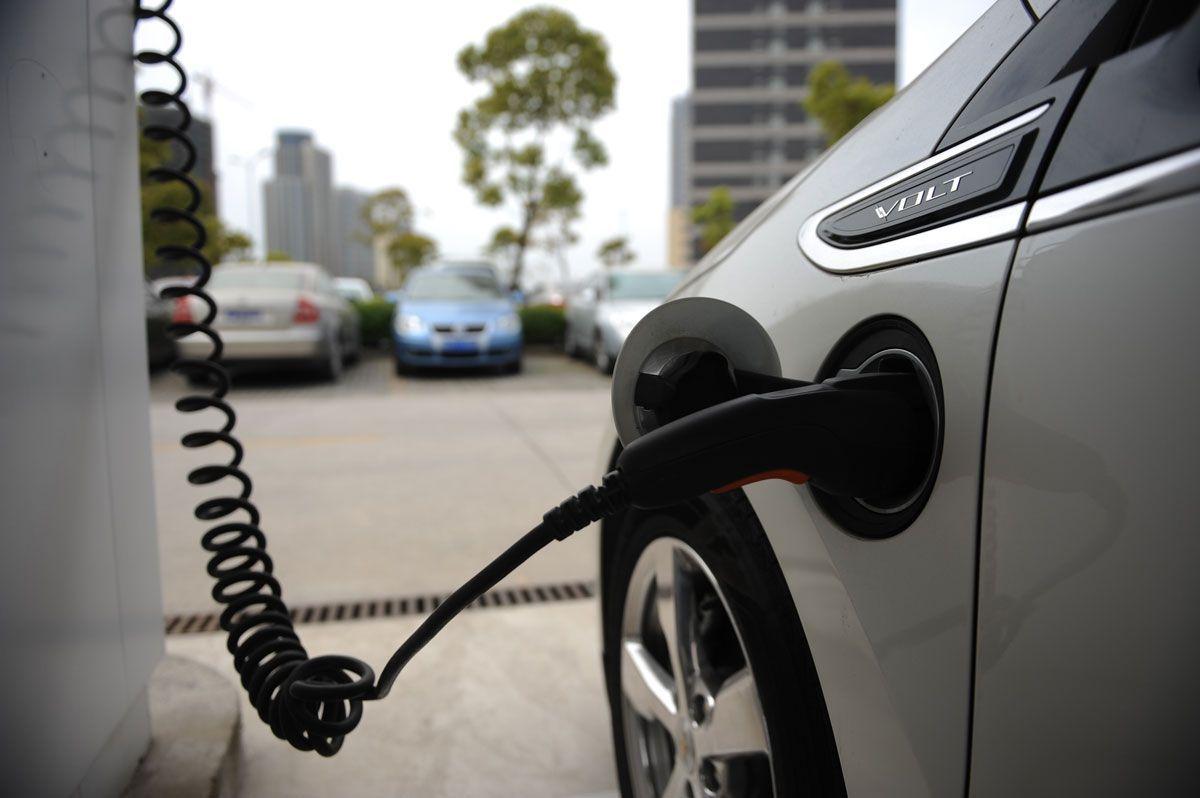
Free charging is one of the measures in the city’s plan to reduce oil consumption and increase the number of electric cars in Dubai.
The city of Dubai has announced a series of incentives to encourage local residents to buy electric vehicles and thereby reduce oil consumption. One of the most interesting measures has been to offer free charging for zero-emission cars on its streets.
A few days ago, the Roads and Transport Authority of Dubai (RTA) joined the Electricity and Water Authority (DEWA) to announce incentives ranging from free registration to free parking in the city.
More specifically, the RTA will exempt zero-emission cars from vehicle registration and renewal fees and will provide a free card for using Dubai’s highways. In addition, the Government of Dubai will give electric vehicles a unique identifying number plate and provide free parking spaces in 40 different locations to be established by the end of the year.
Toll-free highways and free parking spaces are among the other measures in the city’s plan for electric cars. There are currently more than 100 public charging stations in the city, but as the RTA has confirmed, next year they will exceed 200.
DEWA’s Chief Executive, Saeed Mohammed Al Tayer, stated that these measures are aimed at increasing interest in electric cars in the coming months. “The main challenge is increasing the number of electric cars on the roads. Once drivers and private entities know how much they can save, they will become interested in this type of vehicle,” said Al Tayer.
Many Middle Eastern countries are establishing new renewable sources of energy to help reduce national oil consumption and thus reserve it for export. At present, there are only 800 electric cars on the streets of Dubai, but DEWA wants this type of vehicle to represent 2% of the city’s fleet by 2020 and 10% by 2030.


 The seven finalists for the 2027 European Car of the Year (COTY) are exclusively electric
 Peugeot E-208 GTi: a battery-powered toy that revives the spirit of the 1980s sports cars
 New Lexus ES: luxury grows and goes electric
Deja un comentario