Engine warning light, what does it mean?
 Victor Alós Yus @sepelaci
27 March 2019
4 min.
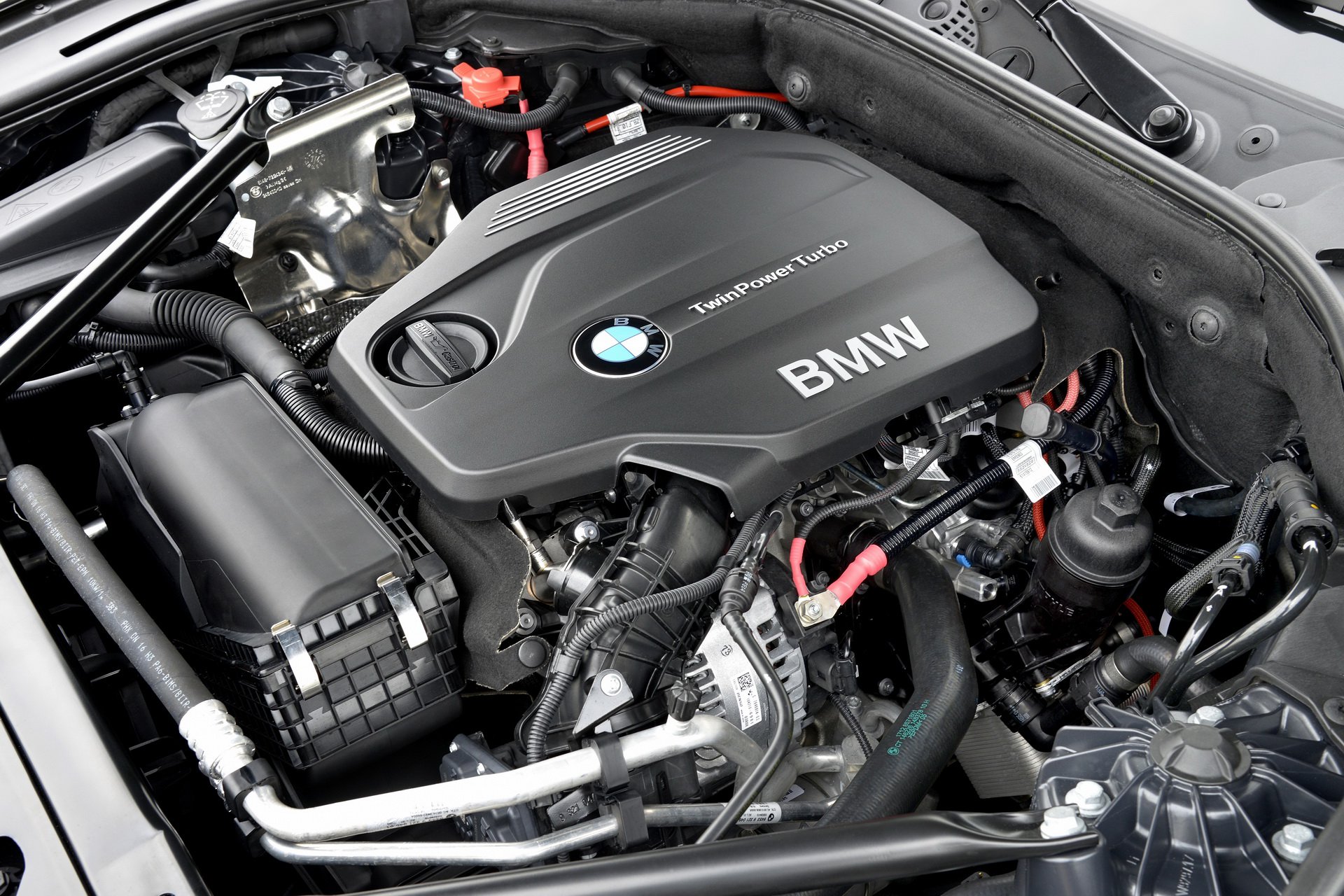
The engine warning light can come on for several reasons and, although not all of them are serious, you should take it into account and take the car to the workshop.
When a car starts up, many things happen. Suddenly, the engine comes to life and the fuel begins to explode in the cylinders, setting everything in motion. Normally, everything works without any further problems and the action of the engine lets us move and reach our destination without trouble. But all the things that happen inside the engine during operation wear down the components that make it up and, although they are designed to withstand conditions for a long time, sooner or later things begin to fail. And then the engine warning light appears, to the driver’s horror.
What is happening when the engine warning light comes on? Is it serious? Do you have to stop the car straight away and call a tow truck, as Sheldon Cooper said in that episode of The Big Bang Theory, or can you carry on regardless, as Penny said? Honestly, it is better to give it our full attention, because it may be a minor gas measurement problem or it may indicate a fault that will leave the car unusable. Let’s look at the reasons why the engine warning light of your car may come on.
Reasons why the engine warning light comes on
It is important to know that there are several reasons why the engine warning light can come on. The car’s owner’s manual normally details these reasons. In addition, the engine warning light may illuminate in several colours, and each of them may indicate a different fault and its severity. Furthermore, the light may start to flash when the problem occurs, and the car may behave strangely in ways that are easy to notice.
- Loss of power: If, in addition to the engine warning light coming on, the car loses power, the engine may have entered emergency mode and be asking you to stop. This is the moment to find a safe place to stop and call a tow truck so that it can be inspected immediately at a trusted workshop.
- Temperature sensor fault: The engine warning light may be accompanied by a rise in temperature, so you should stop and call the workshop so that the car can be collected by tow truck.
- Higher consumption than usual: If an increase in fuel consumption is detected, it may be a fault in the injection system. This problem may be minor at first, but it can get worse and cause a more serious breakdown. A loss of power can also occur, so as soon as the problem is detected it is best to take it to the workshop rather than risk future consequences. It could also be a problem with the air flow meter or with combustion, so if the engine warning light comes on along with a loss of power or higher consumption than normal, the car must be taken to the workshop.
- Electrical fault: The spark plugs can deteriorate and cause poor combustion, which will mean more emissions and other problems that can damage the catalytic converter and lead to a more serious breakdown. The engine warning light can also be triggered by the spark plug leads, which also need to be replaced periodically.
Whatever the problem it signals, whether minor or serious, you must pay attention to the engine warning light. You may not notice anything unusual in the car when it comes on, but do not forget about it and take the car to the workshop as soon as possible. It may be a small fault, but that simply means it can be fixed in time and a more serious breakdown avoided.


 Peugeot E-208 GTi: a battery-powered toy that revives the spirit of the 1980s sports cars
 New Lexus ES: luxury grows and goes electric
 First contact with the Dacia Sandero Hybrid 155: power and efficiency from €19,890
Deja un comentario