Heat can increase the risk of a road accident by 25%
 Mónica Redondo @MonicaRedondoD
20 June 2022
3 min.
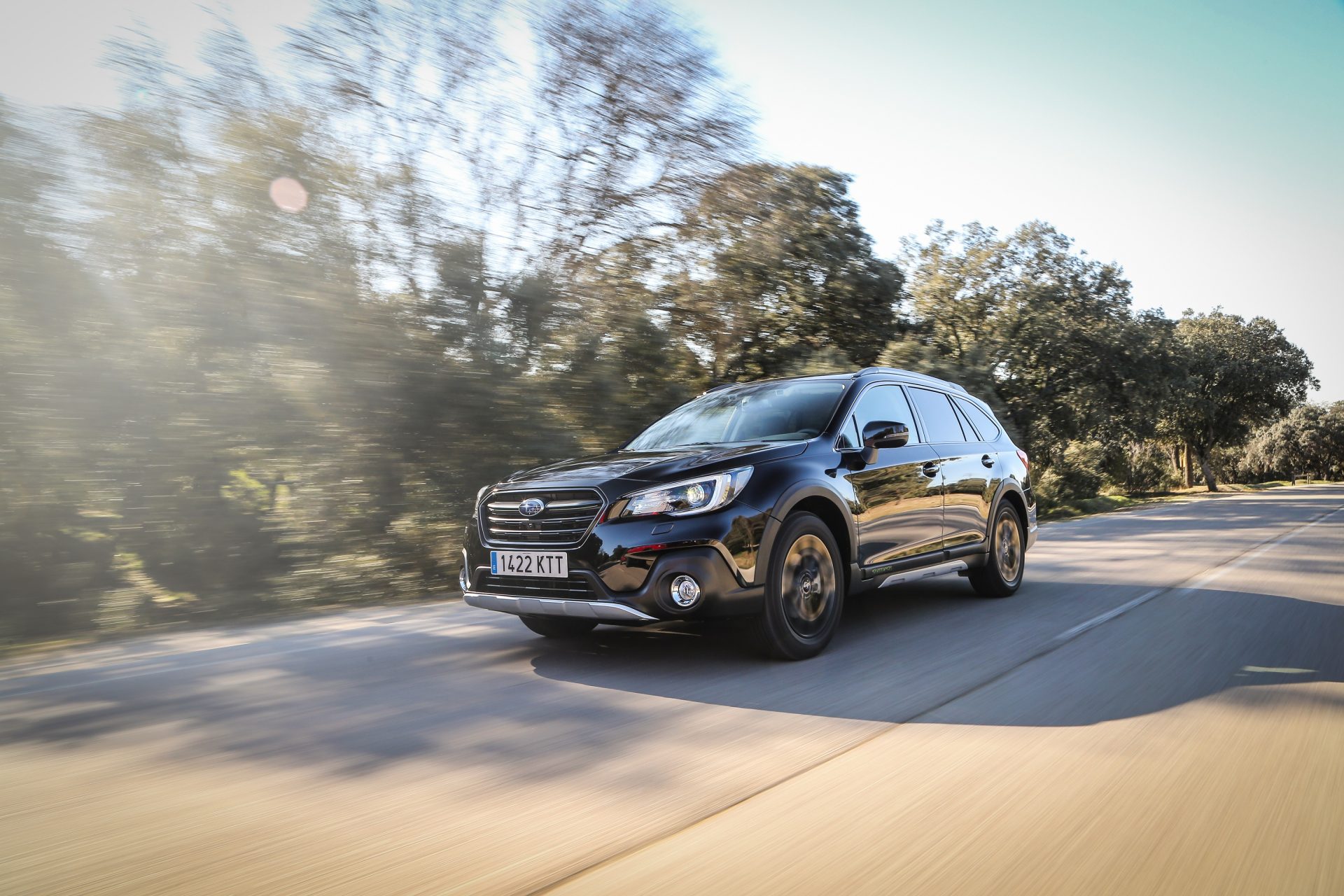
Did you know that high temperatures can increase the risk of a road accident by 25%?
Heat can increase the risk of a road accident by 25%. A temperature of 35ºC inside a vehicle can pose a risk similar to driving with a blood alcohol level of 0.8 g/l. Studies show that heat causes a considerable increase in aggressiveness and traffic offences, especially speeding. In addition, high temperatures increase the risk of tyre blowouts in tyres with inadequate pressure, which can lead to one of the deadliest types of crash.
High temperatures can increase the likelihood of a road accident by between 15 and 25 per cent since, according to Luis Montoro, professor of Road Safety and honorary president of Fesvial, “the complex task of driving is greatly affected by external variables such as intense heat, a situation which, according to studies, has a very direct and dangerous impact on the psychophysical capacities of drivers, considerably increasing road accidents and their severity”.
It is important to note that air conditioning nowadays allows us to drive with the windows closed, improve aerodynamics and reduce fuel consumption, as well as eliminate excessive noise, prevent dust or insects from entering, and avoid our eyes drying out. It is very important that the air conditioning airflow is not too strong and that it is not directed at the chest or head, especially the eyes, so as not to cause eye fatigue or dryness.
What should you keep in mind to avoid road accidents caused by heat?
Remember not to park the car in the sun, as the interior can reach temperatures above 60 degrees. It is advisable to park in shaded areas, protect the cabin with sunshades and, if possible, install approved tinted windows or laminated glass. This system helps lower the interior temperature (improving air conditioning efficiency), reduces the effects of ultraviolet rays without affecting the necessary exterior visibility, and increases comfort while reducing eye fatigue.
Before setting off, you must air out and ventilate the vehicle well: fully open the windows and doors, opening and closing the doors several times so that the hot air inside escapes, keeping the air conditioning running until the cabin reaches a suitable temperature of between 20ºC and 24ºC.
If you are on a journey, do not lower your guard just because you are nearing your destination. You must stay extremely alert and not become complacent, even if you know the route. Some symptoms that may indicate the heat is weakening you include: excessive sweating, pallor or changes in skin colour, changes in pulse and temperature, cramps, excessive tiredness, dizziness, nausea, breathing problems, throbbing headache, confusion, etc. You should also pay attention to other effects such as: increased aggressiveness, drowsiness, longer reaction time, more distractions, eye fatigue, changes in perception of the surroundings, etc.
How to reduce the effects of heat?
- Plan your journey choosing the times with the lowest temperatures.
- Take a break every 200 kilometres and/or every two hours.
- Stay properly hydrated with water or juice.
- Avoid alcohol, coffee, tea and/or energy drinks.
- Avoid heavy meals.
- Wear light colours and loose clothing.
- Wear approved sunglasses.
- Check the vehicle before setting off on a journey. In particular the tyres, filters, air conditioning and battery.


 Peugeot E-208 GTi: a battery-powered toy that revives the spirit of the 1980s sports cars
 New Lexus ES: luxury grows and goes electric
 First contact with the Dacia Sandero Hybrid 155: power and efficiency from €19,890
Deja un comentario