How and when you can drive in reverse
 Victor Alós Yus @sepelaci
12 June 2019
3 min.
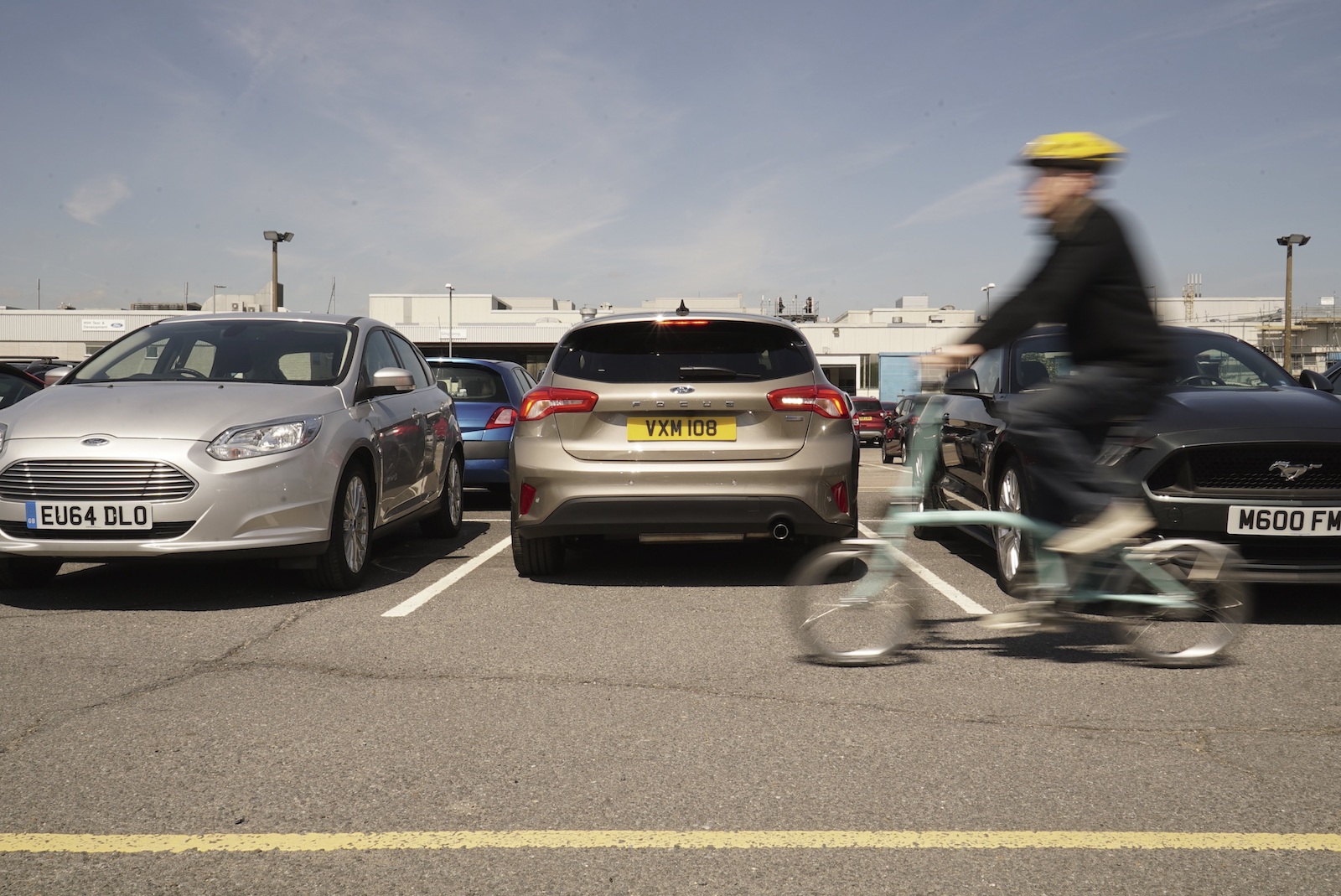
Reversing is often a necessary manoeuvre, but it must be carried out under very specific conditions, which are set out by the regulations
When we drive, there is always a moment when we have to reverse. It may be to park, which is usually the most common case, or to make a U-turn, to leave a dead-end street, or to get out of a garage. But there are always doubts about this way of driving. How and when can you drive in reverse? This is a question we will answer in this article, in which we will tell you when and how you can drive in reverse.
The first thing you need to know is that this is an exceptional way of driving, which is only permitted in very specific circumstances and has many limitations. Reversing can only be used on certain occasions, mainly as a complement to other manoeuvres. The regulations allow reversing “when it is not possible to move forward or change direction and sense of travel, and as a complementary manoeuvre to others“.
Use it over the shortest possible distance: 15 metres maximum
The law also specifies that reversing must be carried out over the shortest possible distance, signalling the manoeuvre correctly and, above all, only if it does not pose a risk to other vehicles or pedestrians. When performing a parking manoeuvre, merging into a lane or stopping, the maximum distance to be covered is 15 metres. In other words, reversing is only permitted if it is necessary, short and risk-free.
Prohibited on motorways and dual carriageways
On roads such as motorways or dual carriageways, reversing is prohibited, although drivers of priority vehicles, such as firefighters, the Guardia Civil, police, ambulances or Civil Protection, may reverse, but only under these safety conditions. To carry out reversing, the RSM rule: Mirrors, Signalling, Manoeuvre must be taken into account.
Always with safety in mind
First, check the mirrors carefully, making sure there are no obstacles, vehicles or people in the path to be covered in reverse. Then signal. Normally the vehicle’s reversing light is activated, although some vehicles may not have one. In that case, signal by extending your arm horizontally with the hand pointing backwards, in a visible way. Finally, carry out the manoeuvre as safely as possible.
It is also important to avoid pressing the clutch fully, in order to keep control of the car and be able to brake effectively. Reversing must be done at low speed, so that you can stop if an obstacle appears, whether a vehicle, a pedestrian or any other object. You must forget about pressing the accelerator fully to cover a certain distance in reverse. This may look good in a series or a film, but in real life this manoeuvre must be carried out with care, always ensuring the safety of yourself and other road users.


 Kia offers an electric range of 10 models, 50 versions and 400 possible combinations
 The seven finalists for the 2027 European Car of the Year (COTY) are exclusively electric
 Peugeot E-208 GTi: a battery-powered toy that revives the spirit of the 1980s sports cars
Deja un comentario