How to Choose a Tech-Savvy Compact SUV in 2026: ADAS, Digital Cockpit and Connectivity That Make the Difference
 Iván Navarro
30 July 2026
5 min.
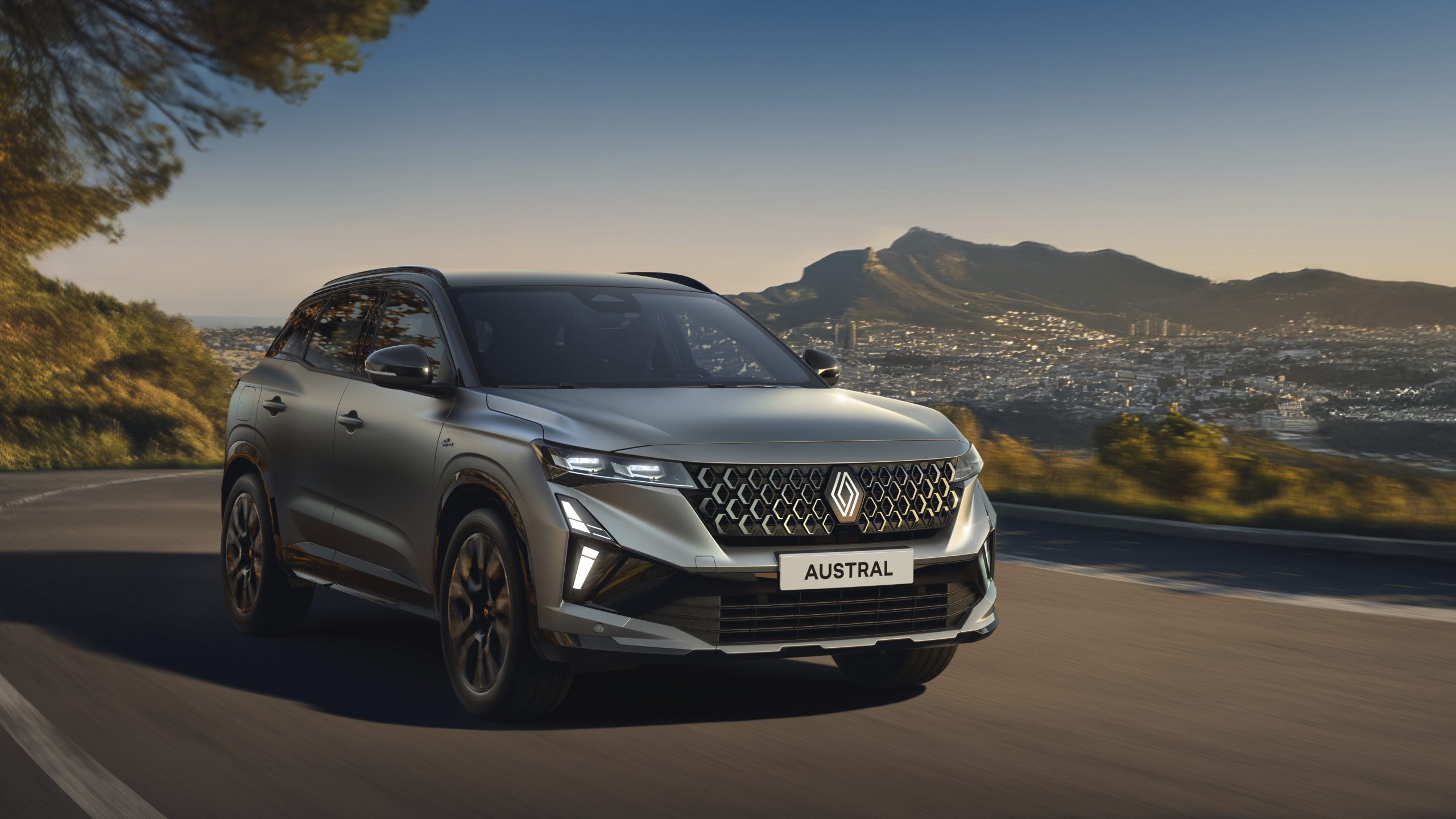
Premium guide to choosing a tech-savvy compact SUV in 2026: Level 2 ADAS, digital cockpit, wireless connectivity and over-the-air updates compared across the most relevant models on the Spanish market.
The C-SUV segment has become the true technological battlefield of the Spanish market. Where buyers once debated boot space and fuel consumption, today they compare head-up display latency, the frequency of OTA updates or how smoothly lane centring handles a curve of varying radius. Choosing a compact SUV in 2026 is no longer just a matter of equipment: it is a decision about electronic architecture.
Why does technology now define the compact SUV?
The average C-SUV buyer in Spain is willing to pay between €35,000 and €50,000. At that level, manufacturers have shifted the competitive focus from the engine to software. The difference between two direct rivals is no longer measured in tenths of a second of acceleration, but in how many sensors feed the ADAS system and how often the car receives wireless improvements.
The four technological pillars in 2026
When comparing a compact SUV with the best ADAS in 2026, it is worth isolating four domains that work as independent pillars:
- Level 2 driver assistance: adaptive cruise control with active lane assist, automatic emergency braking in urban and interurban settings, blind-spot detection and semi-automatic lane changes.
- Digital cockpit: a TFT instrument cluster of at least 12 inches, head-up display and a low-latency menu architecture.
- Wireless connectivity: Apple CarPlay and compact SUV wireless Android Auto as a minimum, cooled inductive charging and integrated 5G connection.
- OTA: the real ability to update ECUs beyond the infotainment system (brakes, suspension, thermal management).
Level 2 ADAS: what you should really demand
A decent Level 2 driver assistance system in 2026 should handle traffic jams without intervention up to around 60 km/h, recognise road signs with a stereo front camera and keep the car in lane with a real lateral margin, rather than bouncing between the lines. The quality of the software shows in smooth transitions and in the absence of false positives.
Digital cockpit: from decoration to tool
A well-resolved digital cockpit integrates navigation with augmented reality, driver profiles synchronised in the cloud and physical shortcuts for climate control. Systems that have entirely eliminated buttons, with few exceptions, tend to penalise ergonomics.
Connectivity: beyond CarPlay
Premium connectivity in a compact SUV includes an eSIM with built-in data, a mobile app with pre-conditioning, NFC digital key and compatibility with natural-language voice assistants.
Hyundai Tucson — from €30,900
The Tucson remains the all-round benchmark. Its Hyundai SmartSense package bundles a complete ADAS suite with Highway Driving Assist, and the 12.3″ curved dual panel offers one of the most coherent digital cockpits in the segment. Wireless Android Auto and CarPlay come as standard on mid-range trims.
| Power kW | Power CV | Top speed | Range | Consumption | Label | Fuel |
|---|---|---|---|---|---|---|
| 132 | 180 | 196 km/h | 900 km | 5.6 l/100 km | ECO | Hybrid |
Kia Sportage — from €30,500
The Tucson’s technical sibling, but with its own personality: a panoramic dual screen, Drive Wise ADAS with assisted lane change and a cleaner interface. Its main strength is the balance between technology and price.
| Power kW | Power CV | Top speed | Range | Consumption | Label | Fuel |
|---|---|---|---|---|---|---|
| 176 | 239 | 196 km/h | 870 km | 6.4 l/100 km | ECO | Hybrid |
Peugeot 3008 — from €38,400
The 21-inch curved panoramic i-Cockpit is, at present, the most spectacular digital cluster in the segment. The STLA Medium platform delivers real OTA updates and Level 2 ADAS with semi-autonomous driving on motorways.
| Power kW | Power CV | Top speed | Range | Consumption | Label | Fuel |
|---|---|---|---|---|---|---|
| 157 | 213 | 170 km/h | 525 km | 17.1 kWh/100 km | ZERO | Electric |
Volkswagen Tiguan — from €38,700
Third generation with MIB4, a 15-inch central screen, Travel Assist 3.0 with swarm data and the new illuminated drive-mode selector. Technological maturity without fuss.
| Power kW | Power CV | Top speed | Range | Consumption | Label | Fuel |
|---|---|---|---|---|---|---|
| 110 | 150 | 207 km/h | 800 km | 6.5 l/100 km | ECO | Hybrid |
Toyota C-HR — from €33,900
A commitment to hybrids and PHEVs with the ZERO label. Toyota T-Mate offers a conservative yet impeccably calibrated ADAS. 12.3″ digital cockpit and wireless connectivity as standard.
| Power kW | Power CV | Top speed | Range | Consumption | Label | Fuel |
|---|---|---|---|---|---|---|
| 164 | 223 | 180 km/h | 66 km electric | 0.9 l/100 km | ZERO | PHEV |
Volvo EX30 — from €36,500
100% electric, native software architecture, full OTA updates and a 12.3-inch central screen as the sole interface. Pilot Assist and camera-based lane departure warning with stereo camera.
| Power kW | Power CV | Top speed | Range | Consumption | Label | Fuel |
|---|---|---|---|---|---|---|
| 200 | 272 | 180 km/h | 476 km | 16.7 kWh/100 km | ZERO | Electric |
Renault Austral — from €35,000
OpenR Link on Android Automotive with integrated Google services, ADAS with four cameras and twelve ultrasonic sensors. One of the best compromises in native connectivity.
| Power kW | Power CV | Top speed | Range | Consumption | Label | Fuel |
|---|---|---|---|---|---|---|
| 147 | 200 | 175 km/h | 950 km | 4.7 l/100 km | ECO | Hybrid |
Cupra Formentor — from €35,500
Facelift with a 12.9-inch screen, expanded ambient lighting and an improved Travel Assist inherited from the VAG group. A sportier take on the technological C-SUV concept.
| Power kW | Power CV | Top speed | Range | Consumption | Label | Fuel |
|---|---|---|---|---|---|---|
| 150 | 204 | 210 km/h | 120 km electric | 1.6 l/100 km | ZERO | PHEV |
Tech-focused compact SUV comparison: summary table
| Model | From | ADAS | Cockpit | OTA | Connectivity | Score |
|---|---|---|---|---|---|---|
| Hyundai Tucson | €30,900 | 9 | 8 | 9 | 8.3 | |
| Kia Sportage | €30,500 | 9 | 8 | 8 | 8.0 | |
| Peugeot 3008 | €38,400 | 9 | 10 | 9 | 8 | 9.0 |
| Volkswagen Tiguan | €38,700 | 9 | 9 | 8 | 8 | 8.5 |
| Toyota C-HR | €33,900 | 8 | 8 | 8 | 7.5 | |
| Volvo EX30 | €36,500 | 9 | 8 | 10 | 9 | 9.0 |
| Renault Austral | €35,000 | 9 | 9 | 9 | 10 | 9.2 |
| Cupra Formentor | €35,500 | 8 | 9 | 8 | 8 | 8.3 |
Editorial verdict
If native connectivity with Google services is the priority, the Renault Austral sets the standard. For those seeking the most cinematic cockpit, the Peugeot 3008. If the aim is a 100% software architecture with real OTA updates, the Volvo EX30 is the benchmark. The Tucson and Sportage remain the most balanced options in terms of technology versus price.
FAQ
What exactly is a Level 2 ADAS?
It is a system that simultaneously combines acceleration, braking and steering under human supervision. The driver must keep their hands on the wheel, and legal responsibility remains theirs.
Is it worth paying more for real OTA updates?
Yes, if you plan to keep the car for more than four years. OTA updates extend the software’s useful life, fix faults without a workshop visit and usually add new features during ownership.
Does wireless Android Auto work well on all these models?
It does on all those mentioned, although connection stability varies. The Hyundai-Kia group and Volvo stand out for an especially robust connection.
Is a single large screen better than a dual-screen cockpit?
The dual screen (cluster + centre) is usually more ergonomic while driving. A single central screen, as in the EX30, requires more adaptation time but allows cleaner interfaces.

 Peugeot E-208 GTi: a battery-powered toy that revives the spirit of the 1980s sports cars
 New Lexus ES: luxury grows and goes electric
 First contact with the Dacia Sandero Hybrid 155: power and efficiency from €19,890
Deja un comentario