Tesla Electric Cars Buying Guides SUV
How to Choose an Electric SUV with the Best Smartphone Integration and Onboard Artificial Intelligence in 2026
 Iván Navarro
14 July 2026
5 min.
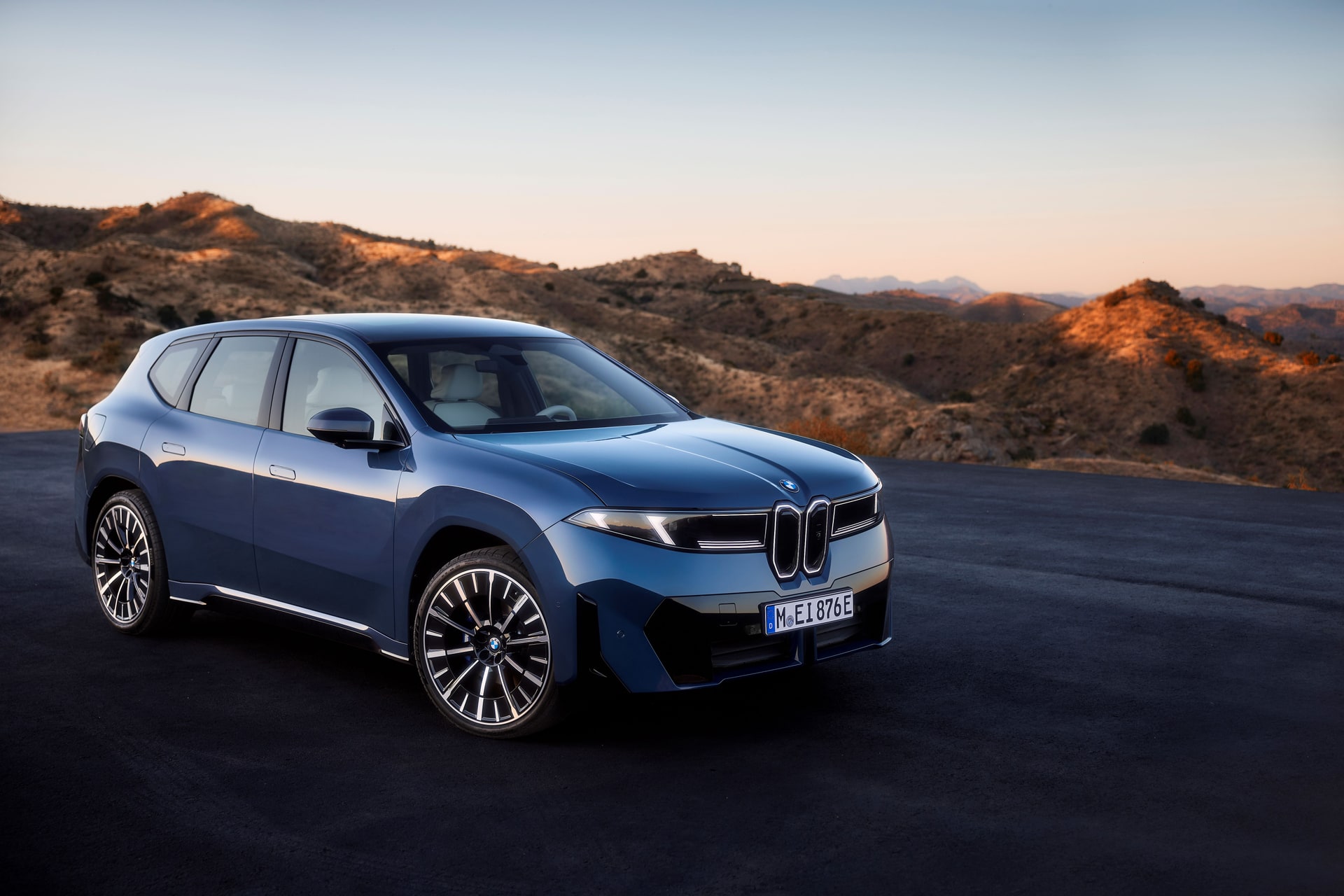
2026 premium guide to choosing the electric SUV with the best infotainment, wireless CarPlay/Android Auto and integrated generative AI in Spain.
The technological leap inside the cabin has become the new battlefield of the electric car. In 2026, choosing an electric SUV is no longer just about comparing ranges and power outputs: software quality, smartphone integration and the capability of onboard artificial intelligence are what separate a car that ages badly from one that improves with every OTA update. This guide answers, using verifiable criteria, the key question for the Spanish buyer: which electric SUV with the best smartphone and AI integration in 2026 is worth it?
Why software integration matters more than ever in an electric SUV
A modern electric SUV spends much of its life connected. Route planning with charging stops, the voice assistant, navigation with real-time traffic data and driver recognition by profile all depend on robust software. A poor infotainment system ruins a 60,000-euro car; an excellent one redeems a 35,000-euro one.
The technical criteria you should demand in 2026
Before looking at catalogues, set the non-negotiable minimums:
- Wireless Apple CarPlay and Android Auto as standard, not as an option.
- Integrated generative AI (ChatGPT, Gemini or proprietary models) with natural language understanding.
- OTA updates that reach the central computer, not just the map.
- Native route planner with battery preconditioning.
- Biometric profiles or phone-based recognition as a digital key.
How generative AI works onboard today
The AI voice assistant in an electric car has stopped being a command search tool. 2026 systems interpret chained instructions (“find a fast charger near an Italian restaurant that is open now”), draft messages, summarise emails and learn routines. The difference between brands lies in latency, data privacy and whether the model runs in the cloud or partly locally.
Tesla Model Y — from 45,970 €
The benchmark in proprietary software. No CarPlay or Android Auto, but an ecosystem as closed as it is polished: an impeccable route planner, integrated Supercharger access, weekly OTA updates and phone-as-key since 2019. Its voice assistant still trails generative AI, but its overall system performance has no rival in fluidity.
| Power kW | Power CV | Top speed | Range | Consumption | Label | Fuel |
|---|---|---|---|---|---|---|
| 220 kW | 299 CV | 201 km/h | 534 km | 15.0 kWh/100 km | Zero | Electric |
BMW iX3 — from 69,900 €
The new iX3 debuts the Neue Klasse architecture and the Panoramic Vision interface, with wireless Apple CarPlay and wireless Android Auto as standard. BMW Intelligent Personal Assistant includes a generative AI layer and the planner integrates chargers with advance booking. One of the most complete systems on the premium market.
| Power kW | Power CV | Top speed | Range | Consumption | Label | Fuel |
|---|---|---|---|---|---|---|
| 345 kW | 469 CV | 210 km/h | 805 km | 16.5 kWh/100 km | Zero | Electric |
Mercedes-Benz EQE SUV — from 92,500 €
Latest-generation MBUX with ChatGPT integration via the MBUX Voice Assistant, optional Hyperscreen and a level of profile personalisation that is hard to beat. Wireless CarPlay and Android Auto, OTA across multiple ECUs and navigation with Electric Intelligence that preconditions the battery with surgical precision.
| Power kW | Power CV | Top speed | Range | Consumption | Label | Fuel |
|---|---|---|---|---|---|---|
| 215 kW | 292 CV | 210 km/h | 596 km | 19.1 kWh/100 km | Zero | Electric |
Volvo EX30 — from 37,195 €
The most affordable electric SUV with Google built-in. Native Google Maps as planner, Google Assistant, Play Store and wireless Apple CarPlay. Frequent OTA updates and a minimalist interface that is controversial but coherent.
| Power kW | Power CV | Top speed | Range | Consumption | Label | Fuel |
|---|---|---|---|---|---|---|
| 200 kW | 272 CV | 180 km/h | 476 km | 16.7 kWh/100 km | Zero | Electric |
Kia EV6 — from 47,965 €
The ccNC system from Kia has taken a notable leap: dual panoramic screens, wireless Android Auto and wireless CarPlay, a planner with preconditioning and OTA updates for the infotainment. Improved voice assistant with contextual recognition.
| Power kW | Power CV | Top speed | Range | Consumption | Label | Fuel |
|---|---|---|---|---|---|---|
| 168 kW | 229 CV | 185 km/h | 582 km | 16.5 kWh/100 km | Zero | Electric |
Hyundai Ioniq 5 — from 44,900 €
It shares the E-GMP platform with the EV6 but opts for a cleaner interface. Wireless CarPlay and Android Auto, OTA, Bluelink with remote control and an integrated planner. Bluelink AI Assistant adds a conversational layer.
| Power kW | Power CV | Top speed | Range | Consumption | Label | Fuel |
|---|---|---|---|---|---|---|
| 168 kW | 229 CV | 185 km/h | 570 km | 16.7 kWh/100 km | Zero | Electric |
Polestar 3 — from 81,900 €
Google built-in with Assistant, Maps and Play Store, plus wireless Apple CarPlay. Computing architecture with NVIDIA DRIVE and OTA across the whole vehicle. One of the best route planners thanks to native Google integration.
| Power kW | Power CV | Top speed | Range | Consumption | Label | Fuel |
|---|---|---|---|---|---|---|
| 360 kW | 489 CV | 210 km/h | 628 km | 19.9 kWh/100 km | Zero | Electric |
Peugeot E-3008 — from 46,240 €
The curved Panoramic i-Cockpit debuts an assistant with ChatGPT integrated via OTA, wireless CarPlay and Android Auto, and an e-Route planner with optimised charging stops. A generational leap over the previous Stellantis software.
| Power kW | Power CV | Top speed | Range | Consumption | Label | Fuel |
|---|---|---|---|---|---|---|
| 157 kW | 213 CV | 170 km/h | 525 km | 17.0 kWh/100 km | Zero | Electric |
Comparison table: software and AI integration ranking
| Model | Wireless CarPlay/AA | Generative AI | OTA | Planner | Range | Score |
|---|---|---|---|---|---|---|
| BMW iX3 | Yes | Yes | Full | Excellent | 805 km | 9.6 |
| Mercedes EQE SUV | Yes | ChatGPT | Full | Excellent | 596 km | 9.4 |
| §7Kiah472§ | CarPlay yes | Google Assistant | Full | Google Maps | 628 km | 9.2 |
| Tesla Model Y | No | Partial | Full | Native | 534 km | 9.0 |
| Volvo EX30 | CarPlay yes | Google Assistant | Full | Google Maps | 476 km | 8.8 |
| Peugeot E-3008 | Yes | ChatGPT | Yes | e-Route | 525 km | 8.5 |
| Kia EV6 | Yes | Basic | Infotainment | Very good | 582 km | 8.3 |
| Hyundai Ioniq 5 | Yes | Bluelink AI | Infotainment | Good | 570 km | 8.2 |
Frequently asked questions
Which electric SUV has the best smartphone and onboard AI integration in Spain in 2026?
The BMW iX3 from the Neue Klasse leads by combining wireless CarPlay and Android Auto, native generative AI, full OTA and a very refined route planner. Mercedes EQE SUV and Polestar 3 are comparable alternatives depending on budget.
Is a Tesla Model Y without CarPlay or Android Auto worth it?
Yes, if you value software fluidity, the Supercharger network and the native planner. No, if you depend on your phone’s apps for work or specific navigation.
Which electric SUV has ChatGPT built in from the factory?
The Mercedes-Benz EQE SUV and the Peugeot E-3008 offer ChatGPT integrated via the voice assistant. Other models incorporate their own generative AI or AI based on Google Gemini.
Do OTA updates really change the car?
With brands such as Tesla, BMW, Mercedes, Volvo and Polestar, yes: control units, ADAS and consumption are updated. With others, OTA is limited to infotainment and maps.


 Peugeot E-208 GTi: a battery-powered toy that revives the spirit of the 1980s sports cars
 New Lexus ES: luxury grows and goes electric
 First contact with the Dacia Sandero Hybrid 155: power and efficiency from €19,890
Deja un comentario