How to Identify a Well-Designed Electric SUV in 2026: Aerodynamics, Brand Identity and Details That Age Well
 Iván Navarro
16 July 2026
6 min.
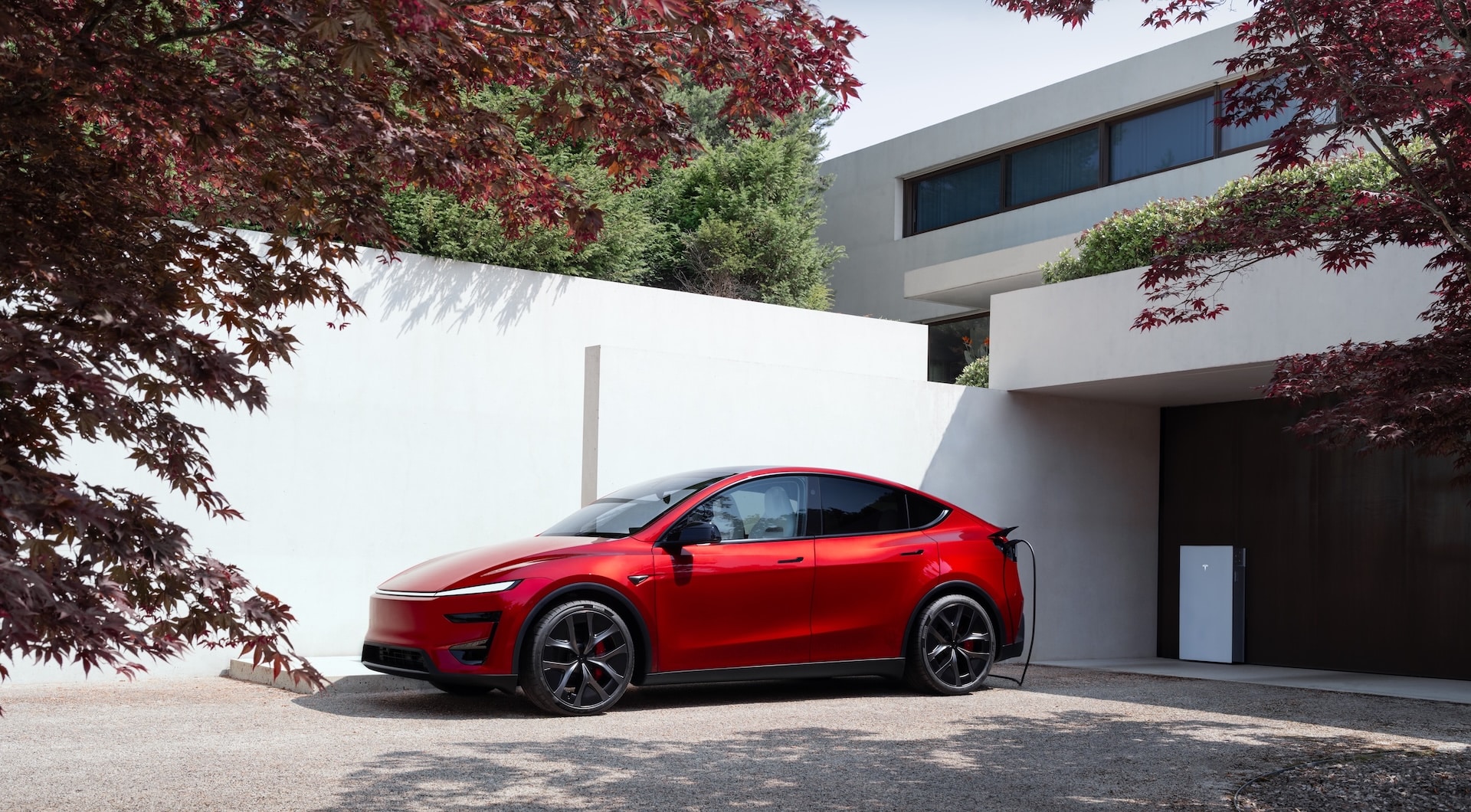
Premium guide to recognising a well-designed electric SUV in 2026: measurable aerodynamic efficiency, coherent brand identity and details that age with elegance.
The electric SUV has become the industry’s aesthetic laboratory. Where chrome grilles once ruled, today a tenth of a drag coefficient, a memorable light signature and an interior that won’t look dated in five years do the work. Identifying a well-designed electric SUV in 2026 is no longer a matter of taste: it means reading three pillars correctly — aerodynamics, identity and timelessness — and understanding how they show up in the models sold today in Spain.
Why design matters more than ever in the electric SUV
An electric SUV without good design is, quite simply, an inefficient SUV. Its shape determines how many kilometres it covers on the same battery, how fast its visual language ages and how much resale value it will retain. In 2026, with mature dedicated platforms and increasingly demanding buyers, design has stopped being cosmetic and has become visible engineering.
Pillar 1: measurable aerodynamics — the Cx is no longer marketing
Aerodynamics in an electric SUV has stopped being a buried figure on the spec sheet. Today it is a commercial argument. A drag coefficient (Cx) below 0.28 in a mid-size SUV is excellent; below 0.25, outstanding.
Aero wheels, flush door handles and a flat underbody
The visual clues are clear: wheels with plastic inserts that close off the spokes, door handles that retract flush with the bodywork, mirrors with a teardrop profile and a faired underbody that the buyer rarely sees but which contributes up to 5% of efficiency. If the SUV you are looking at combines all three, you are on the right track.
Tesla Model Y — from €40,990
The Tesla Model Y remains the aerodynamic benchmark of the segment with a Cx of 0.23, a figure unusual for an SUV. Its stretched-monovolume silhouette does not appeal to everyone, but it follows an uncompromising logic of efficiency.
| Power kW | Power CV | Top speed | Range | Consumption | Label | Fuel |
|---|---|---|---|---|---|---|
| 220 kW | 299 CV | 201 km/h | 534 km | 15.0 kWh/100km | Zero | Electric |
Pillar 2: brand identity — recognisable at 200 metres
An electric SUV’s brand identity is decided at night. If the light signature of the car in front of you tells you “this is a BMW” or “this is a Hyundai” without needing to see the logo, the designer has done their job.
Light signatures and family language
Hyundai’s parametric pixels, Mercedes’ split headlights, Peugeot’s double luminous L. A brand that changes its language every generation loses residual value; one that evolves without breaking with its past gains it.
Hyundai Ioniq 5 — from €42,900
The Hyundai Ioniq 5 is the example of a well-built identity. Its pixels, its inflated hot-hatch silhouette and its unlikely proportions (a 3-metre wheelbase on a compact length) have created a language of its own that now defines the whole Ioniq family.
| Power kW | Power CV | Top speed | Range | Consumption | Label | Fuel |
|---|---|---|---|---|---|---|
| 168 kW | 229 CV | 185 km/h | 507 km | 16.7 kWh/100km | Zero | Electric |
Kia EV9 — from €73,500
The Kia EV9 takes “Opposites United” to the extreme with taut surfaces, vertical headlights and the presence of a carved block that no rival imitates. Three real rows of seats, a family vocation and, above all, a design that looks like nothing else.
| Power kW | Power CV | Top speed | Range | Consumption | Label | Fuel |
|---|---|---|---|---|---|---|
| 150 kW | 204 CV | 185 km/h | 563 km | 20.2 kWh/100km | Zero | Electric |
Pillar 3: timelessness — what ages with dignity
Design trends in electric cars accelerate, but good designs ignore them. A yoke steering wheel, a poorly integrated floating screen or shifting ambient lighting are ephemeral devices. Noble materials, visible stitching and essential physical controls are timeless.
BMW iX — from €88,500
The BMW iX divides opinion with its huge closed grille, but its interior is probably the most timeless in the premium segment. Real wood, Swarovski crystal on critical controls and a horizontal architecture that will age well.
| Power kW | Power CV | Top speed | Range | Consumption | Label | Fuel |
|---|---|---|---|---|---|---|
| 240 kW | 326 CV | 200 km/h | 425 km | 19.4 kWh/100km | Zero | Electric |
Audi Q6 e-tron — from €69,900
The Audi Q6 e-tron exemplifies German restraint: clean surfaces, a programmable OLED light signature and a cabin where nothing shouts. It is the electric SUV that will still look current ten years from now.
| Power kW | Power CV | Top speed | Range | Consumption | Label | Fuel |
|---|---|---|---|---|---|---|
| 285 kW | 387 CV | 210 km/h | 625 km | 17.0 kWh/100km | Zero | Electric |
Mercedes EQE SUV — from €89,000
The Mercedes EQE SUV opts for cab-forward proportions and extreme aerodynamic work. Its Hyperscreen polarises, but the whole breathes sophistication.
| Power kW | Power CV | Top speed | Range | Consumption | Label | Fuel |
|---|---|---|---|---|---|---|
| 215 kW | 292 CV | 210 km/h | 552 km | 19.1 kWh/100km | Zero | Electric |
Peugeot E-3008 — from €44,840
The Peugeot E-3008 redefines the mainstream segment with a fastback SUV of sharp lines and a curved panoramic i-Cockpit. Bold yet coherent with the brand’s language.
| Power kW | Power CV | Top speed | Range | Consumption | Label | Fuel |
|---|---|---|---|---|---|---|
| 157 kW | 213 CV | 170 km/h | 525 km | 17.1 kWh/100km | Zero | Electric |
How to choose a well-designed electric SUV: the verdict table
Weighted score considering aerodynamics, brand identity coherence, interior timelessness and real-world range.
| Model | Range | CV | Price from | Aerodynamics | Identity | Timelessness | Overall score |
|---|---|---|---|---|---|---|---|
| Tesla Model Y | 534 km | 299 | €40,990 | 10 | 7 | 7 | 8.5 |
| Hyundai Ioniq 5 | 507 km | 229 | €42,900 | 8 | 10 | 9 | 9.0 |
| Kia EV9 | 563 km | 204 | €73,500 | 7 | 10 | 9 | 8.7 |
| BMW iX | 425 km | 326 | €88,500 | 8 | 8 | 9 | 8.3 |
| Audi Q6 e-tron | 625 km | 387 | €69,900 | 9 | 8 | 10 | 9.1 |
| Mercedes EQE SUV | 552 km | 292 | €89,000 | 9 | 8 | 8 | 8.3 |
| Peugeot E-3008 | 525 km | 213 | €44,840 | 8 | 9 | 8 | 8.4 |
Frequently asked questions
What drag coefficient is good for an electric SUV in 2026?
Below 0.28 is considered notable; under 0.25 is excellent. The Tesla Model Y at 0.23 sets the segment benchmark, while the Audi Q6 e-tron comes in around 0.28 despite its more classic silhouette.
How do I know if an electric SUV has a strong brand identity?
If you can recognise it at night from its light signature alone, and by day from its proportions without seeing the logo, the identity is well built. The Hyundai Ioniq 5, Kia EV9 and Peugeot E-3008 are clear examples.
Which interior details age poorly in an electric car?
Excessive ambient lighting, poorly integrated dashboard screens, touch controls for critical functions and imitation materials. Interiors with essential physical controls and noble materials stand the test of time better.
Is it worth paying more for a premium design in an electric SUV?
Yes, mainly for residual value. A coherent, timeless design — like that of the Audi Q6 e-tron or the BMW iX — depreciates less over five years than one loaded with ephemeral devices, and also offers better everyday perceived quality.


 Kia offers an electric range of 10 models, 50 versions and 400 possible combinations
 The seven finalists for the 2027 European Car of the Year (COTY) are exclusively electric
 Peugeot E-208 GTi: a battery-powered toy that revives the spirit of the 1980s sports cars
Deja un comentario