Hybrid, electric or petrol: which to choose based on your driving style
 Iván Navarro
7 May 2026
3 min.
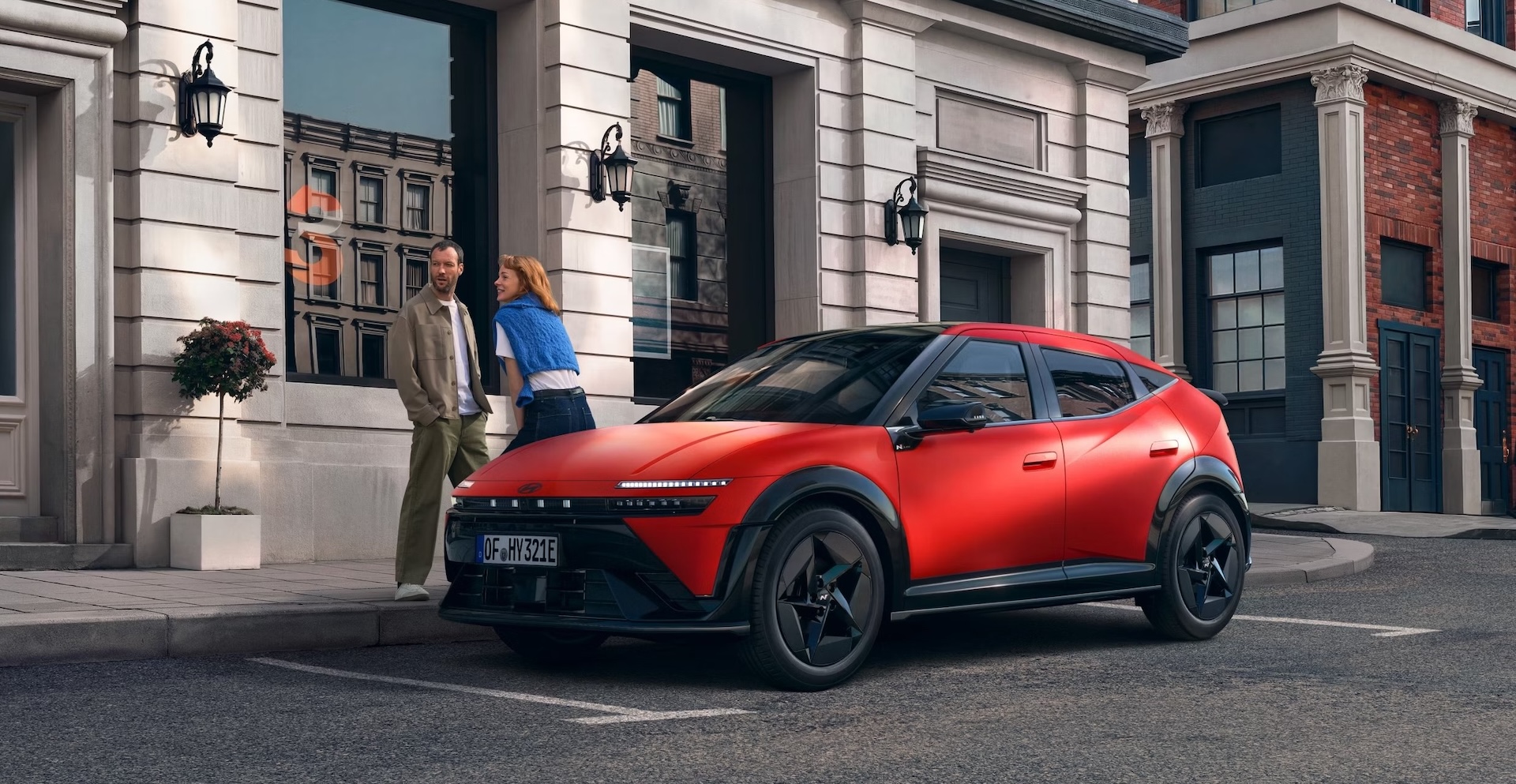
If you drive more than 200 km a day on motorways, choosing an electric vehicle without a charging plan can end up costing you a lot.
Do you drive less than 50 km a day or make frequent long trips? Choosing between a hybrid, an electric** or a petrol car can make a real difference in actual running costs, comfort and stress at the wheel.
How to decide in 60 seconds:
Define your average daily journey, access to charging and budget. Then apply the recommendation that follows for your profile.
Profile 1 — Urban driver (less than 50 km/day)
If your journeys are short and repetitive, an electric or plug-in hybrid are the best options. In the city, an electric car drastically reduces the cost per km and maintenance. You need home charging or reliable access to charging points: with 7–11 kW in a wallbox you will have a full overnight charge for most compact electric cars.
Profile 2 — Mixed driver (50–150 km/day, with occasional long trips)
A (non-plug-in) hybrid or a plug-in hybrid best balance the two: savings in urban driving and range for longer trips. A hybrid requires no infrastructure; a plug-in will give you 40–70 km of real electric range if you charge it daily (WLTP usually quotes 50–60 km, while real urban range is 35–55 km).
Profile 3 — Motorway and frequent long trips (more than 150–200 km/day)
For long journeys, petrol (or diesel if you cover a high mileage on motorways) remains the most practical option in terms of time and refuelling cost. An electric car can work if your route has 100–250 kW fast chargers and you accept stops of 20–40 minutes.
What you should know
- Real electric range: expect 70–85% of the WLTP figure in mixed driving; in the city it can approach 100% thanks to regenerative braking.
- Typical home charging: 3.7–7.4 kW (standard socket or basic wallbox) — enough for urban use; for long trips look for 11 kW or more.
- Purchase cost: a new electric car usually costs between €5,000 and €15,000 more than an equivalent petrol model; grants and fuel savings shorten the payback period.
- Maintenance: electric cars have fewer moving parts → reduced brake and oil maintenance; hybrids are more complex due to their dual system.
- If you have no charging at home or at work, rule out an electric car unless you drive very little.
Practical advice from driver to driver
- If you get around the city and can charge at home, prioritise an electric car and look for a 7–11 kW wallbox.
- If you make mixed trips and don’t want to depend on en-route charging, a plug-in hybrid with 40–60 km of real electric range gives you the best of both worlds.
- If your priority is time and range without stops, sticking with petrol avoids compromises and is cheaper in the short term.
- Check the local charging network on your usual routes: availability and power determine whether an electric car is practical.
Final conclusion
In the coming months we will see more affordable electric cars with more widespread fast charging; in the meantime, the best choice depends on your actual usage pattern: electric for the city with charging — though not only —, hybrid for mixed driving that seeks savings without sacrifices, and petrol for those who prioritise time and range. If in doubt, work out your real mileage and the charging points in your area: the numbers don’t lie.

 Peugeot E-208 GTi: a battery-powered toy that revives the spirit of the 1980s sports cars
 New Lexus ES: luxury grows and goes electric
 First contact with the Dacia Sandero Hybrid 155: power and efficiency from €19,890
Deja un comentario