Hyundai and the best electric options on the market 2026: Prices and recommendations
 Dani Montesinos
27 March 2026
9 min.
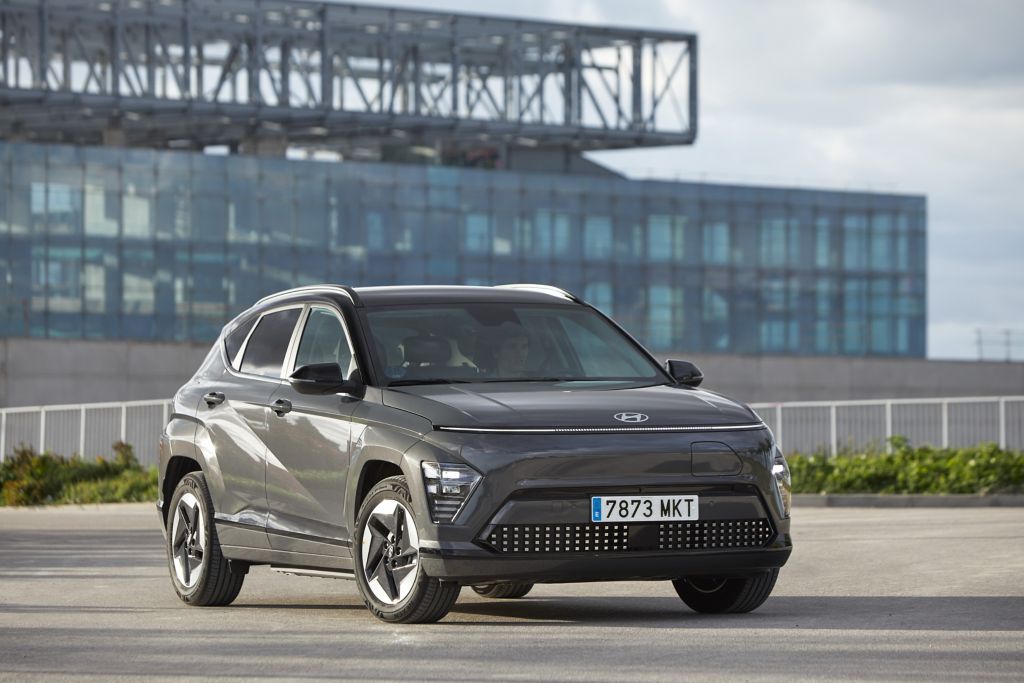
If you are thinking of getting an electric Hyundai, or any other of the brands in the group, we suggest five models for you to consider
Hyundai and the best electric options on the market 2026 remain a benchmark for anyone looking for a balance between range, technology and real cost of use. In this guide we analyse the most relevant models linked to Hyundai and some direct alternatives, with market data, starting prices in Spain and practical specifications that shape the purchase decision.
The electric market has continued to expand and, according to reports from ANFAC and official manufacturer data sheets, it is growing year after year in all segments. Today’s buyer looks for a product that offers real-world range suited to their use, fast charging and a cost per kilometre that is competitive compared with combustion or hybrid cars. The average price of the electric cars with the greatest presence in Spain is above that of compact petrol and diesel cars, so the decision is usually guided by real use and annual mileage.
In this guide you will find clear analysis, practical comparisons and genuine buying advice: which technology to choose, why an electric Hyundai may suit you and which alternatives to consider if you prioritise range, cost or space.
These are the most balanced models if you are looking for range and efficiency.
If you need to cover long journeys with peace of mind, the best option is usually electric cars with large-capacity batteries and platforms optimised for efficiency; if your use is urban, compact cars with a mid-sized battery and fast charging may be more economical. The selection includes data from km77, official manufacturer data sheets and representative WLTP figures.
What a car needs to meet this requirement
To choose an electric car in 2026, three aspects should be prioritised: real-world range (WLTP close to real use), charging speed and total cost of ownership. Technologies such as battery thermal management, aerodynamic efficiency and the on-board charger’s power directly affect everyday experience.
It is also key to assess the charging network and charging times: fast-charging capabilities (50–250 kW) reduce the impact of limited range. In parallel, starting prices in Spain for models in the mid-to-upper segment usually range between €35,000 and €60,000 depending on equipment and range.
As for powertrains, petrol, diesel, hybrid, PHEV and electric coexist on the market; this guide focuses on the electric option, but it is always advisable to compare hybrid/PHEV alternatives if your use is mixed.
Model selection
Hyundai Ioniq 5
Why it is a good choice
- Dedicated E-GMP platform with a good balance between range and interior space.
- Competitive fast charging and habitability similar to a mid-size SUV.
- Wide range of versions and a good equipment-to-price ratio.
Ideal if you are looking for
A spacious SUV-crossover for long journeys with occasional family use and frequent charging on the road.
| Data | Value |
|---|---|
| Powertrain | Electric |
| Environmental label | ZERO |
| Power | from 170 CV to 325 CV |
| Range | approx. 570 km WLTP (84 kWh RWD version) |
| Consumption | 16.0 – 16.9 kWh/100 km (WLTP combined) |
| Price from | €30,985 |
Hyundai Ioniq 6
Why it is a good choice
- Saloon design with excellent aerodynamic efficiency; stands out for real-world consumption.
- Leading range in its segment for long journeys.
- Advanced battery management and fast-charging technology.
Ideal if you are looking for
An efficient electric car for many kilometres of road driving with reduced consumption by design.
| Data | Value |
|---|---|
| Powertrain | Electric |
| Environmental label | ZERO |
| Power | from 170 CV to 325 CV |
| Range | approx. 680 km WLTP (84 kWh RWD version) |
| Consumption | 13.5 – 15.5 kWh/100 km (WLTP combined) |
| Price from | €30,965 |
Hyundai Kona Electric
Why it is a good choice
- Compact city car with good range for its size.
- Agile handling in town and manageable running costs.
- More affordable alternative within the Hyundai electric line-up.
Ideal if you are looking for
A car for the city that can also handle weekend getaways without much worry about range.
| Data | Value |
|---|---|
| Powertrain | Electric |
| Environmental label | ZERO |
| Power | 135 or 204 CV |
| Range | 510 km WLTP (64 kWh version) |
| Consumption | 14.7 kWh/100 km (WLTP combined) |
| Price from | €25,790 |
Genesis GV60
Why it is a good choice
- Premium product of the Hyundai group with a dynamic and technological focus.
- Carefully finished interiors and powerful fast charging.
- A good fit for those seeking comfort and performance in a compact premium size.
Ideal if you are looking for
A premium-oriented electric car with finishes and equipment superior to the mainstream segment.
| Data | Value |
|---|---|
| Powertrain | Electric |
| Environmental label | ZERO |
| Power | 490 CV (representative version) |
| Range | 517 km WLTP (rear-wheel drive version) |
| Consumption | 16.5 kWh/100 km (WLTP combined) |
| Price from | approx. €52,000 |
Kia EV6
Why it is a good choice
- Sister platform to the Hyundai Ioniq 5, with a good balance between dynamics and range.
- GT-Line version and variants with very fast charging.
- Attractive value compared with alternatives within the group.
Ideal if you are looking for
An electric car with a balanced sporty character and a good service network within the group.
| Data | Value |
|---|---|
| Powertrain | Electric |
| Environmental label | ZERO |
| Power | from 170 to 650 CV |
| Range | 582 km WLTP (RWD long range version) |
| Consumption | 15.9 – 16.9 kWh/100 km (WLTP combined) |
| Price from | €38,900 |
Which car to choose according to your case
If you do a lot of city driving
Choose compact models with a mid-capacity battery and good efficiency: the Hyundai Kona Electric is a clear option for its size, manoeuvrability and cost. The ZERO label makes it easier to park in regulated areas and access restricted zones in many cities.
If you cover many kilometres
Prioritise high WLTP range and fast charging: the Ioniq 6 or the long-range Ioniq 5 offer a balance between real consumption and road performance. Battery thermal management and charging power make the difference on long journeys.
If you want to save money
Assess the cost per kilometre, warranties and after-sales offers. Compact cars and models from the Hyundai/Kia group usually offer competitive cost per kWh and maintenance; the Hyundai Kona Electric or base versions of the Hyundai Ioniq 5 balance initial investment and running costs.
If you want technology
The Genesis GV60 and the top versions of the Ioniq 5/Ioniq 6 include advanced driver assistance, bidirectional charging and infotainment systems with OTA updates. If the technology experience is a priority, be prepared for a higher budget.
Interesting alternatives within the same budget
Models to consider if your budget is similar: Tesla Model Y (range and Supercharger network), Volkswagen ID.4 (stable platform and space) and BMW i4 (dynamics and premium feel). In addition, the Kia EV6 and Genesis GV60 are direct alternatives within the Hyundai group.
FAQ – FREQUENTLY ASKED QUESTIONS
Why choose an electric Hyundai in 2026?
Hyundai offers mature platforms (E-GMP), a wide service network in Spain and versions with a good balance between range and price. The models cover everything from city cars such as the Hyundai Kona Electric to efficient saloons such as the Hyundai Ioniq 6, with battery warranties and fast-charging technology.
What DGT label will these models have?
The models listed are electric and therefore carry the ZERO label from the DGT, which offers advantages in accessing restricted zones and parking in many cities.
How do you compare WLTP range with real-world use?
WLTP range is indicative; on high-speed routes, with air conditioning or in winter it tends to drop. For real planning it is advisable to subtract 10–20% from the WLTP figure on mixed journeys, and more in extreme conditions.
What influence does charging power have on daily use?
Higher charging power (e.g. 150–250 kW) reduces times on long journeys; in urban use the time spent at slow charging points is less decisive, but for frequent travel the maximum usable power defines the travel experience.
Is an electric car or a plug-in hybrid better if I do few kilometres?
If you do few kilometres a day and do not make frequent motorway trips, a PHEV can be attractive for its versatility. If you want to simplify and reduce the cost per kilometre in the medium term, a pure electric car with a good charging network is preferable.
What battery warranty do these models have?
The standard warranty from manufacturers in the Hyundai group usually covers the battery for 8 years or 160,000 km (depending on the current commercial policy and the version). Always check the official data sheet and conditions on the manufacturer’s website.
Expert opinion
Beyond the official figures, the choice between the Hyundai Ioniq 5, Ioniq 6, Kona Electric or group alternatives depends on real use and available budget. If your priority is range on frequent trips, the Ioniq 6 with the long-range battery or the Ioniq 5 in its highest-capacity version are robust options, with good thermal management and fast-charging capability that reduce the impact of long journeys. For urban and suburban use, the Kona Electric offers the best size-to-range ratio and a more contained purchase cost.
If the budget allows a premium or technology-focused choice, the Genesis GV60 adds finishes and performance that justify the difference. Group models such as the Kia EV6 are also interesting alternatives if you are looking for dynamics and value for money.
In short: if you drive more than 20,000 km a year and prioritise motorway travel, opt for the Ioniq 6 or the Ioniq 5 with the long-range battery. If your use is urban and you are looking to save money, the Kona Electric is a more rational option. For those who value technology and comfort above price, the Genesis GV60 or top versions of the Ioniq 5 are worth considering. The final decision should combine real-world range, cost per kilometre and the charging network you normally use: these factors determine economic performance and daily satisfaction far more than a WLTP figure on its own.


 Peugeot E-208 GTi: a battery-powered toy that revives the spirit of the 1980s sports cars
 New Lexus ES: luxury grows and goes electric
 First contact with the Dacia Sandero Hybrid 155: power and efficiency from €19,890
Deja un comentario