EV6 Hyundai IONIQ Ioniq 5 KIA Sportage Tucson Electric Cars Comparisons SUV
Hyundai IONIQ 5 vs KIA EV6: which electric compact SUV from Korea offers better real-world range and usability in 2026
 Iván Navarro
18 November 2026
5 min.
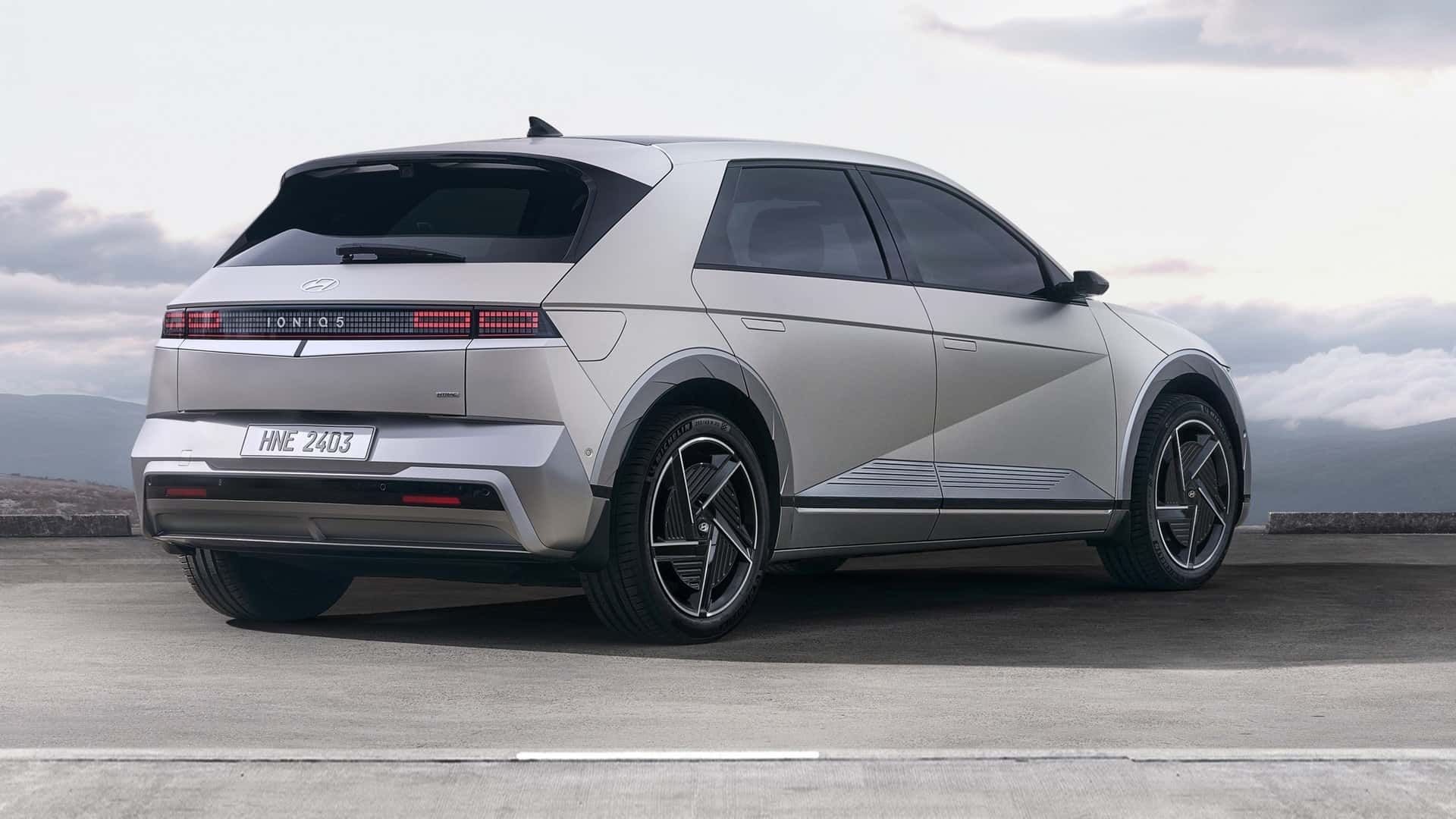
We compare the Hyundai IONIQ 5 and the KIA EV6, the two Korean electric compact SUVs built on the E-GMP platform, in real-world range, price and philosophy of use in 2026.
Two cars born from the same platform, the same industrial group and almost the same figures on the spec sheet. And yet, driving one or the other leaves different impressions. That is the point of this comparison: it is not about finding an overwhelming winner, but about understanding which nuance of character justifies paying more for one of the two.
Hyundai IONIQ 5, from approximately €44,700 RRP
The Hyundai IONIQ 5 is the electric compact SUV that has made comfort its main selling point. Angular design inspired by the 1980s, a cabin that feels larger than the bodywork figures suggest, and a suspension that prioritises comfort over firmness. In the 170 63kWh Light version, it features a 125 kW (170 CV) motor and a 63 kWh battery that is rated at 440 km of range.
It is a car that is more enjoyable when driven relaxed. The steering is light, perhaps too light for those seeking feedback, but ideal for those who cover long distances and want to arrive without fatigue.
| Version | Power (kW) | Power (CV) | Top speed | Range | Battery | Fuel |
|---|---|---|---|---|---|---|
| 170 63kWh Light 5p Aut. | 125 kW | 170 CV | 185 km/h | 440 km | 63 kWh | Electric |
KIA EV6, from approximately €48,500 RRP
The KIA EV6 is based on the same E-GMP architecture, but its lower, sportier body reveals a different intention. Here the goal is not to float, but to corner well. The Electric Standard Range 170 63kWh Air version delivers the same power as the IONIQ 5 (125 kW, 170 CV) with the same 63 kWh battery, but is rated at 428 km of range, slightly below its Hyundai sibling.
Does that compensate for the 12 km less and the higher price? It depends on what you are looking for. The EV6 responds with more eagerness in corners, its centre of gravity feels lower and the steering conveys slightly more information. For those who value the act of driving over rear space, it makes sense.
| Version | Power (kW) | Power (CV) | Top speed | Range | Battery | Fuel |
|---|---|---|---|---|---|---|
| Electric Standard Range 170 63kWh Air 5p Aut. | 125 kW | 170 CV | 185 km/h | 428 km | 63 kWh | Electric |
Real-world range: 12 kilometres that decide nothing
On paper the difference is minimal: 440 km for the IONIQ 5 versus 428 km for the EV6, with an identical 63 kWh battery and the same 125 kW power. In daily use, that margin is diluted by driving style, climate control or the route. It is not range that separates these two cars, it is the stance each takes towards the road.
Design and habitability: opposing philosophies on the same chassis
The IONIQ 5 wins on interior sense of space, with a flat floor that makes it easy to move between the front seats and a futuristic lounge-like styling. The EV6 gives up some of that practicality in exchange for a sportier roofline that slightly restricts rear headroom. Anyone who carries child seats daily will notice this sooner than someone who uses the car alone.
Technology and charging experience
Both share the fast-charging capability of the E-GMP platform, with similar recharge times thanks to the shared architecture. The difference lies in the interface: the Hyundai opts for a more sober dual-screen layout, while KIA takes a somewhat sportier approach to the instrumentation. Neither surprises negatively, but there is no clear advantage of one over the other.
Price and versions available in Spain
Here there is a difference that matters: the Hyundai IONIQ 5 starts at around €44,700 RRP, while the KIA EV6 starts at around €48,500 RRP. That is almost €4,000 of difference for practically equivalent range, which makes the IONIQ 5 the more reasonable option if budget is the priority. These prices are the manufacturer’s recommended retail prices, without dealer discounts, one-off campaigns or purchase grants. If you are considering the Plan Auto+ scheme, it is worth checking the current amount on the official website before closing the deal, as it may vary depending on the call.
Comparative summary table
| Model | Power | Range | Battery | Price from | Score |
|---|---|---|---|---|---|
| Hyundai IONIQ 5 | 170 CV | 440 km | 63 kWh | €44,700 | 8.5/10 |
| KIA EV6 | 170 CV | 428 km | 63 kWh | €48,500 | 8/10 |
Verdict: which is worth more in 2026?
If use is family-oriented and budget is a constraint, the Hyundai IONIQ 5 wins on space, slightly higher range and a more competitive price. The KIA EV6 has a catch: it commands a premium of around €3,800 for a sportier character and slightly less range. It is more fun, yes, but not for every budget. Anyone who has already looked at the Hyundai Tucson versus the KIA Sportage hybrid will recognise the pattern: Hyundai prioritises comfort and distance per euro invested, while KIA bets on the act of driving. If you are also looking for options under €60,000 with greater electric range, you may want to review the ranking of electric SUVs with the greatest officially rated real-world range.
Frequently asked questions
What is the real-world range of the Hyundai IONIQ 5 and the KIA EV6?
The Hyundai IONIQ 5 is rated at 440 km with its 63 kWh battery, while the KIA EV6 is rated at 428 km with the same battery capacity. The difference between them is just 12 km.
Which is cheaper, the IONIQ 5 or the EV6?
The Hyundai IONIQ 5 starts at around €44,700 RRP, compared with approximately €48,500 RRP for the KIA EV6, a difference of almost €4,000 in favour of the Hyundai model.
Do both models have the same power?
Yes, both share 125 kW (170 CV) in their entry versions with the 63 kWh battery, as they share the E-GMP platform of the Hyundai-Kia group.
Which should I choose, the IONIQ 5 or the EV6?
The IONIQ 5 is the better recommendation for those who prioritise space, comfort and a competitive price. The EV6 makes sense if a more dynamic character behind the wheel is valued and the extra cost can be justified.
Technical specifications of the cars in this article

 Kia offers an electric range of 10 models, 50 versions and 400 possible combinations
 The seven finalists for the 2027 European Car of the Year (COTY) are exclusively electric
 Peugeot E-208 GTi: a battery-powered toy that revives the spirit of the 1980s sports cars
Deja un comentario