Avenger Hyundai Jeep Kona Mokka Opel Electric Cars Comparisons SUV
Hyundai Kona Electric vs Opel Mokka Electric: battle of urban BEV B-SUVs on equipment-to-price ratio
 Iván Navarro
18 November 2026
6 min.
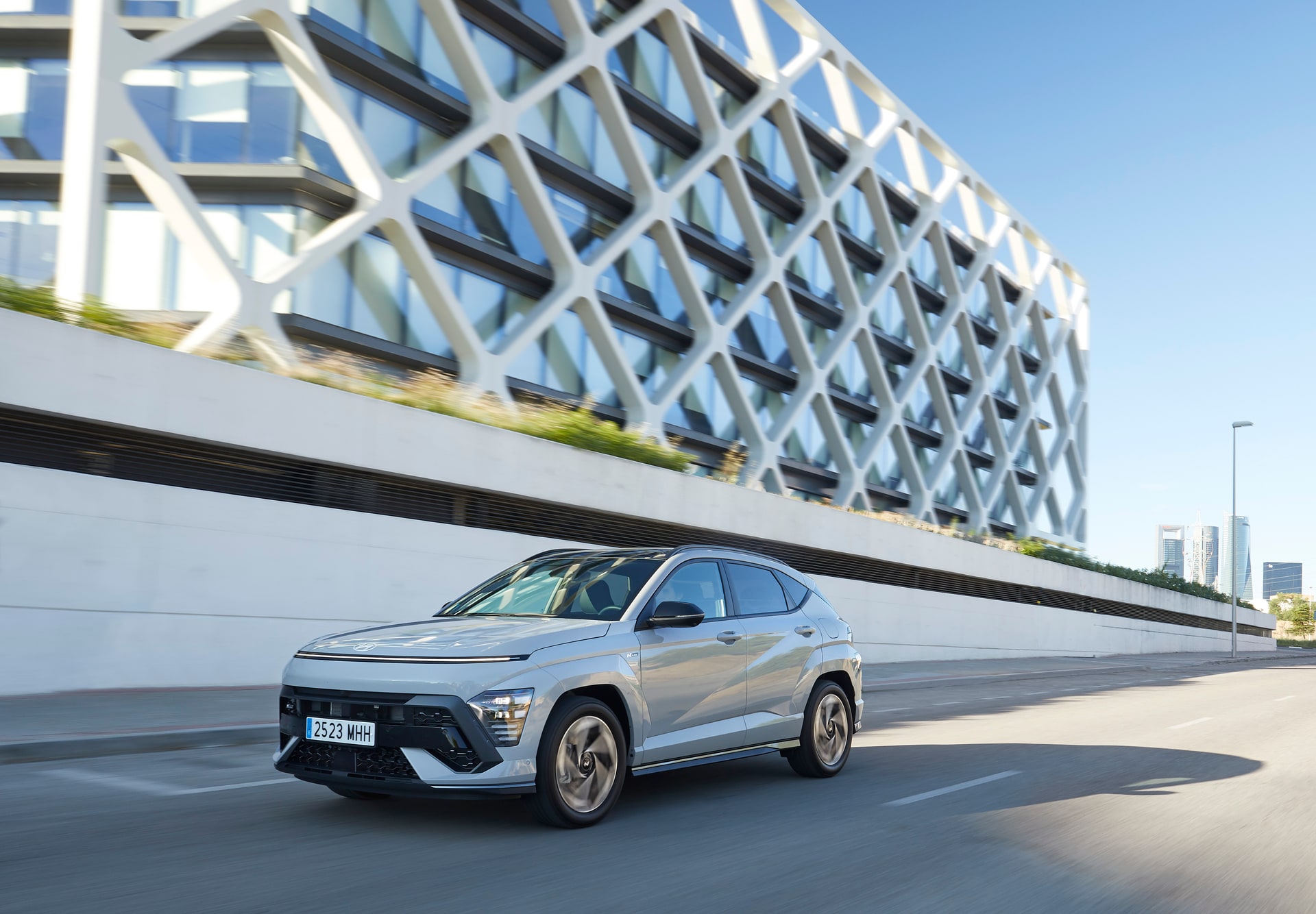
We compare the Hyundai Kona Electric and the Opel Mokka Electric, two 100% electric B-SUVs designed for the city, analysing range, power and equipment-to-price ratio using official spec sheet figures.
The electric B-SUV segment is no longer the exclusive territory of mainstream brands with little room to manoeuvre. Today it hosts proposals with very different approaches, and the urban buyer, the one who charges at home or at work and rarely drives long motorway stretches, has to choose between range, onboard technology and final price. That is where the Hyundai Kona Electric and the Opel Mokka Electric meet: same segment, different product philosophies.
Two electric B-SUVs, two pricing philosophies
The Kona bets on a large-capacity battery and much more power in exchange for a higher upfront outlay. The Mokka, faithful to the compact DNA of Opel, prioritises urban agility, a very recognisable design and a more modest entry price, although at the cost of trimming performance and range. That trade-off (paying more for far more range, or saving on the purchase by settling for a more modest battery) is the first point worth weighing before signing anything.
Hyundai Kona Electric: from €42,400
The Kona Electric in its longest-range version comes with a usable battery of 65.4 kWh and a power output of 160 kW (218 CV), figures that place it a step above the segment average. Hyundai has built its sales pitch around range: up to 514 km homologated under the WLTP cycle, with an average consumption of 14.7 kWh/100 km. For mixed city-and-suburb use, that figure translates into weeks without needing a fast charger.
Hyundai Kona Electric technical specifications
| Power (kW) | Power (CV) | Torque | 0-100 km/h | Top speed | Range | Consumption | Battery | Fuel |
|---|---|---|---|---|---|---|---|---|
| 160 kW | 218 CV | 255 Nm | 7.8 s | 172 km/h | 514 km | 14.7 kWh/100 km | 65.4 kWh | Electric |
Opel Mokka Electric: from €37,600
The Mokka Electric, in its 156 54kWh Edition 5p Aut. configuration, plays on different terrain: a 54 kWh battery (50.8 kWh usable), 115 kW (156 CV) of power and a homologated range of up to 403 km. These are sound numbers for getting around the city, and they allow the purchase budget to sit below the €38,000 mark, but they are clearly below the Kona’s capabilities.
Opel Mokka Electric technical specifications
| Power (kW) | Power (CV) | Top speed | Range | Battery | Fuel |
|---|---|---|---|---|---|
| 115 kW | 156 CV | 150 km/h | 403 km | 54 kWh | Electric |
Real-world range: the gap that makes the difference
The Kona’s 514 km against the Mokka’s 403 km is not just a brochure number. In real consumption, with climate control running and urban driving with constant stops, that difference of more than 110 homologated km usually means one or two fewer charges a month for anyone covering short but frequent trips. And if the owner lives in a flat without a private charger, every charge saved weighs on the budget.
Power and dynamic behaviour
On power, the Kona also leads: its 160 kW (218 CV) against the Mokka’s 115 kW (156 CV) show up when joining fast roads and when overtaking on conventional roads, the terrain where a less powerful electric B-SUV starts to struggle. The Mokka is not slow in town, but the Kona responds with far more margin when you need to press on.
Equipment and onboard technology
Both SUVs come with features that are already taken for granted in 2026: digital screens, driver assistance systems standard from the mid-level trims, and smartphone connectivity. The difference lies in the emphasis: the Kona concentrates its proposition on range, practicality and performance, while the Mokka continues to focus on an interior design with a lot of visual character and a lower entry tariff, though with a more modest battery as the trade-off.
Equipment-to-price ratio: what gives more value?
This is where the numbers need careful reading. The Mokka starts about €4,800 below the Kona (€37,600 against €42,400), an interesting difference for anyone seeking the lowest possible entry price. However, for that extra outlay, the Kona buyer gets 11.4 kWh more gross battery capacity, 62 extra CV and over 110 km of additional homologated range, which gives it a superior value-for-product proposition. Anyone who has already compared the Hyundai Kona Electric with the Jeep Avenger electric will recognise the pattern: the Kona again comes out well ahead on the trade-off between price and performance.
Total cost of ownership and purchase incentives
Beyond the initial RRP, it is worth looking at the total cost: maintenance, insurance and, above all, the public incentives available. The Plan Auto+ remains the reference framework for buying electric vehicles in Spain, although amounts and conditions should always be checked on the official website before closing the deal, as they change fairly often. We also note that the prices quoted in this article are the manufacturer’s recommended RRP, without dealer discounts or special campaigns, so the final figure in the contract may vary.
For those who also value charging speed on occasional long trips, it is worth reviewing criteria such as those we explain when choosing an electric SUV with fast charging, because the charging curve weighs as heavily as homologated range in day-to-day use.
Summary comparison table
| Model | Power | Range | Battery | RRP from | Score |
|---|---|---|---|---|---|
| Hyundai Kona Electric | 160 kW / 218 CV | 514 km | 65.4 kWh | €42,400 | 8.5/10 |
| Opel Mokka Electric | 115 kW / 156 CV | 403 km | 54 kWh | €37,600 | 7.5/10 |
Highmotor verdict: which one to choose?
If the budget allows and you are looking for the most complete product, the Kona wins the duel: it offers far more range, 62 extra CV and greater versatility for leaving the city, for a reasonable price difference given everything it provides. The Mokka retains its appeal for those who prioritise a tighter purchase budget, an eye-catching exterior design and strictly urban use, where its 403 homologated km are more than sufficient.
Frequently asked questions
Which has more range, the Hyundai Kona Electric or the Opel Mokka Electric?
The Hyundai Kona Electric is homologated for up to 514 km (with its 65.4 kWh battery), compared with the 403 km of the Opel Mokka Electric (with its 54 kWh battery), a meaningful difference both for intensive urban use and for road trips.
How much does the Hyundai Kona Electric cost?
Its official RRP in the 65.4 kWh version starts at around €42,400, not counting dealer discounts or public incentives such as the Plan Auto+.
Is the Opel Mokka Electric worth choosing because it is cheaper?
With a starting price of around €37,600, the Mokka saves about €4,800 compared with the 65.4 kWh Kona. It makes sense if the budget is tight and the car will be used almost exclusively in town, but the Kona offers a superior range-power-price balance.
Which electric B-SUV is better for everyday urban use?
For short, purely urban trips, the Opel Mokka Electric more than covers the need for less money; however, if you do not have a charger at home or make occasional long journeys, the Hyundai Kona Electric offers much more range and power margin.
Technical specifications of the cars in this article

 Kia offers an electric range of 10 models, 50 versions and 400 possible combinations
 The seven finalists for the 2027 European Car of the Year (COTY) are exclusively electric
 Peugeot E-208 GTi: a battery-powered toy that revives the spirit of the 1980s sports cars
Deja un comentario