Avenger e-2008 Hyundai Jeep Kona Peugeot Electric Cars Comparisons SUV
Hyundai Kona Electric vs Peugeot e-2008: which urban BEV SUV offers better real-world efficiency in 2026
 Iván Navarro
19 November 2026
6 min.
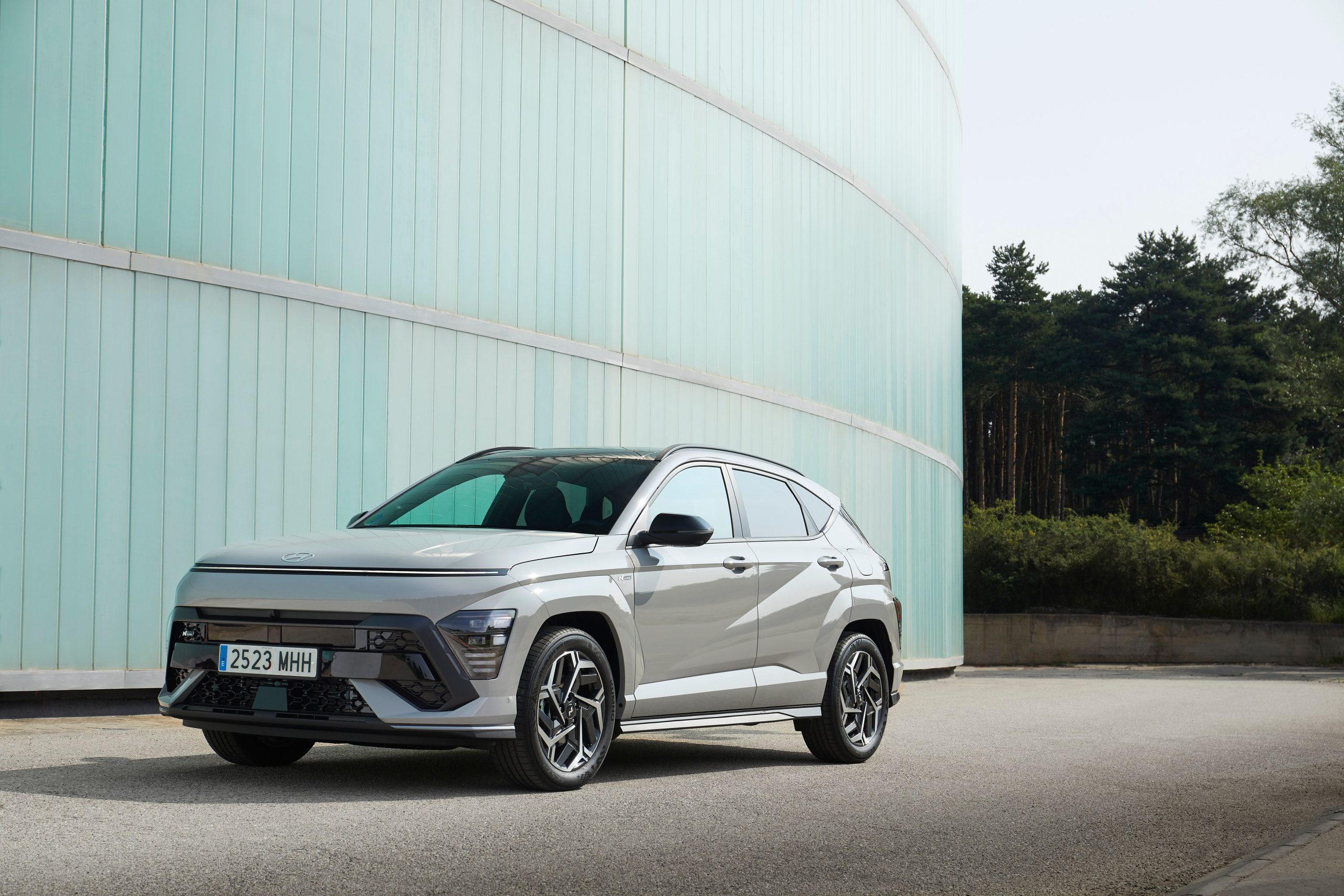
There is a question that comes up again and again at any dealership selling electric SUV-Bs: is it worth paying more for range, or is it better to stick with the basics and save a few thousand euros? The Hyundai Kona Electric and the Peugeot e-2008 represent the two possible answers. One bets on a large battery and plenty of power. The other on a more compact, affordable approach. Both compete in the same segment, that of fully electric urban SUVs, but they arrive there with different philosophies.
Hyundai Kona Electric, from approximately €42,400: reference range and power
The Kona Electric has become the benchmark of the segment for a simple reason: it offers figures that are still rare to find in an SUV-B. Its 65.4 kWh battery is rated at 514 km of WLTP range, a figure that in daily use translates into several days of urban driving without visiting a charger. The powertrain delivers 160 kW (218 CV) and 255 Nm of torque, enough for a 0-100 km/h sprint in 7.8 seconds and a top speed of 172 km/h. These are SUV-C numbers in an SUV-B body.
| Power (kW) | Power (CV) | Torque | 0-100 km/h | Top speed | Range | Consumption | Battery | Label | Starting price |
|---|---|---|---|---|---|---|---|---|---|
| 160 kW | 218 CV | 255 Nm | 7.8 s | 172 km/h | 514 km | 14.7 kWh/100 km | 65.4 kWh | €42,400 |
The message from Hyundai with the Kona is clear: it wants the urban electric car to stop feeling like a reduced version of the combustion car. And, with these numbers, it achieves it. What it does not achieve is being cheap: a €42,400 indicative RRP means you need to think it over carefully.
Peugeot e-2008, from approximately €39,900: the most accessible urban SUV
The e-2008 plays a different game. Its 54 kWh battery is rated at 406 km of range, more than a hundred kilometres less than the Kona, and its 115 kW (156 CV) motor reaches a top speed of 150 km/h. These figures are more modest, yes, but also more realistic for a buyer who uses the car mostly in town and on short motorway trips, where those 406 rated kilometres come quite close to real use.
| Power (kW) | Power (CV) | Top speed | Range | Battery | Label | Starting price |
|---|---|---|---|---|---|---|
| 115 kW | 156 CV | 150 km/h | 406 km | 54 kWh | €39,900 |
Peugeot is not competing on range or sportiness. It competes on accessibility: getting into the BEV world with a somewhat lower entry price, a sufficiently large boot and an interior design (that i-Cockpit instrument cluster that divides opinion) that remains recognisable within the French range.
Real efficiency: kWh/100 km and rated range
Urban consumption
The Kona Electric declares a rated consumption of 14.7 kWh/100 km, a competitive figure for an SUV with this battery. In town, with active regeneration and smooth traffic, it is reasonable to expect it to come fairly close to that official figure. The e-2008 rates 15.3 kWh/100 km on its datasheet, although its smaller battery and less powerful motor suggest efficient behaviour on short trips, where the extra weight of a large battery stops being an advantage.
Motorway and open-road consumption
This is where range is truly put to the test. With 514 rated km, the Kona has ample margin even if efficiency drops 20-25% on the motorway, which is common for any electric car. The e-2008, with 406 km as its starting point, arrives at the motorway with less cushion: a long journey may require planning the charging stop further in advance. It is not a problem if use is mostly urban, but it is worth considering before buying.
Power and performance: 218 CV versus 156 CV
The 62 CV difference between the two is not just a number on the spec sheet. It is noticed when joining a motorway, when overtaking or simply in the sense of mechanical reserve the Kona conveys compared with the e-2008. The Peugeot is not slow, but its approach is calmer, designed for trouble-free driving rather than for enjoying the instant torque typical of an electric car.
Price and price-performance ratio
The €2,500 difference in indicative RRP between the two models (€39,900 for the e-2008 versus €42,400 for the Kona) is explained largely by the 108 extra km of range and the 62 additional CV of the Korean model. If daily use does not require more than 300-350 real km, the e-2008 more than covers it and keeps money in your pocket. If you want a margin so you don’t have to think about charging every two days, the Kona justifies the extra cost.
It is worth remembering that these prices are the manufacturer’s recommended RRP, without dealer discounts or one-off campaigns, so check the current commercial offer before deciding.
Purchase incentives: Plan Auto+ and final cost
Both models may benefit from the Plan Auto+, the current public aid framework for buying electrified vehicles in Spain. Amounts and conditions vary by autonomous community and call for applications, so the most reliable option is to check the plan’s official website before calculating the final cost of either SUV.
Comparison summary table and score
| Model | Power | Range | Battery | Starting price | Score |
|---|---|---|---|---|---|
| Hyundai Kona Electric | 218 CV | 514 km | 65.4 kWh | €42,400 | 8.7/10 |
| Peugeot e-2008 | 156 CV | 406 km | 54 kWh | €39,900 | 7.8/10 |
Which one to choose? The Highmotor verdict
If range and a mechanical response that feels generous are the priority, the Kona Electric wins by a clear margin. It is, today, one of the SUV-B electrics with the best balance of range and performance on the Spanish market. If budget comes first and use is mainly urban, the e-2008 does the job well without asking for so much money. There is no universal answer: real use is what decides. Anyone who wants to go deeper into how these electric cars behave on fast charging and long journeys can also review the recent analysis on the balance between range, charging and price.
Frequently asked questions
Which urban electric SUV is more efficient in Spain in 2026?
Between these two, the Hyundai Kona Electric offers greater homologated range (514 km versus 406 km) and a declared consumption of 14.7 kWh/100 km versus the Peugeot’s 15.3 kWh/100 km, which makes it the more efficient choice.
How much does the Hyundai Kona Electric cost in Spain?
Its indicative RRP starts at around €42,400, not counting dealer discounts, commercial campaigns or incentives such as the Plan Auto+.
How much does the Peugeot e-2008 electric cost?
Its indicative price starts at approximately €39,900, also as a recommended RRP subject to one-off dealer offers.
What real range does each model offer on the open road?
The Kona Electric starts from 514 rated km, with sufficient margin even at the higher consumption typical of motorway driving. The e-2008, with 406 rated km, requires better planning of charging stops on long journeys.
Technical specifications of the cars in this article
 Kia offers an electric range of 10 models, 50 versions and 400 possible combinations
 The seven finalists for the 2027 European Car of the Year (COTY) are exclusively electric
 Peugeot E-208 GTi: a battery-powered toy that revives the spirit of the 1980s sports cars
Deja un comentario