Hyundai unveils a new development centre in Germany
 Javier Cantagalli
28 January 2025
2 min.
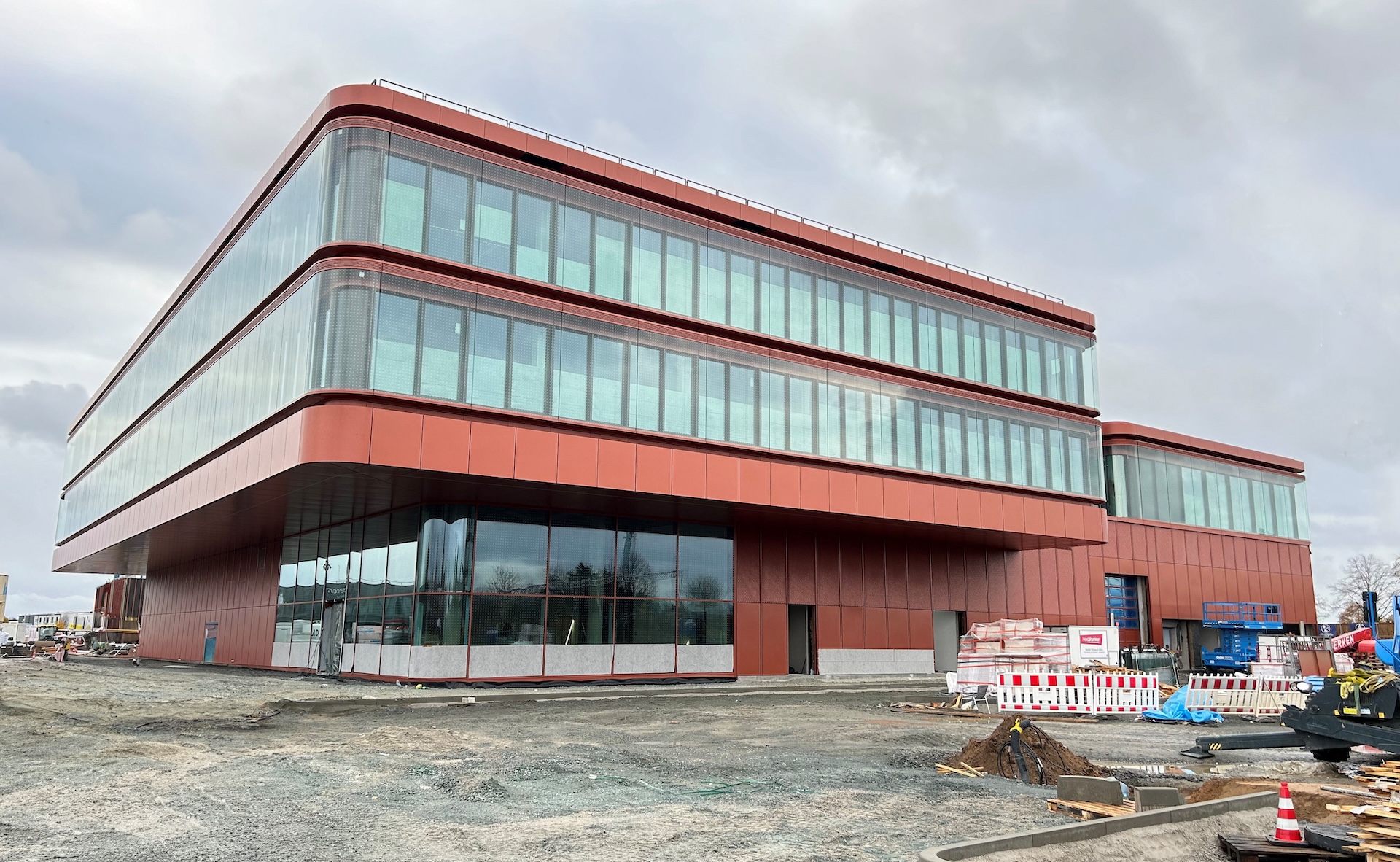
The significant investment that has made these facilities a reality is, according to the South Korean company, clear evidence of its commitment to promoting electric mobility in Europe.
The Hyundai Group has completed the construction of its new development centre in Germany. The Square Campus, located at the Hyundai European Technical Motor Centre (HMETC) in the city of Rüsselsheim, will allow the South Korean company to significantly expand its research and development capacity in the country.
This new complex, covering an area of 25 thousand square metres, will house the Group’s largest NVH (Noise, Vibration and Harshness) test bench to date, along with test benches for chassis and transmission systems. With these new facilities, Hyundai will focus on fundamentally improving its electric models, the advanced driver assistance systems (ADAS) for those models, infotainment systems and electrification technologies, as the company has announced.
If everything goes according to plan and once the construction phase is concluded, the official opening of these facilities is expected to take place next March, from which date work will begin on new developments for the vehicles of the Group’s various brands.
Mission accomplished
This project was announced in September 2022 and construction of the new facilities began at the end of 2023, with the initial goal of being completed in November 2024. This new complex uses eco-sustainable materials and features photovoltaic panels and heat pump systems to promote energy efficiency. It is also worth noting that its design focuses on offering a modern working environment for the engineers and employees dedicated to research and development at these facilities.
The construction of this development centre in Rüsselsheim has also been accompanied by the expansion by just over 800 square metres of the test centre that Hyundai already had at the Nürburgring. The South Korean company has held its own reserved space at the Nürburgring since 2011, which became a fully equipped test centre in 2013.
“Germany remains at the heart of automotive excellence. Our investment in this development centre reflects our confidence in the engineering and innovative strength of the Rhine-Main region. With the expansion of our facilities, we will have a new centre for creative collaboration, where our engineers, with the most advanced resources and technologies, will have free rein to push every boundary and shape a more dynamic and European-connected future.”


 Peugeot E-208 GTi: a battery-powered toy that revives the spirit of the 1980s sports cars
 New Lexus ES: luxury grows and goes electric
 First contact with the Dacia Sandero Hybrid 155: power and efficiency from €19,890
Deja un comentario