Lexus NX vs. Volvo XC60: the premium hybrid SUV pulse with more refined design
 Dani Montesinos
18 June 2026
6 min.
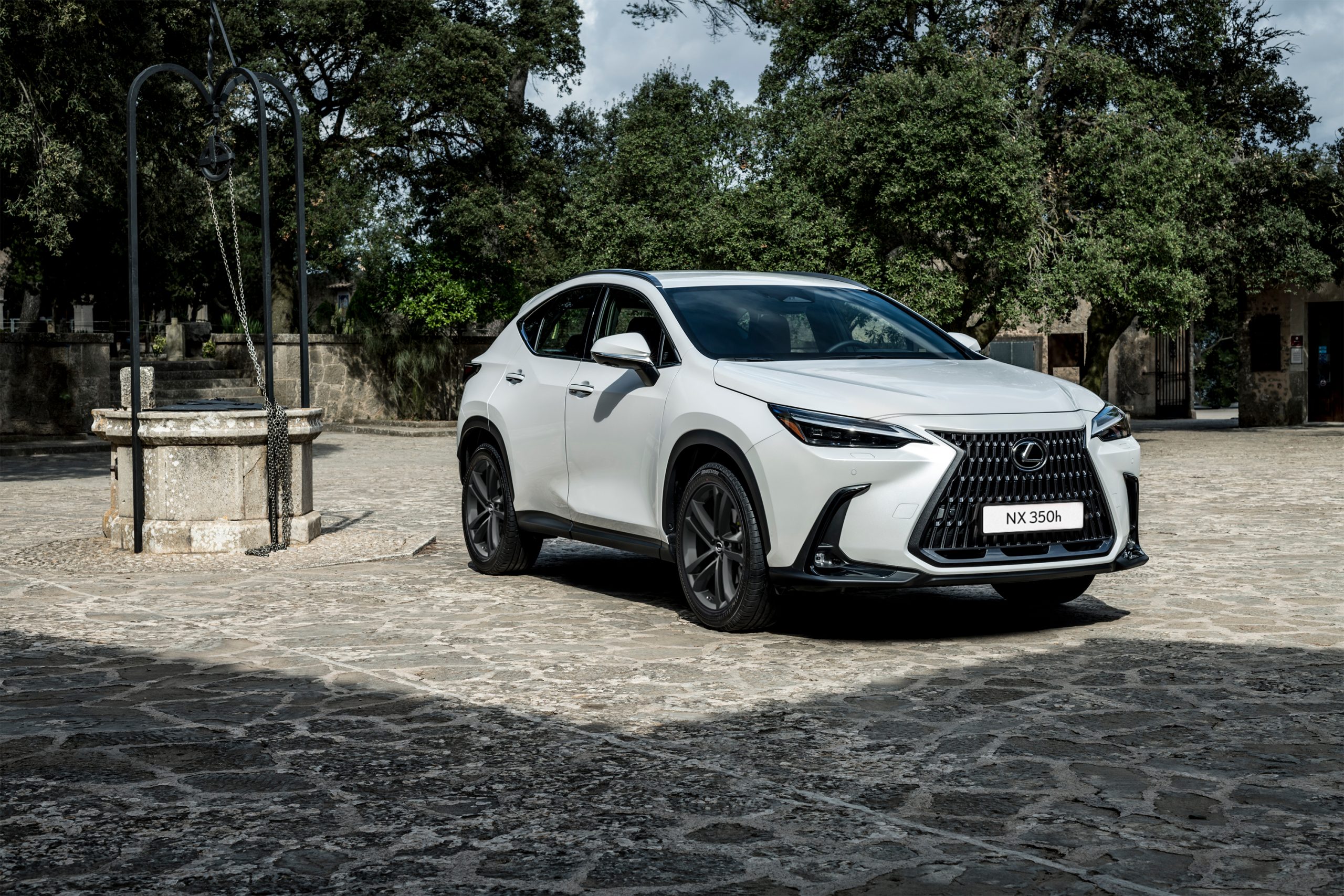
A comparison between the Lexus NX 350h and the Volvo XC60 B5 MHEV AWD, two benchmarks of the premium hybrid SUV in Spain, looking at consumption, performance, design and price.
The mid-size premium SUV segment is going through one of its most interesting moments. Two opposing philosophies coexist in Spanish dealerships under the same electrification label: the Lexus NX 350h, faithful to the self-charging hybrid system that the Japanese brand turned into doctrine, and the Volvo XC60 B5, which bets on mild hybridisation as a step towards full electrification. Both hover around 250 CV and 55,000 euros, but their approach to efficiency, comfort and luxury is radically different.
The duel of premium hybrid SUVs in Spain
The premium hybrid SUV comparison between these two models is not a simple head-to-head of figures. It is the contrast between Japanese silence, capable of running in electric mode for much of the urban journey, and Scandinavian solidity, which prioritises the character of the combustion engine assisted by a small 48 V motor-generator. The DGT ECO label covers both, but their real-world behaviour in consumption and emissions is very different.
Lexus NX 350h: the maturity of the self-charging hybrid — from 55,350 €
The Lexus NX 350h represents the fourth generation of Toyota’s hybrid know-how applied to luxury. Its 2.5-litre naturally aspirated engine combined with two electric motors delivers around 242 CV of total power, enough to move its more than 1,800 kilos with ease without losing that smoothness the brand is known for. The great advantage of the NX 350h is that it can run as a pure electric car in the city over short stretches, which translates into an official combined consumption of around 5.7 l/100 km and emissions of around 130 g/km of CO₂.
Inside, the generational leap is notable: a 14-inch central screen, digital instrumentation, upholstered materials with millimetre-precise fit and that sense of acoustic calm that only Lexus achieves. It is possibly the best hybrid SUV 2024 if the priority is running costs and long-term reliability.
| Power kW | Power CV | Top speed | Range | Consumption | Label | Fuel |
|---|---|---|---|---|---|---|
| 178 kW | 242 CV | 190 km/h | data not available | 5.7 l/100 km | ECO | Hybrid (petrol/electric) |
Volvo XC60 B5 MHEV AWD: the calm strength of the north — from 56,850 €
The Volvo XC60 B5 is, in essence, a SUV with a 2.0-litre turbocharged petrol engine assisted by a 48-volt mild hybrid system. The overall figure is around 250 CV with standard full-time AWD, which gives it dynamic poise and towing capacity superior to the Lexus’s. There is no pure electric driving here: the 48 V system recovers energy during braking and deceleration to assist the combustion engine on starts and acceleration, smoothing stops and pull-aways.
The XC60 keeps the sober aesthetic that has made it an icon of Nordic design, with a cabin dominated by the vertical screen with integrated Google, seats of outstanding comfort on long journeys and materials with a premium feel. In return, real-world consumption rises sharply: the official figure is around 7.5 l/100 km and emissions approach 170 g/km of CO₂, far from the Japanese model’s level.
| Power kW | Power CV | Top speed | Range | Consumption | Label | Fuel |
|---|---|---|---|---|---|---|
| 180 kW | 250 CV | 180 km/h | data not available | 7.5 l/100 km | ECO | Mild hybrid (petrol/electric 48 V) |
Full hybrid vs mild hybrid: the difference that changes the result
Here is the key that many buyers overlook. The NX 350h is a full hybrid: it can move the car on pure electricity, without the petrol engine starting. The XC60 B5 is a mild hybrid: the electric motor never propels the car on its own, it only assists. This technical distinction explains the more than 2 litres difference per 100 km and the 40 g/km of additional CO₂ of the Swedish model.
Design, cabin and technology: two schools
The NX opts for an angular aesthetic, with a reinvented spindle grille and a rear with continuous lights. The XC60 keeps the “Thor’s Hammer” language in its headlights and a minimalist elegance that ages extraordinarily well. Inside, the Lexus wins in multimedia integration and touch response; the Volvo leads in seat comfort and the native Android Automotive operating system.
Dynamics and performance
The XC60 B5 AWD offers permanent all-wheel drive that makes it more versatile in adverse conditions and with a slightly firmer suspension setup. The NX 350h prioritises smooth ride and immediate response in the city thanks to its CVT gearbox and electric assistance from standstill.
Summary table and rating
| Model | Power | Consumption | CO₂ | Price from | Efficiency (1-10) | Performance (1-10) | Premium comfort (1-10) | Overall value |
|---|---|---|---|---|---|---|---|---|
| Lexus NX 350h | 242 CV | 5.7 l/100 | 128 g/km | 55,350 € | 9 | 7 | 9 | 8.5 |
| Volvo XC60 B5 AWD | 250 CV | 7.5 l/100 | 169 g/km | 56,850 € | 6 | 8 | 9 | 7.7 |
It is worth remembering that all prices cited are the manufacturer’s recommended RRP, excluding dealer discounts, commercial campaigns and official purchase aid.
Verdict: which one to choose?
If the goal is to minimise running costs, drive a lot in the city and enjoy absolute refinement, the Lexus NX 350h is the rational choice. If you are looking for a SUV with a more dynamic character, standard all-wheel drive and a design that continues to set trends, the Volvo XC60 B5 remains an unbeatable benchmark in the premium hybrid SUV Spain landscape.
Frequently asked questions
Is the Volvo XC60 B5 a plug-in hybrid?
No. The B5 is a 48 V mild hybrid (MHEV) that assists the combustion engine, but it cannot run in pure electric mode nor be plugged in. Volvo offers plug-in T6/T8 versions as an alternative.
Which one consumes less in real use, the Lexus NX 350h or the Volvo XC60 B5?
The Lexus NX 350h clearly consumes less: around 5.7 l/100 km officially versus the Volvo’s 7.5 l/100 km, especially in the city, thanks to its ability to run in pure electric mode.
Do both have the DGT ECO label?
Yes. Both the Lexus NX 350h and the Volvo XC60 B5 MHEV obtain the ECO label, which allows access to low-emission zones and enjoyment of tax advantages in many Spanish cities.
Which has better resale value?
Historically, Lexus maintains very solid residual values thanks to its proven reliability, although Volvo also holds its price well in the premium segment. The NX 350h tends to depreciate somewhat less in the first three years.


 Peugeot E-208 GTi: a battery-powered toy that revives the spirit of the 1980s sports cars
 New Lexus ES: luxury grows and goes electric
 First contact with the Dacia Sandero Hybrid 155: power and efficiency from €19,890
Deja un comentario