New Nissan battery: cheaper, longer range and faster charging
 Mónica Redondo @MonicaRedondoD
7 March 2022
3 min.
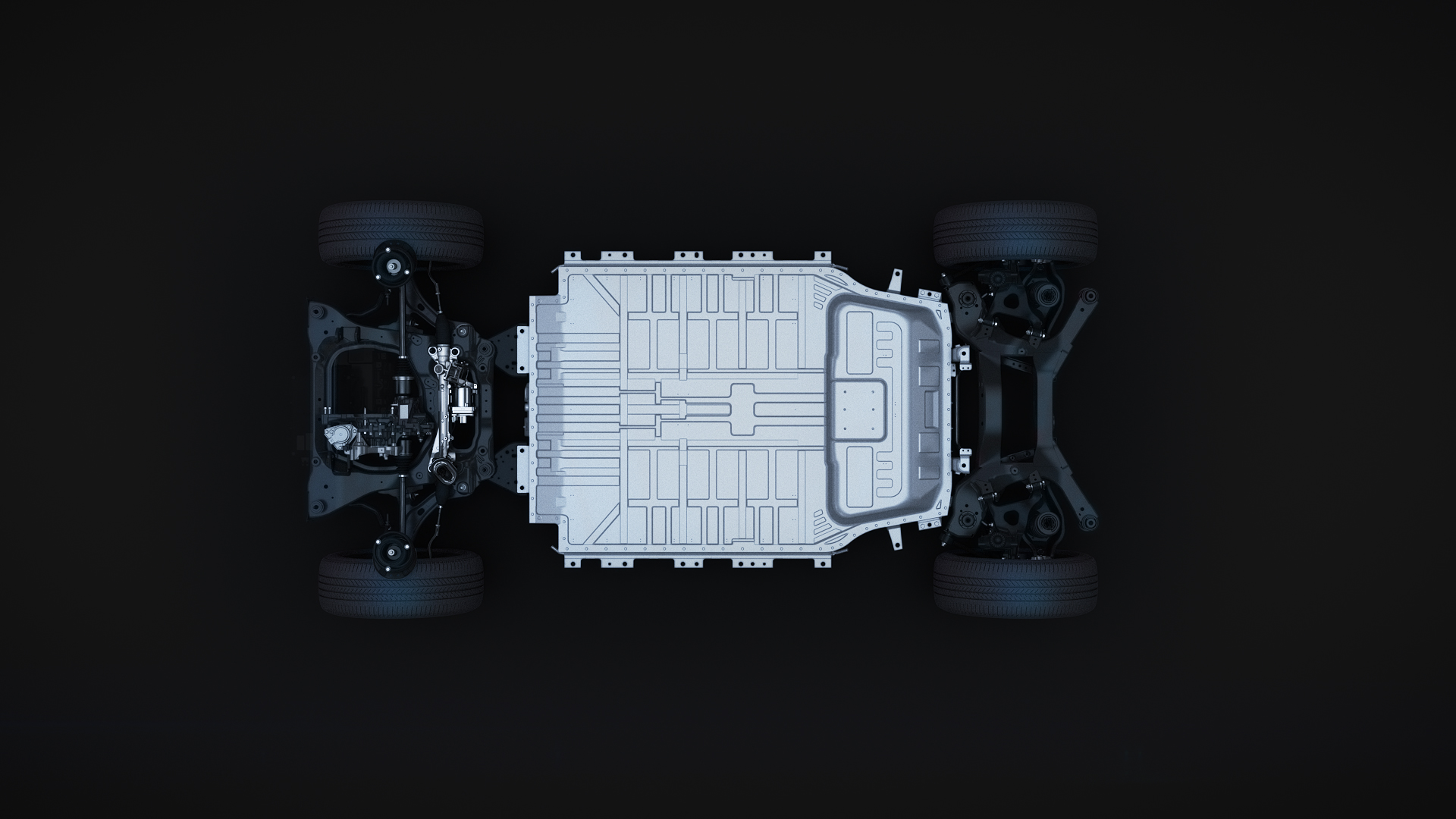
The new solid-state battery from Nissan could lower the cost of these systems while also increasing range and reducing charging times.
Buying an electric car is, sometimes, if not most of the time, something that needs careful thought, and there are drivers who still aren’t convinced about range and charging times, among other concerns. With the aim of making sure users have no hesitation in committing to a fully electric car, the brands of the Alliance, Renault, Nissan and Mitsubishi, have developed a solid-state battery that could solve all of these problems. The new Nissan battery is solid-state and will be mass-produced in 2028.
At that point, it will start being fitted to new models from Nissan, Renault and Mitsubishi. To give you an idea, the new solid-state battery from Nissan will be much cheaper, will have twice the energy density, which translates into greater range, and its charging speed will also be much faster. With this technology, the brands that make up the Alliance “not only hope to be competitive in an industry facing the great transition to electric cars, but also to turn their brands into benchmarks for electric cars”.
This is the new solid-state battery from Nissan, Renault and Mitsubishi
The news doesn’t stop there: Nissan plans to launch the successor to the fully electric Nissan Micra, a model that will share its platform with the highly anticipated Renault 5. Mitsubishi, for its part, will launch the new generation of the Mitsubishi ASX, a model that will share its platform with the new compact SUV from Renault that we will see in just a few hours. In addition, the ASX will be produced in Valladolid alongside the new SUV from the diamond brand and the Renault Captur.
Returning to the new solid-state battery from Nissan, it is important to note that the brand has been working on its development for several years. So much so that Nissan has designed its chemistry “from anode to cathode”. Everything suggests that the first prototype of this novel battery will arrive sometime during 2024. That said, for mass production and for it to begin being fitted to new Alliance models, we will have to wait until 2028.
For now, Nissan has not confirmed many details. What we do know is that the cost will be half that of current lithium-ion batteries. As for energy density, we know it will be double that of current batteries, so they will be able to offer greater range. Charging times will be reduced to as little as a third of what we know today. With this technology, the brand expects electric cars to reach price parity with combustion cars. In addition, Nissan and Renault aim to reduce battery costs to 58 euros/kWh. Today the price is 116 euros/kWh.


 Peugeot E-208 GTi: a battery-powered toy that revives the spirit of the 1980s sports cars
 New Lexus ES: luxury grows and goes electric
 First contact with the Dacia Sandero Hybrid 155: power and efficiency from €19,890
Deja un comentario