PHEV 2026: Top 5 by Attractive Price and Performance
 Adrián Valcázar
17 February 2026
9 min.
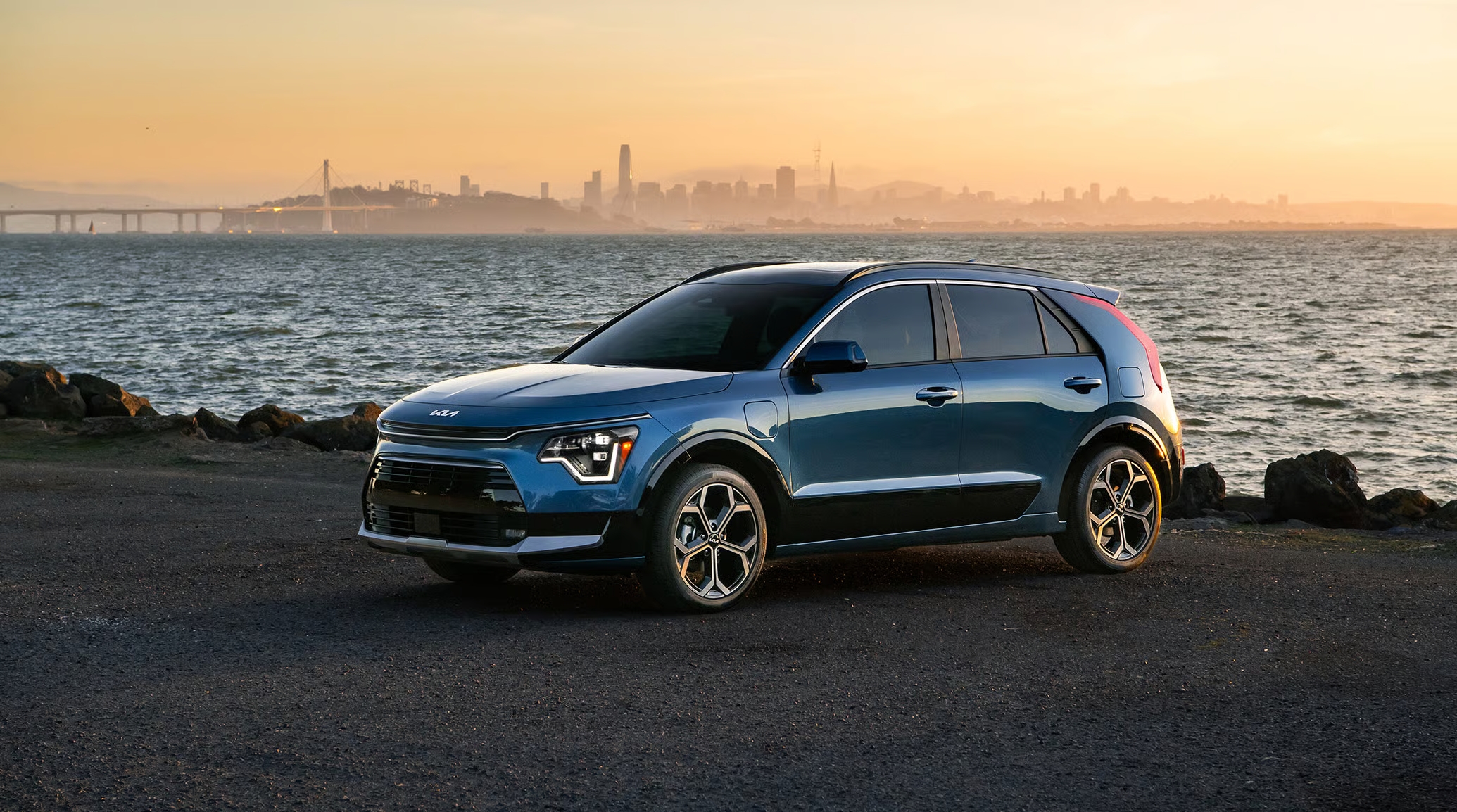
The plug-in hybrid market in 2026 combines electric efficiency with the versatility of the combustion engine, and it is consolidating as a practical option for drivers looking to reduce energy costs without giving up range. In this context, models designed for different uses appear: urban, family, and long-distance travelers, with technical proposals and prices aimed at a public that is conscious of consumption and running costs. Here we present five PHEVs that balance price and performance, describing why they fit today’s market, who they suit best, and what real limitations they have.
Who is this ranking for?
This ranking is based on market data, official specifications, and published road tests. It is aimed at buyers who value efficiency and want to reduce consumption without relying exclusively on charging infrastructure, as well as those seeking alternatives with lower operating costs in the medium term.
If you drive many kilometers every day and can charge frequently, you will find models with a good range/consumption balance. If you prioritize spending less each day, you will see options with lower cost per kilometer. If you want a PHEV so you don’t always depend on the plug, here are alternatives with greater combined range and performance useful for long journeys.
What details have we analyzed?
We have considered market positioning, official technical data such as WLTP electric range and combined power, homologated consumption, dimensions and expected real-world use, as well as the price/technical proposition relationship to assess what each model offers compared to its entry price.
PHEV Ranking 2026 by Attractive Price and Performance
Hyundai Tucson PHEV (from €38,900*)
Indicative price without applying public subsidies or the brand’s commercial discounts.
Why it’s here: The Tucson PHEV combines a battery with sufficient electric range for daily commuting and a capable powertrain for long trips. Its approach positions electrification as a real complement to family use, with good boot capacity and safety equipment.
Ideal for: Families who want to reduce consumption in the city but need capacity and versatility on the road.
Pros:
- Practical electric range for everyday use.
- Competitive standard safety equipment.
- Good interior space and boot for its category.
Cons:
- Additional weight from the battery slightly reduces agility.
- Entry price higher than compacts in the segment.
Kia Niro PHEV (from €33,400*)
Indicative price without applying public subsidies or the brand’s commercial discounts.
Why it’s here: The Niro PHEV stands out for its efficiency and contained running costs; it is a compact alternative with a battery and consumption figures geared toward mixed use. Its approach prioritizes operating economy and ease of urban use.
Ideal for: Urban or peri-urban drivers looking for low consumption and running costs without giving up functionality.
Pros:
- Contained real consumption in mixed cycle.
- Compact size with good urban maneuverability.
- Competitive entry price among PHEVs.
Cons:
- More limited electric range than larger SUVs.
- Lower towing capacity compared to mid-size SUVs.
Mitsubishi Outlander PHEV (from €45,900*)
Indicative price without applying public subsidies or the brand’s commercial discounts.
Why it’s here: The Outlander PHEV offers a higher-capacity battery and capacity for family loads or trips with additional cargo, as well as all-wheel drive options in specific versions, making it versatile for mixed and all-weather use.
Ideal for: Users who need space, light towing capacity and occasional traction in adverse conditions.
Pros:
- Higher electric range in its urban cycle.
- Traction options that expand its practical use.
- Good cargo and towing capacity relative to the segment.
Cons:
- Price higher than compact PHEVs.
- Larger dimensions that penalize it in the city.
Ford Kuga PHEV (from €39,800*)
Indicative price without applying public subsidies or the brand’s commercial discounts.
Why it’s here: The Kuga PHEV offers a good balance between dynamics and efficiency, with a setup designed for both families and users who alternate between city and highway. Its road behavior and the availability of versions make it attractive to those seeking versatility.
Ideal for: Drivers who make mixed journeys and value dynamic behavior and comfort on the road.
Pros:
- Balance between comfort and dynamics.
- Good offering of driver-assistance equipment.
- Configurable for different family needs.
Cons:
- Moderate electric range compared to some large SUVs.
- Entry cost above some compact competitors.
Volvo XC60 Recharge (from €60,900*)
Indicative price without applying public subsidies or the brand’s commercial discounts.
Why it’s here: The XC60 Recharge delivers superior performance and a premium approach with hybrid systems geared toward power and comfort. It is an option for those seeking a more refined driving experience and higher-quality materials.
Ideal for: Buyers who prioritize comfort, safety and power in a premium-segment PHEV.
Pros:
- High-end performance and interior finish.
- Latest-generation driver-assistance systems.
- Combination of power and comfort on long trips.
Cons:
- Price noticeably higher than mainstream alternatives.
- Higher maintenance and replacement costs due to premium positioning.
The prices shown in this ranking are indicative, without applying public subsidies or the brand’s commercial discounts.
Technical comparison
| Model | Range | Power | Consumption | Top speed | Price (€*) |
|---|---|---|---|---|---|
| Hyundai Tucson PHEV | 65 km WLTP | 265 CV | 1.3 l/100 km | 190 km/h | €38,900* |
| Kia Niro PHEV | 60 km WLTP | 141 CV | 1.3 l/100 km | 172 km/h | €33,400* |
| Mitsubishi Outlander PHEV | 87 km WLTP | 230 CV | 1.4 l/100 km | 200 km/h | €45,900* |
| Ford Kuga PHEV | 56 km WLTP | 225 CV | 1.4 l/100 km | 200 km/h | €39,800* |
| Volvo XC60 Recharge | 51 km WLTP | 350 CV | 2.1 l/100 km | 230 km/h | €60,900* |
These data are official and taken from the brands’ official websites.
Purchase subsidies in 2026: Plan Auto+ and tax benefits
The 2026 Plan Auto+ replaces the previous MOVES programs and establishes a new system of direct aid for purchasing electrified vehicles in Spain. These subsidies aim to accelerate the adoption of BEVs and PHEVs, favoring mainly pure electric vehicles.
Main amounts of the 2026 Plan Auto+
– Direct subsidies of up to €4,500 for electric passenger cars.
– Up to €5,000 for light vans in category N1.
– Retroactive effect from January 1, 2026.
– Approximate budget allocation of 400 million euros.
Who can benefit and priority criteria
Beneficiaries include private individuals, self-employed workers and companies. The EEE criterion (Electric, Economic and European) applies, with greater incentives for pure electric vehicles compared to plug-in hybrids. Vehicles priced below €35,000 receive higher aid; those priced between €35,000 and €45,000 access reduced aid. Maximum incentive is prioritized if the final assembly or the batteries are of European Union origin.
Additional requirements and tax advantages
A mandatory minimum discount of €1,000 from the dealer applies. In addition, there is a 15% deduction on personal income tax (IRPF) up to a maximum of €3,000, valid for tax purposes until December 31, 2026.
Management and possible regional aid
Management is coordinated by the Ministry of Industry together with the Autonomous Communities. Additional regional programs may exist, for example the Plan Cambia 360 in the Community of Madrid. At the time of writing, it is not officially confirmed whether these regional subsidies are compatible with the 2026 Plan Auto+.
FAQ · The 5 questions everyone asks
What real advantage does a PHEV have over a conventional hybrid?
A PHEV allows urban distances to be covered in fully electric mode, reducing consumption and local emissions, while keeping a combustion engine for long trips. Its advantage is the flexibility between charging and combustion range.
How often should I charge a PHEV to get the most out of it?
To maximize savings, it is advisable to charge it at least once a day if it is used for urban trips. Charging every night allows daily journeys to be covered with electricity and reduces use of the combustion engine.
Are the maintenance costs of a PHEV higher than those of a combustion car?
Maintenance can be similar or slightly higher due to additional complexity, but the reduced use of the combustion engine and lower energy costs usually offset this in the medium term. The key aspect is the manufacturer’s service policy.
Is a PHEV worth it if I can’t charge at home?
If frequent charging is not possible, the electric benefit is reduced and the PHEV may end up being a hybrid with additional cost due to weight and complexity. In that case, it is worth considering non-plug-in hybrids or efficient engines.
Does the entry price affect eligibility for aid such as Plan Auto+?
Yes. Many subsidies have brackets based on vehicle price: vehicles below certain thresholds receive more funding. It is important to check the final price and configuration before applying for the aid.
Expert Conclusion
This set of PHEVs for 2026 shows that there are solutions for different profiles: from efficient compacts to family SUVs and premium options. What this ranking means for the buyer is that they can choose between prioritizing entry price, electric range, or capacity and finish; none of these criteria is exclusive, but all are decisive for total cost of ownership.
If you want to get the most for your money, first look at the real entry price and what comes as standard. If the model has high demand, it is usually also easier to resell later. And if you drive many kilometers, energy cost and efficiency matter more than the power figure. If you won’t charge often, don’t buy from the catalog: buy for your routine. To decide, prioritize value for money and market traction: a well-selling model usually indicates practical acceptance and a solid service network; and for daily spending, electric efficiency and real WLTP range affect your wallet more than maximum power.


 Peugeot E-208 GTi: a battery-powered toy that revives the spirit of the 1980s sports cars
 New Lexus ES: luxury grows and goes electric
 First contact with the Dacia Sandero Hybrid 155: power and efficiency from €19,890
Deja un comentario