Ranking 2026: the 6 premium electric SUVs with the best real-world range above 500 km
 Eduardo Molina
6 August 2026
6 min.
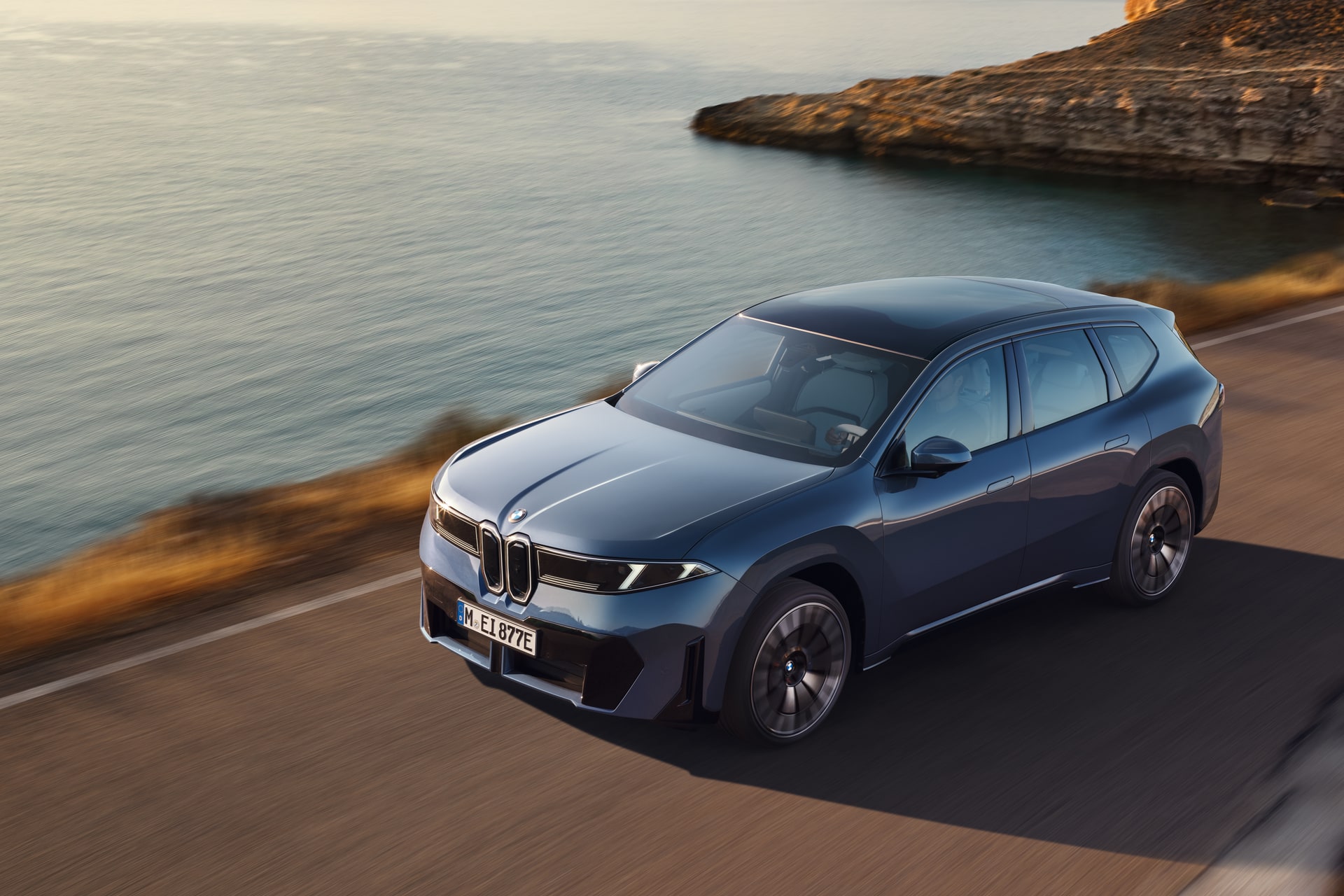
We analyse the six premium electric SUVs on sale in Spain that genuinely exceed 500 km per charge in mixed use, with consumption data, usable battery capacity and charging power.
Covering more than 500 real kilometres per charge with a premium electric SUV is no longer an exaggeration from inflated spec sheets. In 2026, half a dozen models on sale in Spain actually manage it, with the thermometer outside the laboratory and at Spanish motorway speeds — the kind that creep up to 120 the moment you look away. The rest, the ones that promised 600 km WLTP and delivered 380 in reality, have been exposed.
This ranking is built on real-world range measured in mixed conditions (motorway, secondary roads and some urban driving), not on homologated figures. We have cross-referenced verified average consumption, usable battery capacity and behaviour at sustained 130 km/h. A key fact: for every 10 km/h more, a heavy electric SUV loses between 8 and 12% of its range. None of them forgive.
What “500 km of real-world range” actually means
WLTP measures on a mixed cycle that penalises motorway driving very little. Spanish reality is different: the A-1, A-4 or AP-7 at 120-130 km/h, air conditioning in July and some charging. A premium SUV homologated at 620 km WLTP usually ends up between 440 and 490 km in practice. To enter this ranking we require 500 real km or more in real mixed use, not in the laboratory bubble.
Methodology: average consumption, usable battery and cruising speed
Three variables decide. The usable battery capacity (not the gross figure the manufacturer publishes), the average consumption at 120 km/h with climate control on, and the pack’s performance at low temperatures. A generous buffer — 5-6 kWh held back by the manufacturer — protects the battery’s lifespan but trims the headline figure. Consumption below 20 kWh/100 km in a large SUV is already the frontier of excellence.
Mercedes-Benz EQE SUV — from 92,500 €
In our view the EQE SUV is the most balanced on the list. Its 90.6 kWh usable battery and a real consumption of around 19.5 kWh/100 in mixed driving let it comfortably exceed 520 real km in the rear-wheel-drive 350+ version. The 4Matic version costs a little more range, but still stays above the threshold. Air suspension is standard on many trims, and the acoustic insulation is noticeable — it drives like a rolling lounge.
| Power kW | Power CV | Top speed | Real-world range | Consumption | Label | Fuel |
|---|---|---|---|---|---|---|
| 215 kW | 292 CV | 210 km/h | 525 km | 19.5 kWh/100 | ZERO | Electric |
BMW iX xDrive50 — from 104,900 €
The iX remains a breed apart. Its styling is debatable, yes, but its aerodynamics are worked to the millimetre and its usable battery exceeds 105 kWh. Average consumption of 21 kWh/100 in mixed driving delivers 540 real km with margin. Charging at 195 kW is not a record, although its curve stays solid above 60% SoC, something few rivals can say. For long journeys, one of the benchmarks.
| Power kW | Power CV | Top speed | Real-world range | Consumption | Label | Fuel |
|---|---|---|---|---|---|---|
| 385 kW | 523 CV | 200 km/h | 540 km | 21 kWh/100 | ZERO | Electric |
Audi Q6 e-tron performance — from 87,000 €
The PPE platform of the group Volkswagen gives one of its best versions here. 800V architecture, peak charging at 270 kW and a surprisingly restrained average consumption on the motorway — we have seen 18.9 kWh/100 on long trips without wind. The performance version with rear-wheel drive and 100 kWh usable exceeds 530 real km. It charges quickly: 10-80% in 21 minutes if the HPC cooperates.
| Power kW | Power CV | Top speed | Real-world range | Consumption | Label | Fuel |
|---|---|---|---|---|---|---|
| 225 kW | 306 CV | 210 km/h | 535 km | 18.9 kWh/100 | ZERO | Electric |
Porsche Macan Electric 4S — from 91,500 €
It shares the PPE platform with the Q6 but tunes the chassis to the usual Porsche standard. The Macan Electric 4S delivers 510-515 real km thanks to the same 100 kWh usable and a similar consumption. It weighs its share, nearly 2.4 tonnes, but disguises it well. The question, to my taste, is whether the premium over the Audi is justified by 300 kg of agility gained. On long motorway stretches, the difference fades.
| Power kW | Power CV | Top speed | Real-world range | Consumption | Label | Fuel |
|---|---|---|---|---|---|---|
| 380 kW | 516 CV | 240 km/h | 515 km | 19.8 kWh/100 | ZERO | Electric |
Volvo EX90 Twin Motor — from 103,500 €
The EX90 plays a different card: seven real seats and 107 usable kWh. It weighs 2,780 kg and that has a cost, but a mixed consumption of 21.5 kWh/100 leaves it at a well-measured 505 real km. We have seen it perform better than expected on sustained motorway driving thanks to a low drag coefficient for its size. As we already noted in the EX60 analysis, Volvo has learned to stretch its kWh without giving up cabin space.
| Power kW | Power CV | Top speed | Real-world range | Consumption | Label | Fuel |
|---|---|---|---|---|---|---|
| 300 kW | 408 CV | 180 km/h | 505 km | 21.5 kWh/100 | ZERO | Electric |
Tesla Model X Long Range — from 99,990 €
The veteran of the list still gives a run for its money. Efficiency remains its banner: 18.5 kWh/100 real on the motorway is a figure very few large SUVs touch. With 95 usable kWh it reaches 512 real km without fuss. The Supercharger network tips the balance for those who do a lot of kilometres. That said, its interior feels a step behind the rest in perceived materials.
| Power kW | Power CV | Top speed | Real-world range | Consumption | Label | Fuel |
|---|---|---|---|---|---|---|
| 500 kW | 680 CV | 250 km/h | 512 km | 18.5 kWh/100 | ZERO | Electric |
Summary table and rating
Weighted score based on real-world range, efficiency, charging power and dynamic balance.
| Model | Real-world range | Consumption | Peak charging | Price from | Score |
|---|---|---|---|---|---|
| Mercedes EQE SUV 350+ | 525 km | 19.5 kWh/100 | 170 kW | 92,500 € | 8.8 |
| BMW iX xDrive50 | 540 km | 21 kWh/100 | 195 kW | 104,900 € | 8.9 |
| Audi Q6 e-tron performance | 535 km | 18.9 kWh/100 | 270 kW | 87,000 € | 9.2 |
| Porsche Macan Electric 4S | 515 km | 19.8 kWh/100 | 270 kW | 91,500 € | 8.6 |
| Volvo EX90 Twin Motor | 505 km | 21.5 kWh/100 | 250 kW | 103,500 € | 8.3 |
| Tesla Model X LR | 512 km | 18.5 kWh/100 | 250 kW | 99,990 € | 8.5 |
The Audi takes the top score thanks to its combination of efficiency, 800V architecture and entry price. The BMW leads on gross range. The Mercedes is the most refined. Each has its day.
Frequently asked questions
Which premium electric SUV has the most real-world range in Spain in 2026?
The BMW iX xDrive50 leads with around 540 measured real km in mixed use, followed very closely by the Audi Q6 e-tron performance with 535 km and superior efficiency.
Why is real-world range lower than the WLTP figure?
Because the WLTP cycle includes urban stretches and low speeds that overrepresent efficiency. On the motorway at 120-130 km/h, a large SUV consumes between 25 and 35% more than on the homologated cycle.
Is it worth paying for a premium electric SUV over a mainstream one with the same range?
It depends on use. If you drive more than 25,000 km a year with long trips, the efficiency, charging curve and thermal reliability of a premium pack make a real difference in charging times and acoustic comfort.
How long does it take to charge one of these models from 10 to 80%?
Those with 800V architecture (Audi Q6 e-tron, Porsche Macan Electric) take around 21-22 minutes at a 350 kW HPC. 400V models range between 28 and 34 minutes depending on the curve and battery temperature.
 Peugeot E-208 GTi: a battery-powered toy that revives the spirit of the 1980s sports cars
 New Lexus ES: luxury grows and goes electric
 First contact with the Dacia Sandero Hybrid 155: power and efficiency from €19,890
Deja un comentario