2026 Ranking: The 6 Family SUVs with the Largest Boot Capacity on the Spanish Market
 Eduardo Molina
6 August 2026
6 min.
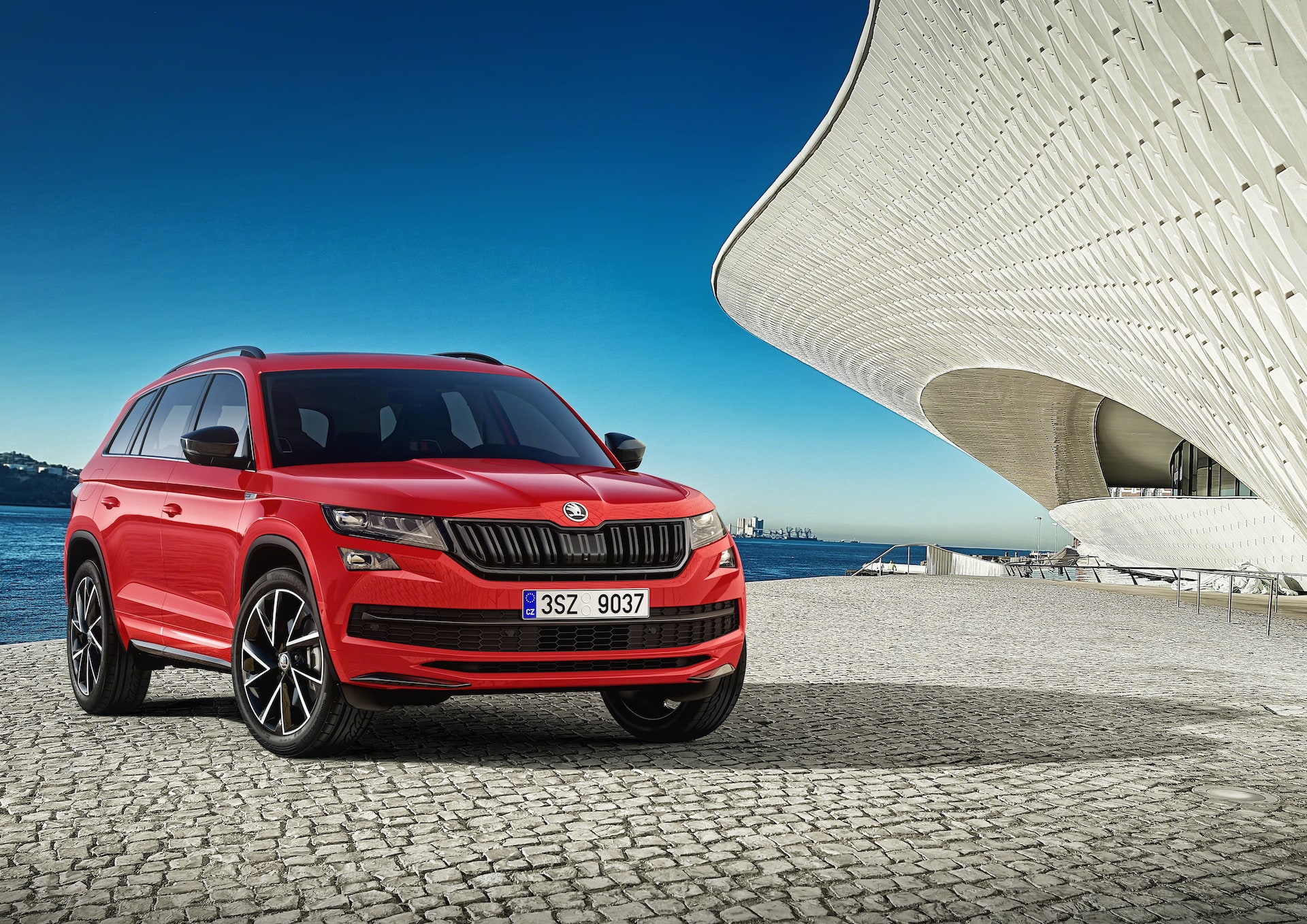
We compare the six family SUVs with the largest boot on sale in Spain in 2026, with concrete data on litres, seats and powertrains. A ranking designed for those who really need to carry a lot without giving up family travel.
Some families buy a large SUV because it’s the thing to do, and others buy one because they truly need it. Five hard suitcases, a pushchair, the weekend cooler, two folding bikes and, if the schedule is tight, the dog. That profile isn’t solved with brochures: it’s solved with real litres and a third row that does more than get you through the MOT.
In 2026 the segment is still dominated by seven-seat combustion and hybrid models, but the arrival of the Volvo EX90 has brought fully electric options into the conversation. We have reviewed the six models with the most cargo volume on sale in Spain, using official data and a final score that weighs space, powertrain, environmental label and price.
What defines a family SUV with an XXL boot today
A serious family SUV isn’t judged on total litres alone. What counts is the volume with the third row folded (what most people use 90% of the year), the usable height, the width between the wheel arches and whether the floor stays flat when you fold the seats down. The maximum authorised payload also matters, a figure that is often overlooked and which in a PHEV can cut the payload by up to 100 kg compared with the petrol version.
How we put together the ranking
We prioritised models sold in Spain in 2026, with homologated WLTP data and real dealership availability. We excluded versions sold only outside Europe. The score weighs four variables: boot volume (high weight), versatility of the third row, efficiency and value for money relative to equipment.
1. Skoda Kodiaq — from €42,900
The second-generation Kodiaq is, in our view, the gold standard of the segment in terms of space efficiency. With the third row folded it offers 910 litres — a figure that embarrasses many rivals — and reaches 2,105 litres with the second row folded down. Seven seats as standard in the long version, a practically flat floor and a generous loading opening that is appreciated during any impromptu move.
In plug-in hybrid form, the 1.5 TSI iV delivers around 100 km of electric range (WLTP). It isn’t the be-all and end-all, but it covers the daily commute on electricity alone in most cases.
| Power kW | Power hp | Top speed | Range | Consumption | Label | Fuel |
|---|---|---|---|---|---|---|
| 150 kW | 204 CV | 215 km/h | 100 km electric / 900 km total | 0.8 l/100 km WLTP | 0 | PHEV |
2. Kia Sorento — from €47,500
The Sorento plays in another league when it comes to the third row: it is one of the few seven-seaters where an adult of 1.80 m can manage an average journey without complaint. With all seven seats in use it offers around 187 litres; with them folded, it rises to 809 litres, and reaches 2,100 litres with the second row folded down. The self-charging hybrid version is, in practice, the best balanced in the range.
| Power kW | Power hp | Top speed | Range | Consumption | Label | Fuel |
|---|---|---|---|---|---|---|
| 169 kW | 230 CV | 193 km/h | ~950 km | 6.1 l/100 km WLTP | ECO | Hybrid |
3. Hyundai Santa Fe — from €48,900
The new Santa Fe has opted for a boxy, almost classic off-road look, and the design pays off in the boot: 725 litres in five-seat configuration and up to 1,949 litres with everything folded. The tailgate is huge — among the widest in the segment — and the clear height lets you load IKEA boxes without turning them. That said, the plug-in hybrid loses some space under the floor because of the battery.
| Power kW | Power hp | Top speed | Range | Consumption | Label | Fuel |
|---|---|---|---|---|---|---|
| 172 kW | 234 CV | 187 km/h | ~900 km | 6.3 l/100 km WLTP | ECO | Hybrid |
4. Peugeot 5008 — from €41,200
The third-generation 5008 keeps its long-standing appeal: seven genuine seats on the STLA Medium platform, with 916 litres in five-seat configuration and up to 2,232 litres with the second row folded. On paper, the most generous in the ranking. However, the third row remains more symbolic than functional for adults — a trade-off of the compact format. Available as a mild hybrid and as a 100% electric version.
| Power kW | Power hp | Top speed | Range | Consumption | Label | Fuel |
|---|---|---|---|---|---|---|
| 73 kW | 136 CV | 200 km/h | ~900 km | 5.7 l/100 km WLTP | ECO | Hybrid |
5. Volkswagen Tayron — from €46,800
The Tayron replaces the Tiguan Allspace and stretches the bodywork to 4.79 m to offer optional seven seats. With the third row folded, 850 litres; with the second row folded down, 1,905 litres. In the eHybrid plug-in version, the battery reduces this to 705 litres, a figure worth bearing in mind before signing. Trims one step above the Kodiaq — they share a platform — and soundproofing that is appreciated on motorways.
| Power kW | Power hp | Top speed | Range | Consumption | Label | Fuel |
|---|---|---|---|---|---|---|
| 150 kW | 204 CV | 210 km/h | ~100 km electric | 0.9 l/100 km WLTP | 0 | PHEV |
6. Volvo EX90 — from €105,400
The only 100% electric model in the ranking and also by far the most expensive. The EX90 offers 310 litres in seven-seat configuration, 655 litres with the third row folded and 1,915 litres with everything down. The figure isn’t the highest on the list, but the use of space is notable for an electric car with the battery in the floor. WLTP range of up to 614 km and fast charging at 250 kW. A more detailed analysis in our review of the Volvo EX60 helps explain why the Swedish brand is pushing hard in this segment.
| Power kW | Power hp | Top speed | Range | Consumption | Label | Fuel |
|---|---|---|---|---|---|---|
| 300 kW | 408 CV | 180 km/h | 614 km WLTP | 20.9 kWh/100 km | 0 | Electric |
Summary table and score
| Model | Boot (5 seats) | Max. volume | Seats | Label | Price from | Score /10 |
|---|---|---|---|---|---|---|
| Peugeot 5008 | 916 l | 2,232 l | 7 | ECO | €41,200 | 8.8 |
| Skoda Kodiaq | 910 l | 2,105 l | 7 | 0 | €42,900 | 9.1 |
| VW Tayron | 850 l | 1,905 l | 7 | 0 | €46,800 | 8.5 |
| Kia Sorento | 809 l | 2,100 l | 7 | ECO | €47,500 | 8.9 |
| Hyundai Santa Fe | 725 l | 1,949 l | 7 | ECO | €48,900 | 8.7 |
| Volvo EX90 | 655 l | 1,915 l | 7 | 0 | €105,400 | 8.3 |
If the criterion is litres per euro, the Kodiaq wins. If you want the most liveable third row, the Sorento. And if plug-in capability matters more than sheer volume, the EX90 is the only one playing that card — though at a price that rules out much of the family market. To help you choose, you may also find our guide on how to choose a family hybrid SUV in 2026 useful.
FAQ
Which family SUV has the largest boot in 2026 in Spain?
On paper the Peugeot 5008 leads with 916 litres in five-seat configuration and up to 2,232 litres with the second row folded, closely followed by the Skoda Kodiaq with 910 litres.
Is a seven-seat SUV worth it if I only use five seats?
It depends on your use. The folded third row adds volume and a flat floor, useful for long trips. But you pay more, in weight, consumption and roughly €2,000–3,000 extra compared with the equivalent five-seat version.
Do plug-in hybrid SUVs lose much boot space because of the battery?
Yes, between 50 and 200 litres depending on the model. In the Tayron eHybrid, for example, capacity drops from 850 to 705 litres. It’s worth checking the specific PHEV version’s data sheet before buying.
Is there a 100% electric family SUV with a boot comparable to combustion models?
The Volvo EX90 is currently the benchmark in Spain with 655 litres and seven genuine seats, although its starting price (€105,400) puts it out of reach for the average family buyer. The rest of the seven-seat electric SUVs on the market offer clearly lower figures.

 Peugeot E-208 GTi: a battery-powered toy that revives the spirit of the 1980s sports cars
 New Lexus ES: luxury grows and goes electric
 First contact with the Dacia Sandero Hybrid 155: power and efficiency from €19,890
Deja un comentario