Spaniards prefer to travel with their dog on holiday and by car, but... do they do it properly?
 Victor Alós Yus @sepelaci
24 July 2020
3 min.
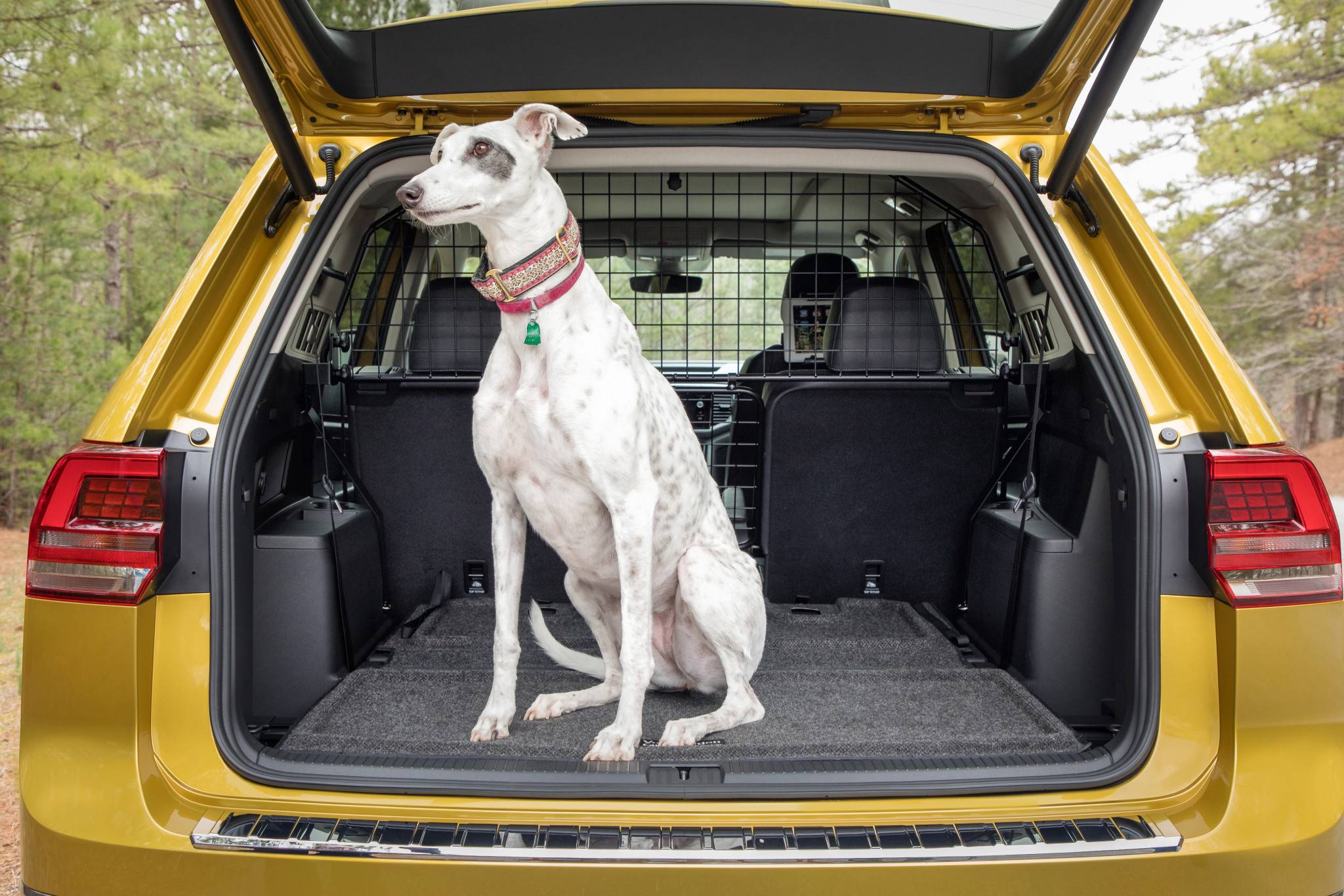
Many Spaniards prefer to travel with their pets on summer holidays, and they do it by car, but not everyone does it correctly. Here’s how.
Summer arrives and so do the holiday trips. Many of us have a pet, usually a dog or even several. And since we love travelling with them, we run into a problem. Do we leave them somewhere where they will be well looked after, or do we take them with us? A study carried out by Acierto.com indicates that we like travelling with our pet and that 9 out of 10 Spaniards prefer to travel with our pet on holiday.
85% of those who do choose the car over other means of transport, such as the plane or the train. But do we transport our beloved pets, our furry companions, well in the car? Let’s see what this study tells us, so that we know how we should transport our dogs in the car.
Mistakes when transporting pets in the car
The limitations on public transport mean that many dog owners who want to share their holiday with their dog prefer the car to these options. Planes and trains usually limit the weight of dogs in the cabin to 10 kg, so if the dogs are larger they have to travel in the hold, which can be a problem. Buses simply place the carrier in the luggage area, so it is not possible to travel with them.
But not everyone knows how to properly transport the dog in the car. In fact, according to this study, 32% of drivers let the dog loose inside the passenger compartment. 4% say they always do so, while 28% say they only do it occasionally and that on most journeys they keep them properly secured. By gender, men tend to be more likely to let them loose in the car, while women tend to keep them secured to a greater extent.
This causes a serious problem, since 1 in 4 drivers say they have been distracted by having their dog loose in the car. It is especially serious not to have the dog properly secured in the back seat or in a suitably adapted space in the boot. As with any loose object in a car or a person not wearing a seatbelt, the force is multiplied, and a dog weighing around 5 kilos, although it may seem small, can reach an impact mass of 200 kg.
Keeping your pet safe in the car
The pet must always be secured in the car. If possible, it is advisable for it to travel in a carrier suited to its size and weight. The carrier should ideally go on the floor between the two rows of seats. If that is not possible, it should go on the back seat, also anchored with the seatbelt.
Bear in mind that the dog will have to spend several hours in the car and, as with any other passenger, it must be kept hydrated and calm. You should also stop so it can walk around and stretch its legs calmly. It is important that the dog stays calm so that it travels safely and does not distract the driver.


 Kia offers an electric range of 10 models, 50 versions and 400 possible combinations
 The seven finalists for the 2027 European Car of the Year (COTY) are exclusively electric
 Peugeot E-208 GTi: a battery-powered toy that revives the spirit of the 1980s sports cars
Deja un comentario