The 10 Most Reliable Electric SUVs According to the Latest Quality Studies
 Javi Vicente @javivicente
11 May 2026
8 min.
We analyze the definitive ranking of the most reliable electric SUVs on the market, cross-referencing data from J.D. Power, Consumer Reports and ADAC with official technical specifications.
Reliability is no longer an argument exclusive to combustion engines. With the electric car market now mature, the major quality studies —J.D. Power Initial Quality Study, Consumer Reports Annual Auto Reliability Survey and the annual report of the German ADAC— make it possible to build an objective picture of which electric SUVs are ageing best. At Highmotor we have cross-referenced that data with official technical specifications to answer, using traceable criteria, the question more and more of our readers ask us: which is the most reliable electric SUV I can buy today?
Why reliability matters more than ever in electric
The electric SUV has gone from a technological curiosity to representing more than 18% of electrified registrations in Western Europe. In that context, reliability is no longer measured only in mechanical breakdowns, but in battery durability, software consistency, the integrity of the fast-charging system and perceived quality after 30,000 or 50,000 kilometres.
How quality and durability are measured today
The three reference studies tackle the problem from complementary angles. J.D. Power assesses problems reported during the first 90 days of ownership (PP100). Consumer Reports projects reliability over three years based on surveys of more than 300,000 owners. The ADAC, for its part, audits real breakdowns attended by its roadside assistance network, which offers a raw snapshot of the product’s real-world behaviour.
Highmotor’s ranking methodology
We have weighted the three studies at 35% for J.D. Power (initial quality), 35% for Consumer Reports (projected reliability) and 30% for ADAC (breakdowns in real use). To that base we have added canonical technical data —WLTP range, power, chemistry and battery capacity— and indicative prices. It should be remembered that all prices mentioned are the manufacturer’s recommended RRP, without dealer discounts, one-off campaigns or purchase incentives.
The 10 most reliable electric SUVs on the market
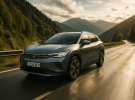
1. Volvo EC40: the Scandinavian benchmark
The successor to the C40 Recharge has become the best-rated electric SUV in the latest European quality reports. Volvo has refined the software, improved the thermal management of the 82 kWh battery and eliminated the critical points that penalised the original model. Access to Geely’s factory network, without giving up engineering control in Gothenburg, explains why the EC40 scores highly both in initial quality and in projected reliability.
The Single Extended Range version is homologated at 582 km WLTP with notably restrained consumption for its crossover silhouette. Its indicative price starts at around €50,200 in Core trim.
| Power kW | Power CV | Top speed | Range | Consumption | Label | Fuel | Score |
|---|---|---|---|---|---|---|---|
| 185 kW | 252 CV | 180 km/h | 582 km WLTP | 16.7 kWh/100 km | CERO | Electric | 9.4/10 |
2. Zeekr 7X: the Chinese premium assault with Swedish DNA
Zeekr, the premium brand of the Geely group, has surprised German analysts with a 7X that in its first quality audits matches established European benchmarks. The SEA platform, shared with the Volvo EC40, and the battery with 800 V architecture allow charging from 10 to 80% in around 16 minutes. The brand already outscores several German manufacturers in the Chinese J.D. Power studies.
| Power kW | Power CV | Top speed | Range | Consumption | Label | Fuel | Score |
|---|---|---|---|---|---|---|---|
| 475 kW | 646 CV | 210 km/h | ~615 km WLTP | ~18.5 kWh/100 km | CERO | Electric | 9.2/10 |
3. Kia EV9: the seven-seater that doesn’t fail
The EV9 was the electric SUV best rated by Consumer Reports in 2024 in its category. Its E-GMP 800 V architecture, already proven in the EV6, and a very solid interior finish make it a safe purchase for families. Its indicative price is around €73,000.
| Power kW | Power CV | Top speed | Range | Consumption | Label | Fuel | Score |
|---|---|---|---|---|---|---|---|
| 150 kW | 204 CV | 185 km/h | 563 km WLTP | ~20.2 kWh/100 km | CERO | Electric | 9.0/10 |
4. Hyundai Ioniq 5: technological maturity
The Ioniq 5 remains a reliability benchmark thanks to the 2024 update, which corrects the software warnings detected by the ADAC. Its 84 kWh battery offers 570 km WLTP and exemplary thermal behaviour.
| Power kW | Power CV | Top speed | Range | Consumption | Label | Fuel | Score |
|---|---|---|---|---|---|---|---|
| 168 kW | 228 CV | 185 km/h | 570 km WLTP | ~17.7 kWh/100 km | CERO | Electric | 8.9/10 |
5. BMW iX3: Bavarian engineering without surprises
The iX3 is one of the electrics with the lowest incident rate in the ADAC database. BMW’s conservative bet on the adapted CLAR platform has paid off in reliability what it has taken away in innovation.
| Power kW | Power CV | Top speed | Range | Consumption | Label | Fuel | Score |
|---|---|---|---|---|---|---|---|
| 210 kW | 286 CV | 180 km/h | 461 km WLTP | ~18.9 kWh/100 km | CERO | Electric | 8.8/10 |
6. Tesla Model Y: the best-seller, with nuances
It still dominates the rankings for efficiency and real-world range, but Consumer Reports penalises it for assembly quality. The drive system, by contrast, is one of the most reliable on the market.
| Power kW | Power CV | Top speed | Range | Consumption | Label | Fuel | Score |
|---|---|---|---|---|---|---|---|
| 220 kW | 299 CV | 217 km/h | 600 km WLTP | 15.7 kWh/100 km | CERO | Electric | 8.6/10 |
7. Audi Q4 e-tron: German solidity
The Q4 e-tron maintains good marks after the MEB software updates. Its 82 kWh battery and interior finish are among the best in its segment.
| Power kW | Power CV | Top speed | Range | Consumption | Label | Fuel | Score |
|---|---|---|---|---|---|---|---|
| 210 kW | 286 CV | 180 km/h | 562 km WLTP | ~17.0 kWh/100 km | CERO | Electric | 8.5/10 |
8. Mercedes EQB: the family bet
The EQB stands out as one of the compact electric SUVs with the fewest recall campaigns. It is a conservative car in performance, but its breakdown rate is among the lowest recorded by the ADAC.
| Power kW | Power CV | Top speed | Range | Consumption | Label | Fuel | Score |
|---|---|---|---|---|---|---|---|
| 140 kW | 190 CV | 160 km/h | 475 km WLTP | ~18.6 kWh/100 km | CERO | Electric | 8.4/10 |
9. BYD Atto 3: the outsider that surprises
BYD’s Blade LFP chemistry is one of the great arguments in favour of the Atto 3 in terms of durability. Its range is more modest, but the degradation curve after 100,000 km is exemplary.
| Power kW | Power CV | Top speed | Range | Consumption | Label | Fuel | Score |
|---|---|---|---|---|---|---|---|
| 150 kW | 204 CV | 160 km/h | 420 km WLTP | ~16.0 kWh/100 km | CERO | Electric | 8.2/10 |
10. Renault Scenic E-Tech: the efficient European
Renault has put its software in order and the Scenic E-Tech appears in the top positions of the electric SUV reliability ranking in the J.D. Power 2024 European study.
| Power kW | Power CV | Top speed | Range | Consumption | Label | Fuel | Score |
|---|---|---|---|---|---|---|---|
| 160 kW | 218 CV | 170 km/h | 625 km WLTP | ~16.3 kWh/100 km | CERO | Electric | 8.1/10 |
The Geely factor: why Volvo and Zeekr lead the conversation
The element that sets Volvo and Zeekr apart in this analysis is their membership of the Geely ecosystem. The SEA platform, the CATL/CALB cell chemistry and joint software development allow both the EC40 and the Zeekr 7X to share validation standards. Volvo contributes Scandinavian safety culture and acoustic refinement; Zeekr injects speed of technological iteration. The result is two products with reliability metrics that rival the German premium brands and, in some areas, surpass them.
Volvo ES90: the electric flagship
For those looking for a step up, the ES90 offers 650 km WLTP with a 92 kWh battery and 333 CV in its Single Motor Extended Range version, with an indicative price of around €72,800.
Zeekr X: the compact that redefines expectations
The Zeekr X, the smaller sibling of the 7X, is already on European roads with notable ratings from Germany’s TÜV. Its compact body and assembly quality have placed it among analysts’ recommendations for those who want to buy a reliable electric SUV without giving up cutting-edge technology.
How to choose your reliable electric SUV: technical criteria
When discriminating between the best quality electric SUVs, three parameters are worth looking at: the electrical architecture (800 V speeds up charging and reduces thermal stress), the battery chemistry (LFP for longevity, NMC for density) and the manufacturer’s OTA update record. Electric car reliability studies confirm that brands with a good software policy reduce their incidents by up to 40% compared with those that update only in the workshop.
Frequently asked questions
Which is the most reliable electric SUV of 2024?
According to the cross-reference of J.D. Power, Consumer Reports and ADAC, the Volvo EC40 leads the ranking thanks to its consistency between initial quality and projected durability, closely followed by the Zeekr 7X and the Kia EV9.
Are Chinese electric SUVs such as Zeekr or BYD reliable?
The available data indicates that they are. Zeekr, thanks to the industrial backing of Geely, and BYD, for its vertical control of the Blade battery, show breakdown rates comparable to or lower than many European manufacturers according to the latest TÜV and ADAC reports.
What warranty covers the battery in reliable 2024 electric SUVs?
Most manufacturers —Volvo, Zeekr, Kia, Hyundai, BMW— offer 8 years or 160,000 km with a 70% retention threshold. It is one of the most relevant criteria when buying a reliable electric SUV.
Do the prices shown include purchase incentives?
No. The figures mentioned correspond to the manufacturer’s recommended RRP without dealer discounts, one-off campaigns or incentives such as the MOVES plan. The final price may vary significantly.

 Peugeot E-208 GTi: a battery-powered toy that revives the spirit of the 1980s sports cars
 New Lexus ES: luxury grows and goes electric
 First contact with the Dacia Sandero Hybrid 155: power and efficiency from €19,890
Deja un comentario