The 5 Best SUVs and Compact Cars for 2026
 Carlos Romero
11 May 2026
7 min.
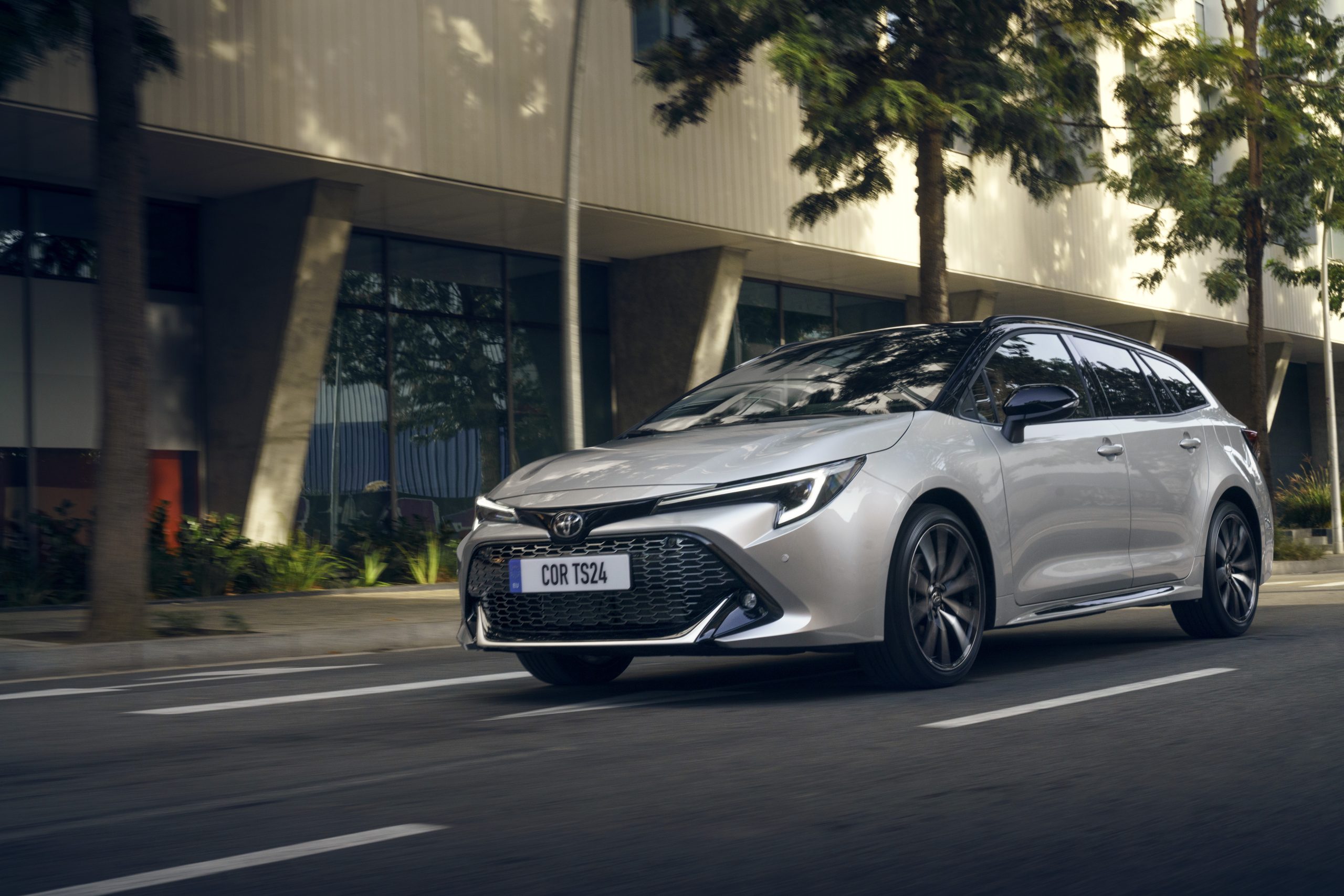
The 2026 market shows a clear convergence between versatility and efficiency in SUVs and compact cars: models that until recently were defined by a single quality now combine assistance technology, electrified platforms and practical living-space solutions. This review features representative vehicles from the urban and all-round segment that dominate the current offer, with clear differences in approach — from options focused on savings and range to configurations aimed at comfort and space — for different types of use.
Who is this ranking for?
This ranking is based on market data, official specifications and published road tests. It is intended as a reference for those who value technical and practical criteria when comparing compact SUVs and C-segment cars in 2026, without commercial bias.
If you drive a lot on the highway, if you need a practical car for the urban family or if you are looking for an efficient compact for everyday use, here you will find options with different approaches: from fuel-consumption savings and hybrid technologies to dynamic response and interior space.
What details have we analyzed?
We have considered market positioning, official technical data such as power and homologated consumption, range where applicable, dimensions and expected real-world use, and the value-for-money and technical approach of each proposal. These criteria make it easier to compare what each model offers in its niche and which type of driver suits each proposal best.
Ranking of the 5 best SUVs and compact cars for 2026
Toyota Corolla Cross (from 28,900 €*)
Indicative price without applying public aid or the brand’s commercial discounts.
Why it’s here: It offers a compact alternative with the experience of the self-charging hybrid systems of Toyota, focused on efficiency and reliability. Its approach combines the living space of a crossover with restrained consumption in its hybrid version.
Ideal for: Drivers seeking a balance between low consumption and urban family use with occasional road trips.
Pros:
- Range with self-charging hybrid variants.
- Focus on efficiency and low real-world consumption in urban use.
- Ride height and ground clearance that make visibility and getting in and out easier.
Cons:
- The setup prioritises comfort over sporty feel.
- Standard equipment can vary between versions, affecting value for money.
Volkswagen Golf (from 31,500 €*)
Indicative price without applying public aid or the brand’s commercial discounts.
Why it’s here: It represents the traditional compact with strong presence in its segment, with petrol and hybrid options and a platform aimed at balancing dynamism and comfort. Its positioning remains a benchmark in terms of ergonomics and ride quality.
Ideal for: Those who prioritise balanced dynamic behaviour and a well-resolved interior in town and on the motorway.
Pros:
- Construction and fit geared towards ride quality.
- Wide range of engines, including electrified options.
- Interior with ergonomics and advanced assistance systems as standard in several versions.
Cons:
- Entry price can place it above cheaper alternatives.
- Some well-equipped options significantly raise the final cost.
Hyundai Kona (from 23,900 €*)
Indicative price without applying public aid or the brand’s commercial discounts.
Why it’s here: Compact crossover that combines restrained dimensions with efficient variants; its offer includes combustion and electrified engines, and it seeks a balance between agile urban handling and practical everyday solutions.
Ideal for: Urban users who require manoeuvrability, running economy and varied engine options.
Pros:
- Small exterior dimensions that make parking easier.
- Electrified options in the range for different range needs.
- Competitive price-to-version ratio in its segment.
Cons:
- Rear space somewhat limited compared with some rivals.
- Small boot capacity in the variants focused on interior comfort.
Peugeot 308 (from 27,900 €*)
Indicative price without applying public aid or the brand’s commercial discounts.
Why it’s here: The 308 combines a compact design with technological solutions and efficient engines; its chassis and attention to comfort place the model among the modern alternatives in the compact segment.
Ideal for: Drivers seeking a compact with a modern image, good dynamics and technology equipment.
Pros:
- Interior and exterior design updated to the brand’s design language.
- Efficient options and advanced assistance technology.
- Good balance between comfort and road behaviour.
Cons:
- Price in well-equipped versions can rise above direct alternatives.
- Rear legroom may feel tight for taller passengers.
Nissan Qashqai (from 32,500 €*)
Indicative price without applying public aid or the brand’s commercial discounts.
Why it’s here: Historically one of the benchmarks among European compact SUVs, it keeps options that prioritise comfort and equipment for families, with a focus on practicality and on-board technology.
Ideal for: Small families who need a compact SUV with a good boot and a practical focus for daily use.
Pros:
- Rear seat and boot geared towards family use.
- Safety equipment and assistance systems at mid and high trim levels.
- Ride comfort geared towards long journeys.
Cons:
- The engine range may seem conservative compared with more modern alternatives.
- Price of some versions places the model at the top of the segment.
The prices shown in this ranking are indicative, without applying public aid or the brand’s commercial discounts.
The 5 questions everyone asks
What is the main difference between a compact SUV and a traditional compact car?
A compact SUV offers greater driving height and, generally, more usable cargo space and rear seats suited to families, while a traditional compact usually prioritises driving feel, efficiency and lower consumption in equivalent versions.
Is it advisable to choose a hybrid version in this segment?
Hybrid versions are advisable if you want to reduce consumption in town and do not want to depend on external charging; their real advantage is seen in urban use and mixed routes with frequent starts and stops.
What should I look at first when comparing entry prices?
Check the standard equipment, the engine included in the base price and the homologated consumption; the final cost depends greatly on the options and the technology package you actually need.
Is boot capacity important in a compact SUV?
Yes, because practicality is one of the segment’s core values: boot volume and interior modularity condition its use for families and trips, more than the engine’s nominal power.
How does a model’s popularity influence the purchase decision?
Models in high demand tend to hold their residual value better and are easier to resell; popularity also indicates a more accessible maintenance network and spare-parts supply.
Expert Conclusion
This ranking sums up in 2026 the plurality of the segment: there are compact cars that opt for efficiency and running economy, and compact SUVs that prioritise space and comfort. For the buyer, this means you can find very differentiated solutions within the same size and segment, so the choice should be based on real usage priorities and total cost of ownership.
If you want to make your money go further, first look at the real entry price and what comes as standard. If a model is in high demand, it is usually also easier to sell later. And if you cover a lot of kilometres, energy cost and efficiency matter more than the power figure. If you won’t charge often, don’t buy from the catalogue: buy for your routine. These guidelines apply to the listed models: for savings and city driving consider the Corolla Cross or the Kona; if you value feel and ergonomics, the Golf and the 308 are balanced options; for family use and boot space, the Qashqai keeps its practical argument.


 Peugeot E-208 GTi: a battery-powered toy that revives the spirit of the 1980s sports cars
 New Lexus ES: luxury grows and goes electric
 First contact with the Dacia Sandero Hybrid 155: power and efficiency from €19,890
Deja un comentario